
K2 and The Baltoro Mustagh Karakoram
Photographs of K2 and The Baltoro Mustagh Karakoram Himalaya
The Karakoram Himalaya contains the greatest concentration of the very highest mountains in the world and the longest glaciers outside of the polar regions. The Baltoro Mustagh is a section of this mountain range located in Baltistan, a northern political entity of Pakistan bordering Xinjiang Province in south-western China. The crest of the mountain range forms part of the Pakistan-China border and many of the summits of its highest peaks stand on the border itself.
The area includes four summits over 8000 metres, the most notable of which is K2; rising to 8611m (28,251 ft), it is the second highest mountain in the world. The other three 8000 metre peaks are Gasherbrum 1, 8080m (26,509 ft), Broad Peak, 8051m (26,414 ft), and Gasherbrum 2, 8034m (26,362 ft).
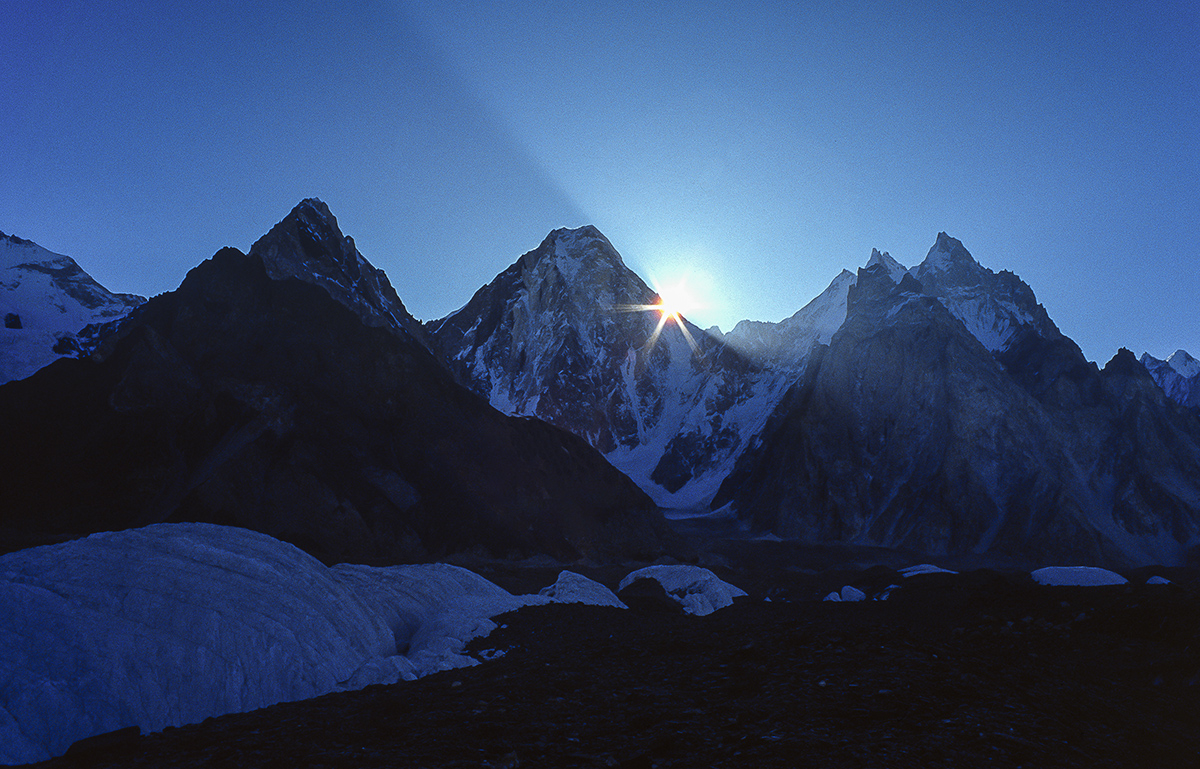
The Baltoro Mustagh is bounded on the south by the Baltoro Glacier which gives rise to the Shigar River, a tributary of the Indus River. The Baltoro Glacier is 63km long and fed by a number of tributary glaciers. These include the Godwin Austen Glacier flowing south from K2, the Abruzzi and the various Gasherbrum Glaciers flowing from the Gasherbrum group of peaks, the Vigne Glacier flowing from Chogolisa, and the Yermandendu Glacier flowing from Masherbrum. The confluence of the main Baltoro Glacier with the Godwin Austen Glacier is known as Concordia and is a superb viewpoint for the major peaks in the area.
The trough of the Baltoro glacier is very wide and the side walls are steep; the many side valley glaciers form icefalls where they meet the main glacier. Overlooking the northern boundary of the Baltoro Glacier are numerous spectacular rock towers and fine cliffs offering some of the most challenging rock climbing to be found anywhere in the world. The most notable of these are Trango Towers, Mustagh Tower, Cathedral Peak, Uli Biaho Peak and Paiju Peak.
The gateway to the Baltoro Glacier and its surrounding peaks leads from the town of Skardu through the Shigar Valley and Braldu Gorge. The valley stretches about 170 km from Skardu to Askole, the last permanent settlement but still far from the high mountains themselves. This route was difficult and dangerous due to frequent rockfall from the unstable valley sidewalls; river crossings were also only possible using rudimentary cable and box bridges. However the dirt road from Skardu was extended as far as Askole in 1988 and substantial and permanent bridges were installed along its route.

K2 and The Angelus from Concordia
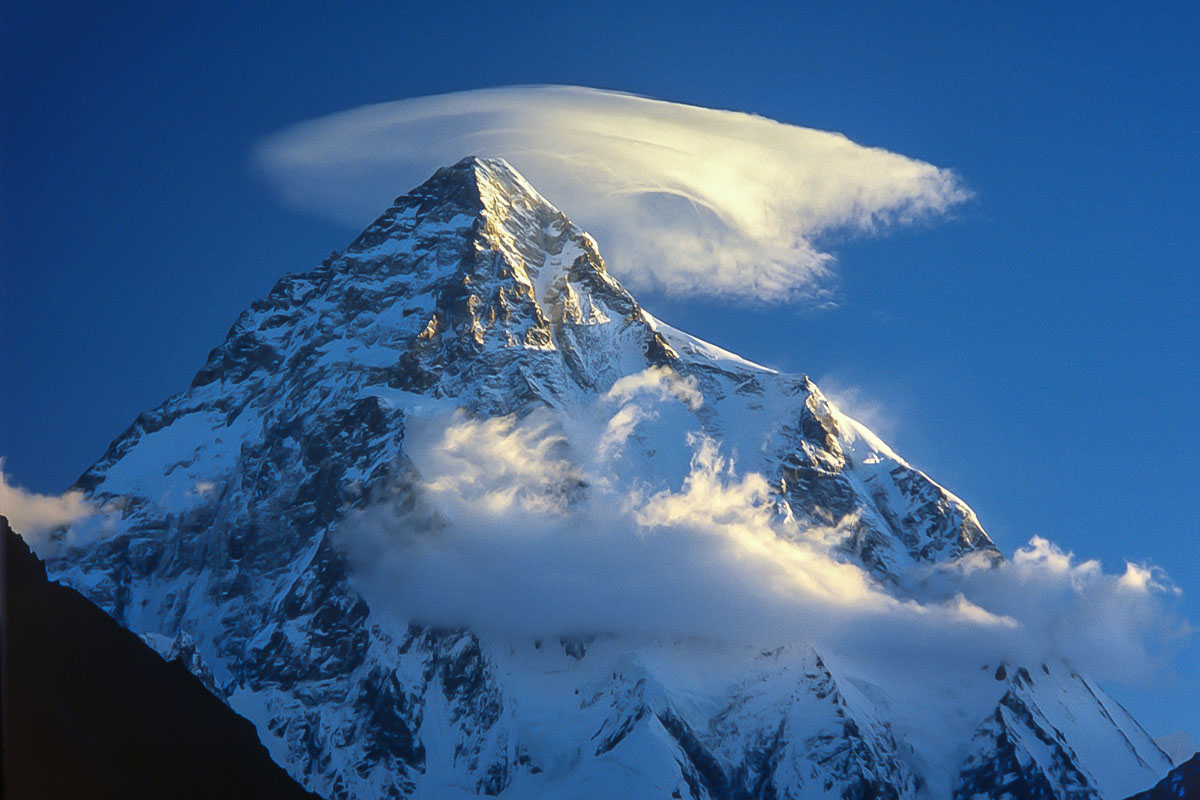
Cloud on K2
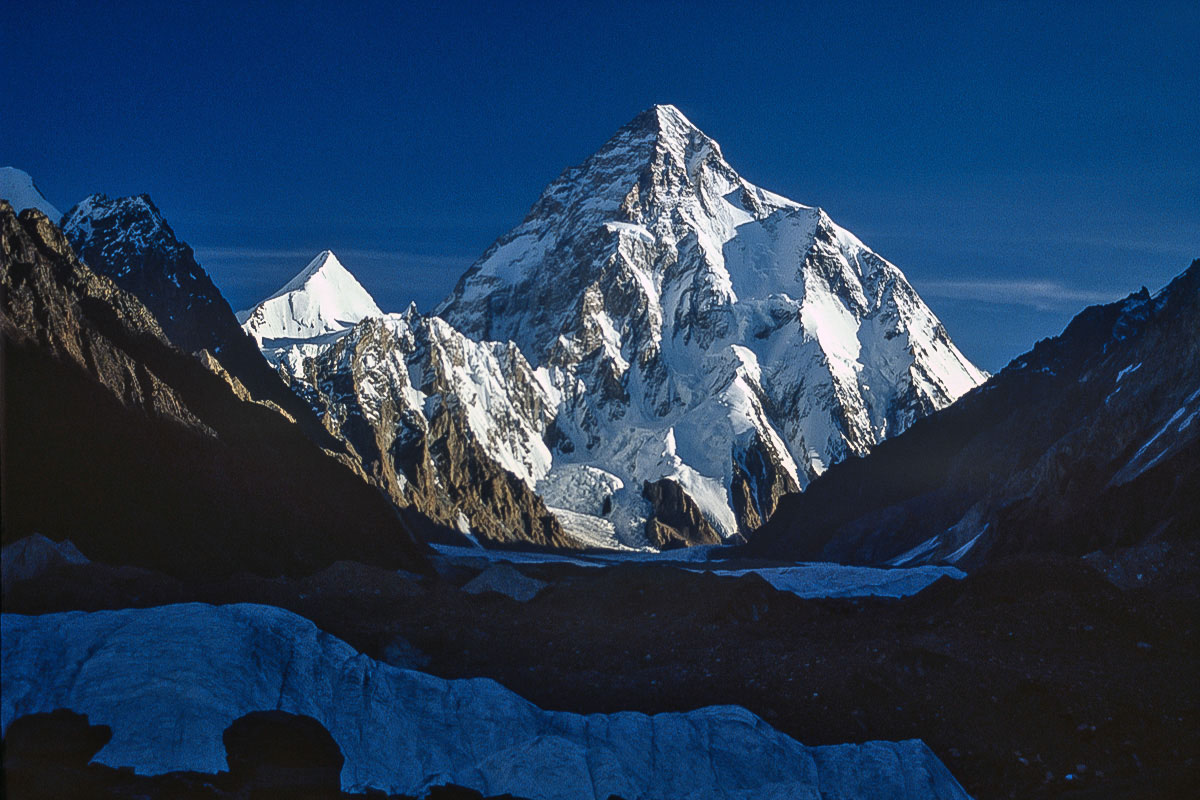
First Light on K2
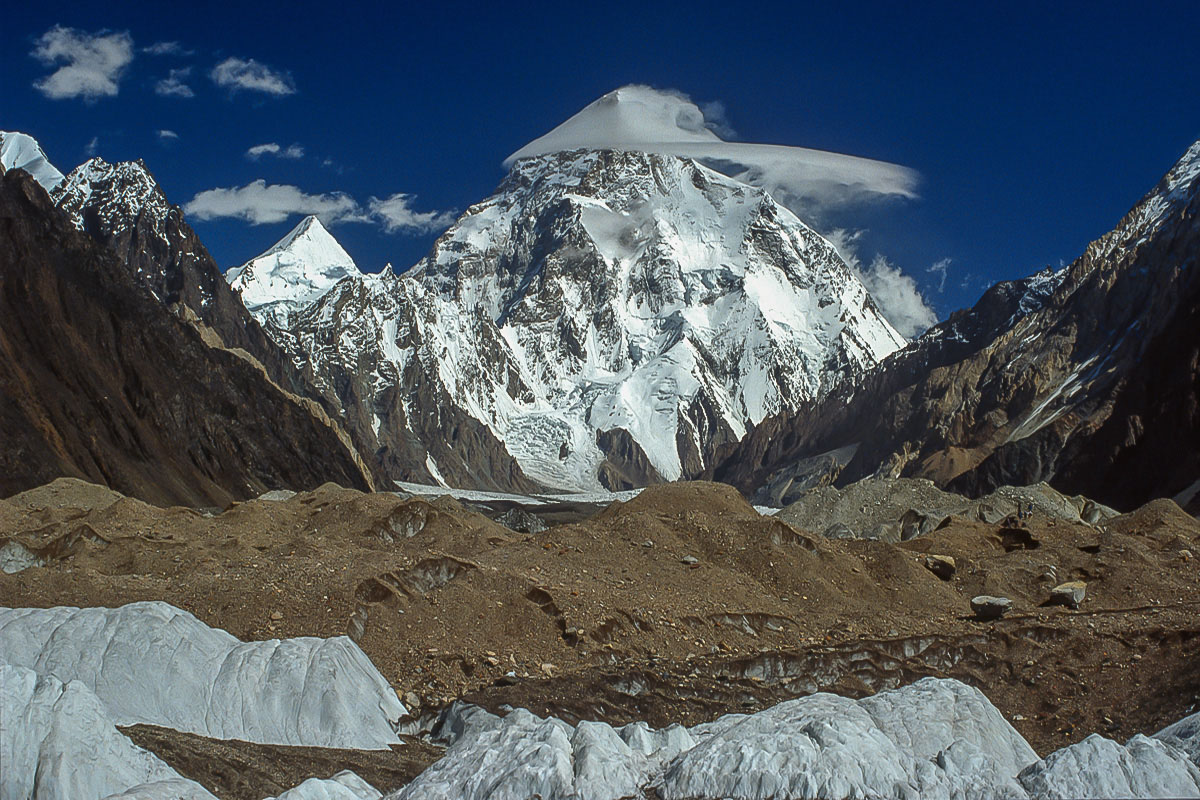
K2 and Lenticular Cloud
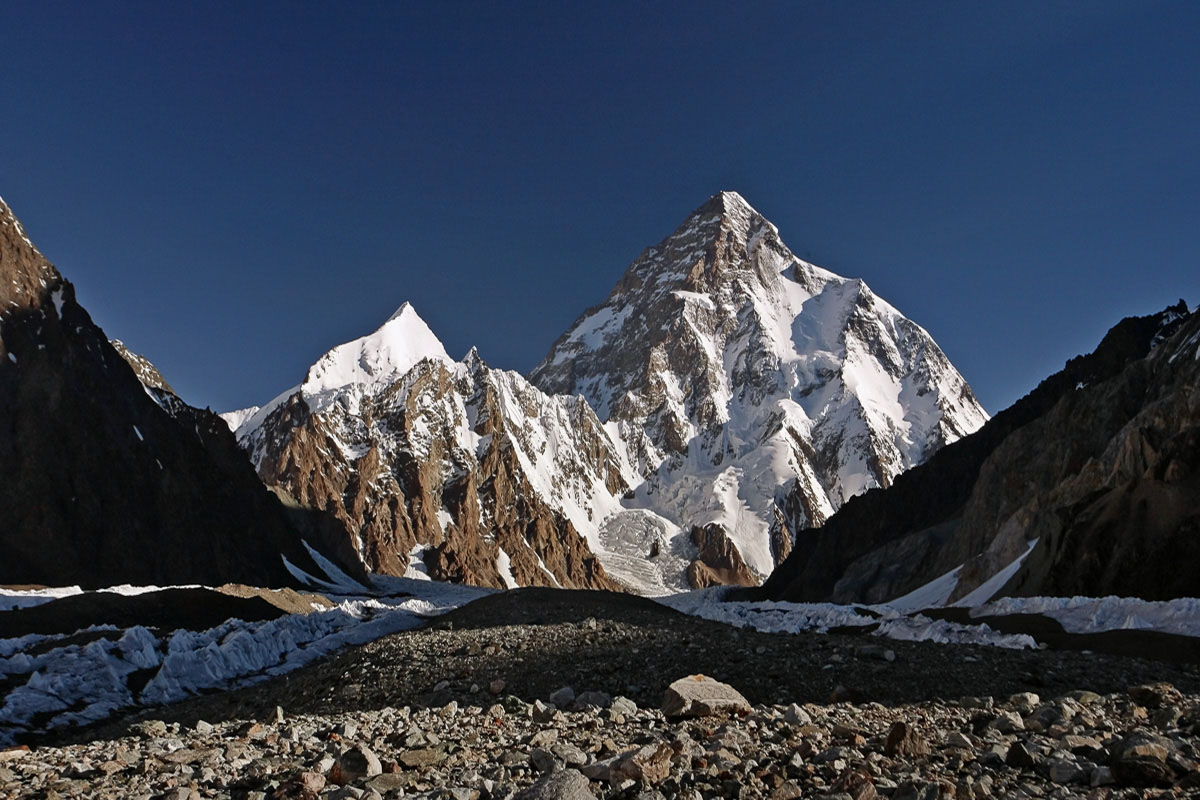
K2 from Concordia

Broad Peak from Concordia Camp
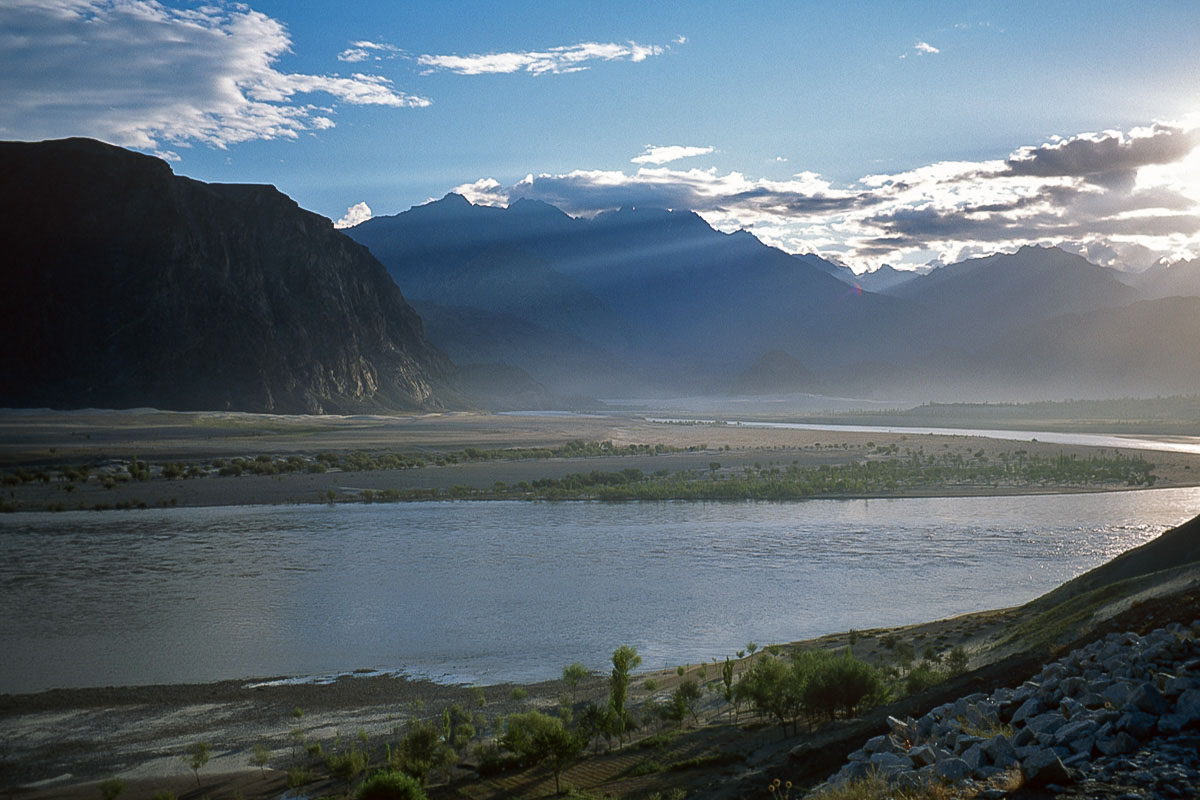
Skardu Valley Dawn

Skardu Rock
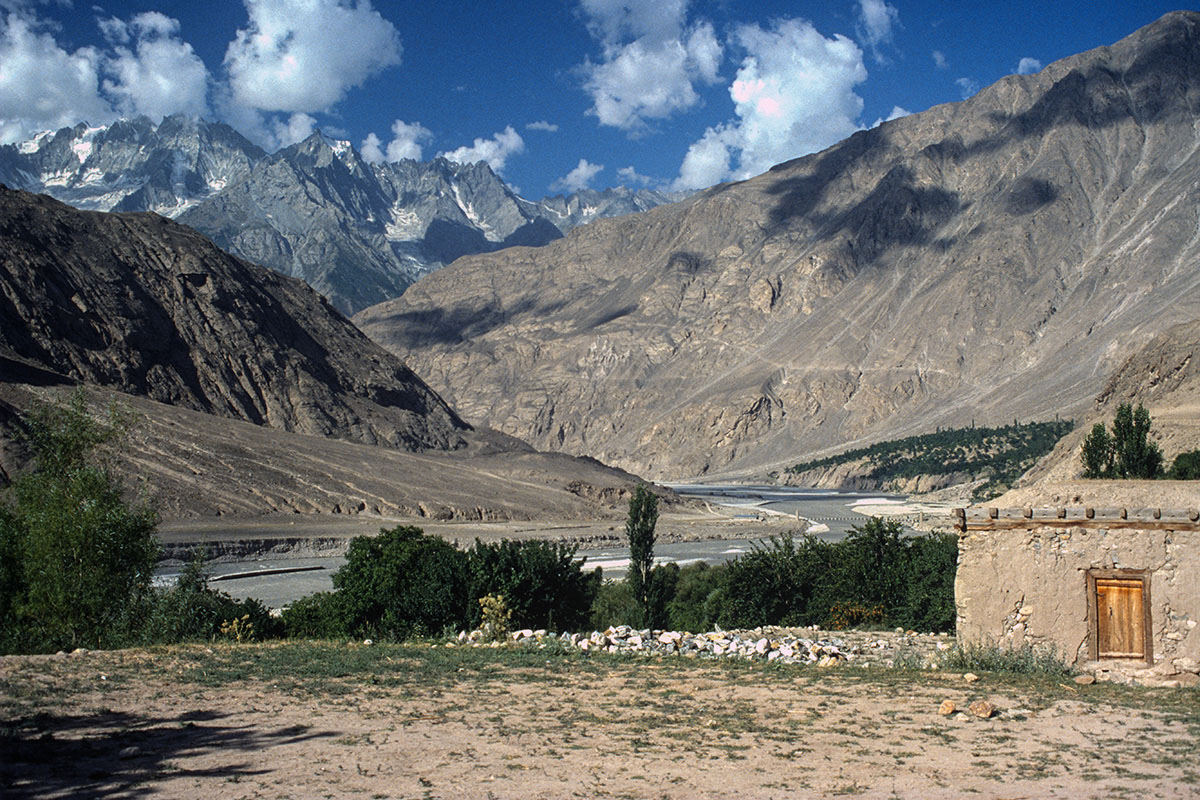
Dasso Village in the Braldu Valley
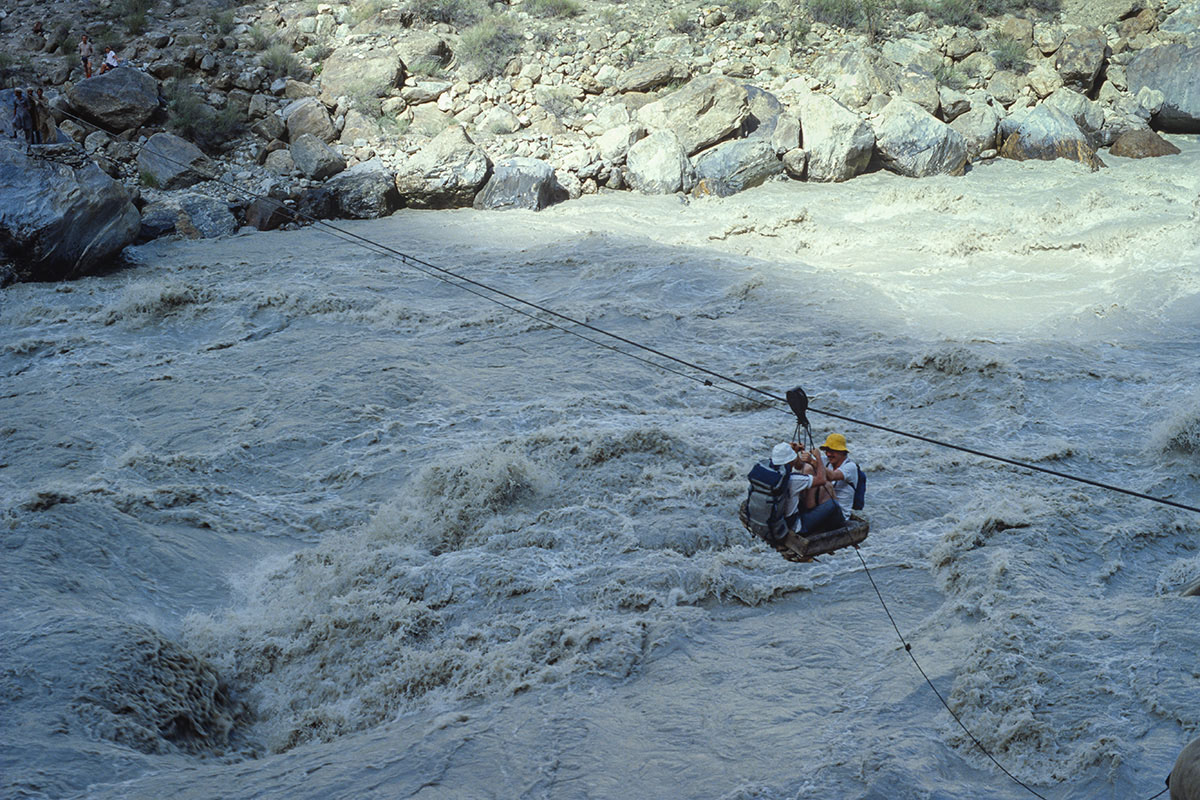
Cable and Box Bridge over Braldu River
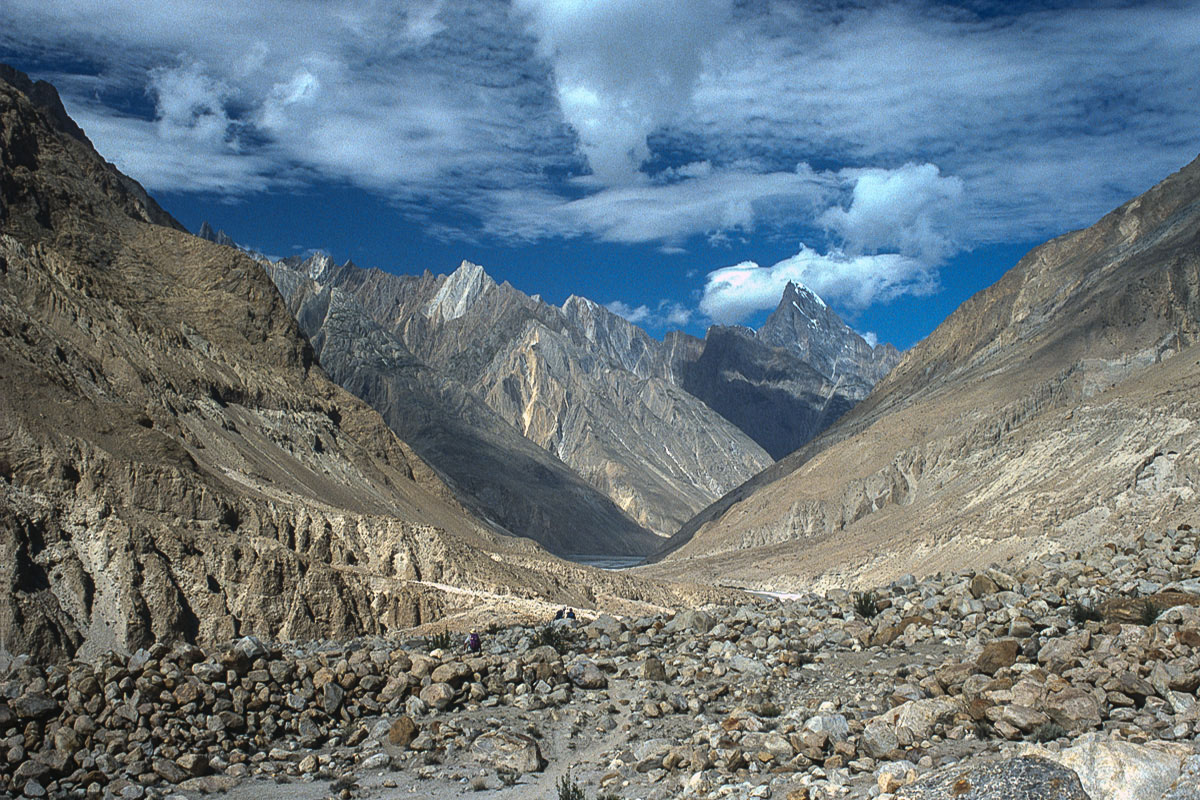
The Braldu Valley
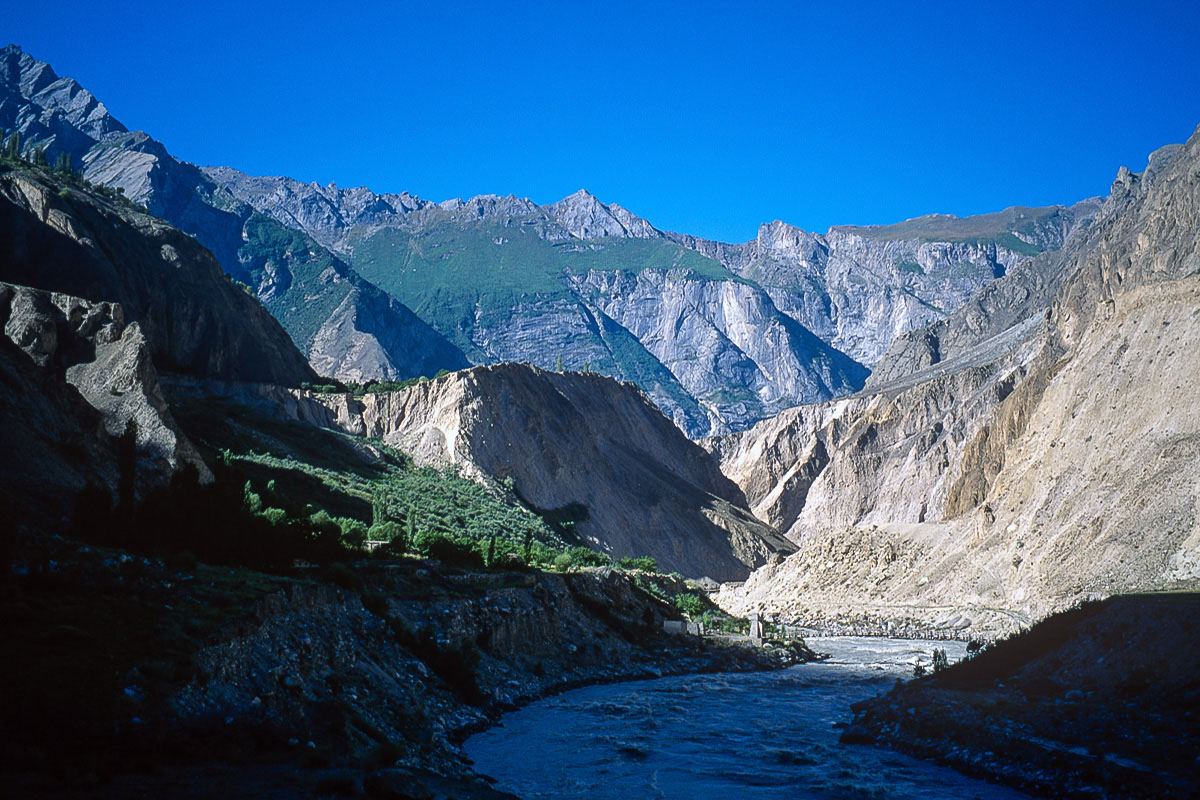
The Braldu Valley
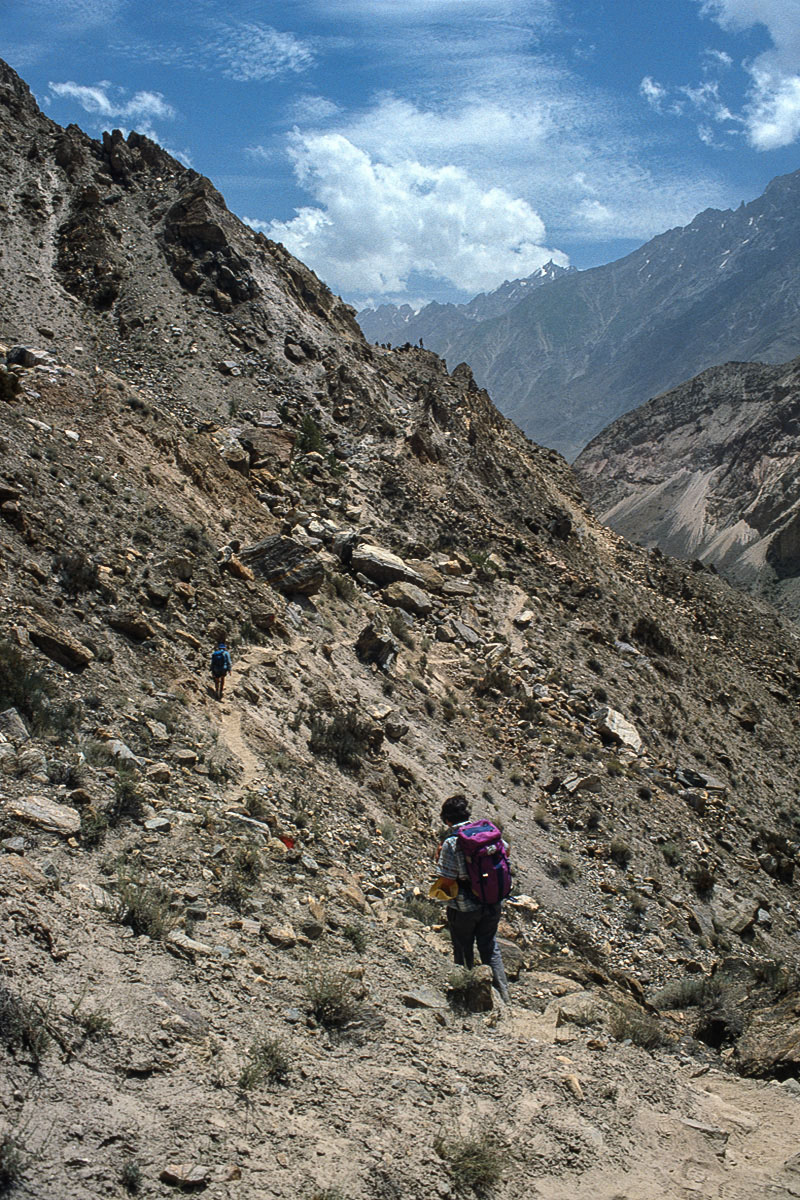
The Braldu Gorge
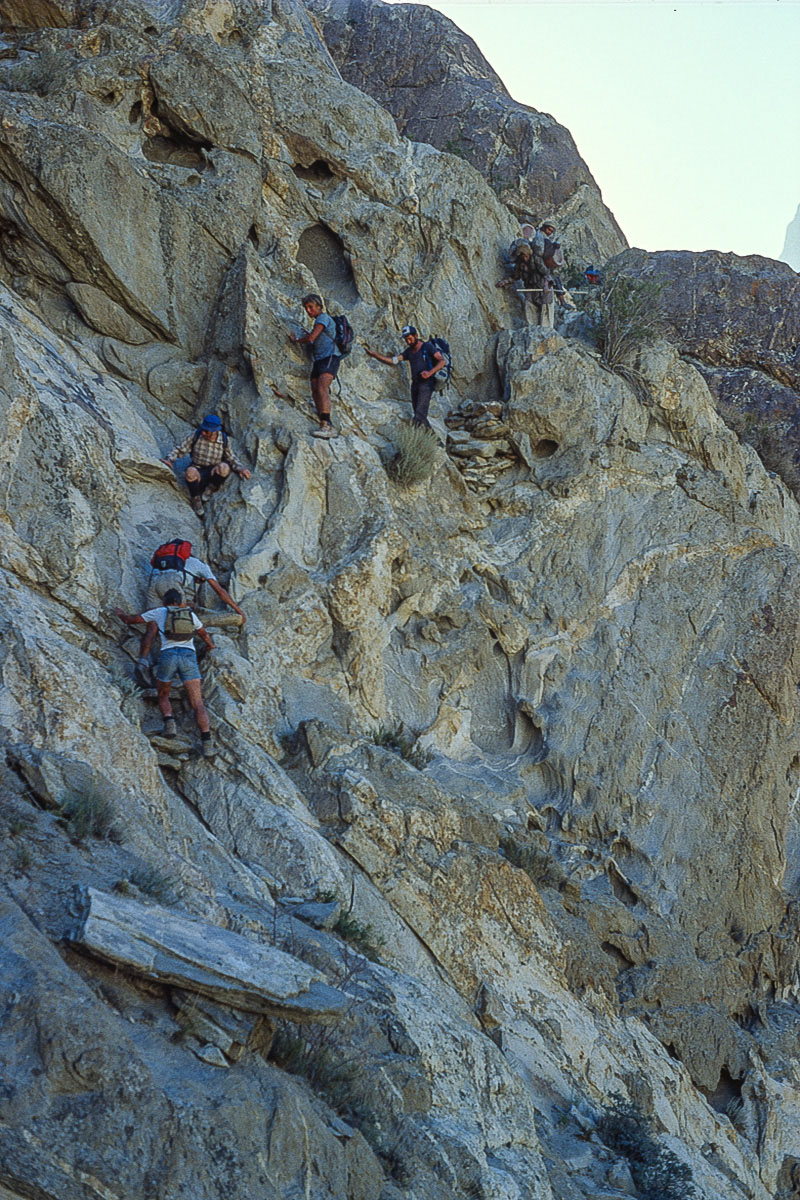
The Braldu Gorge
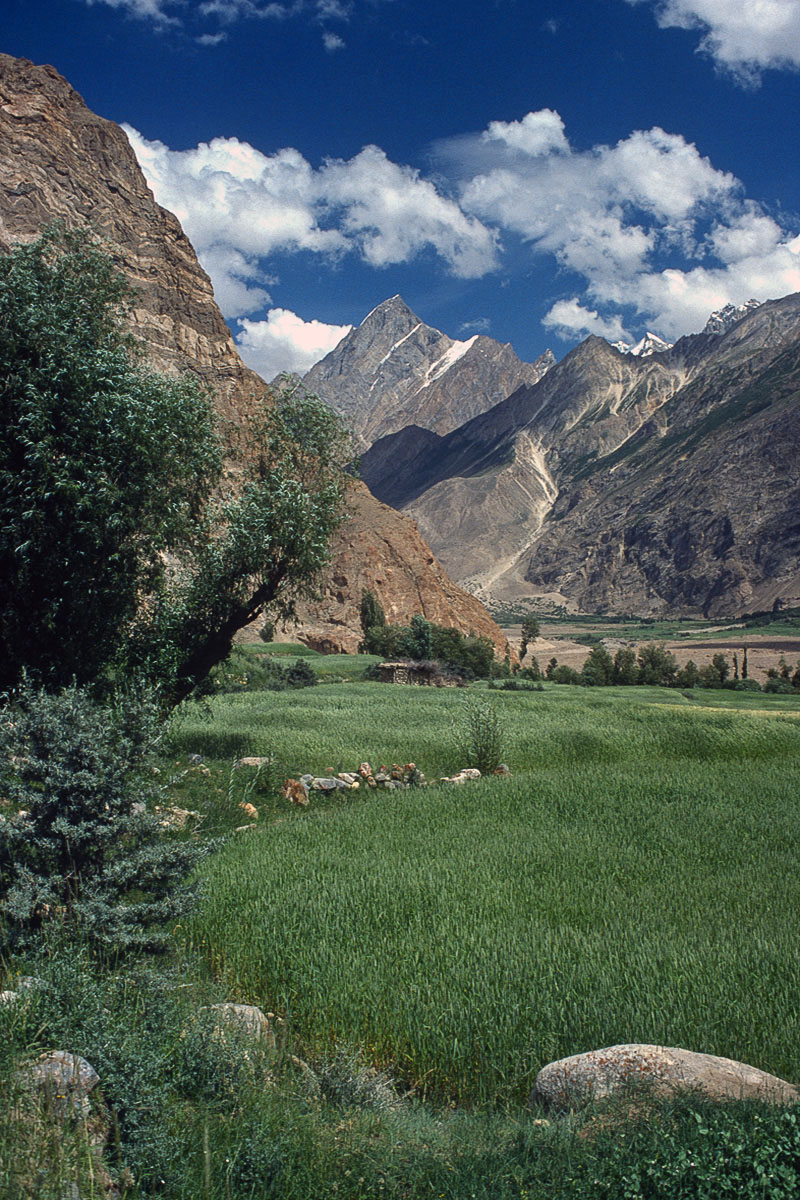
Fields at Askole Village
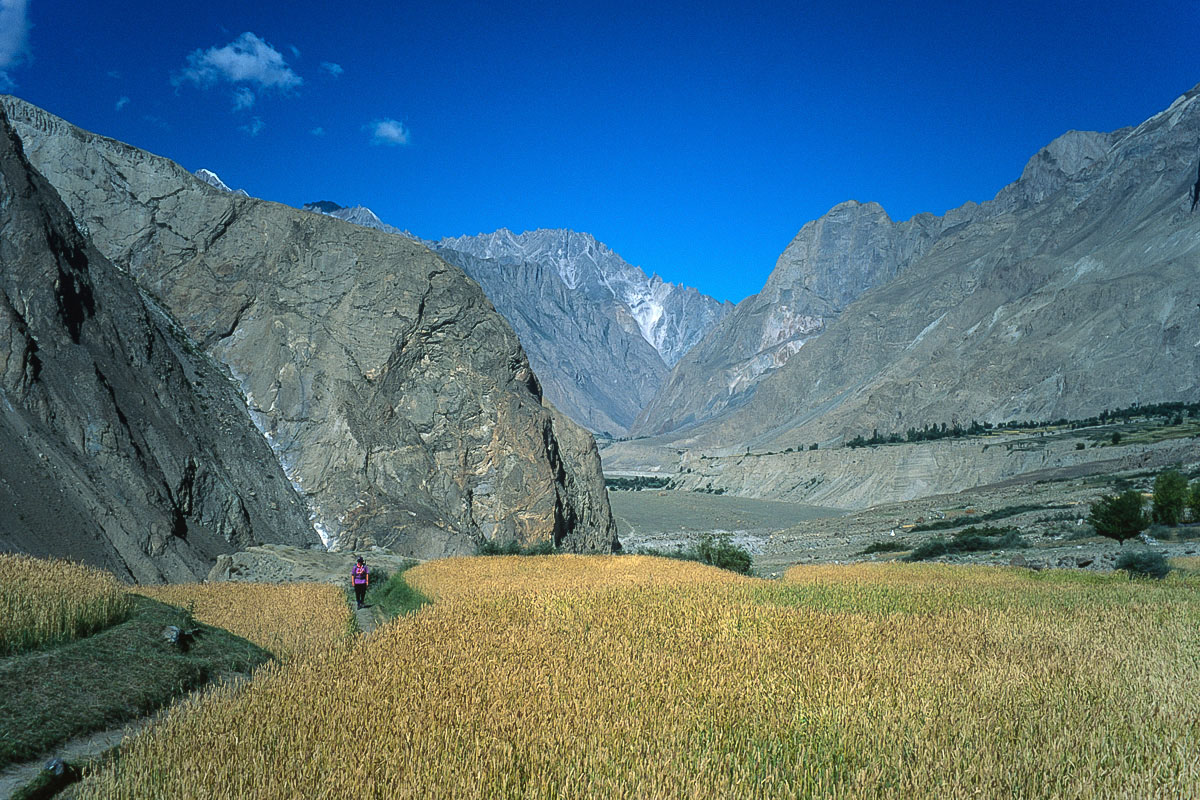
Fields at Askole
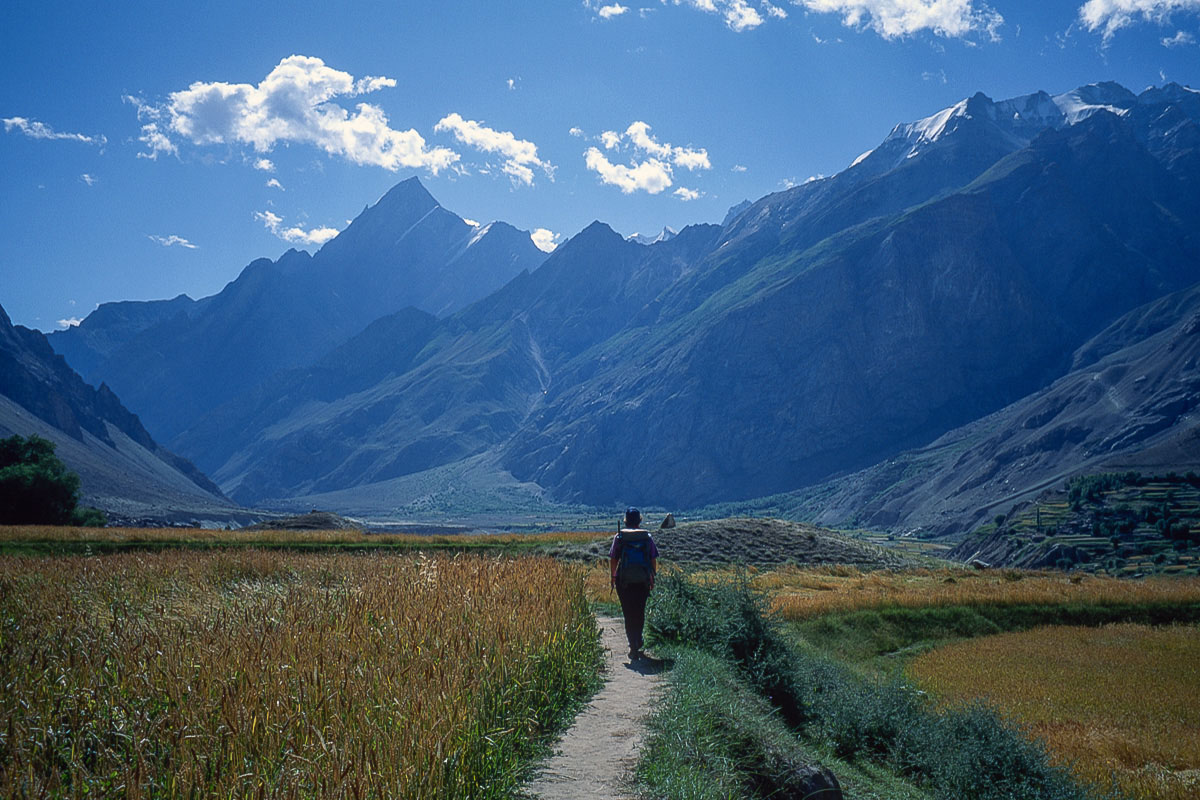
Fields at Askole
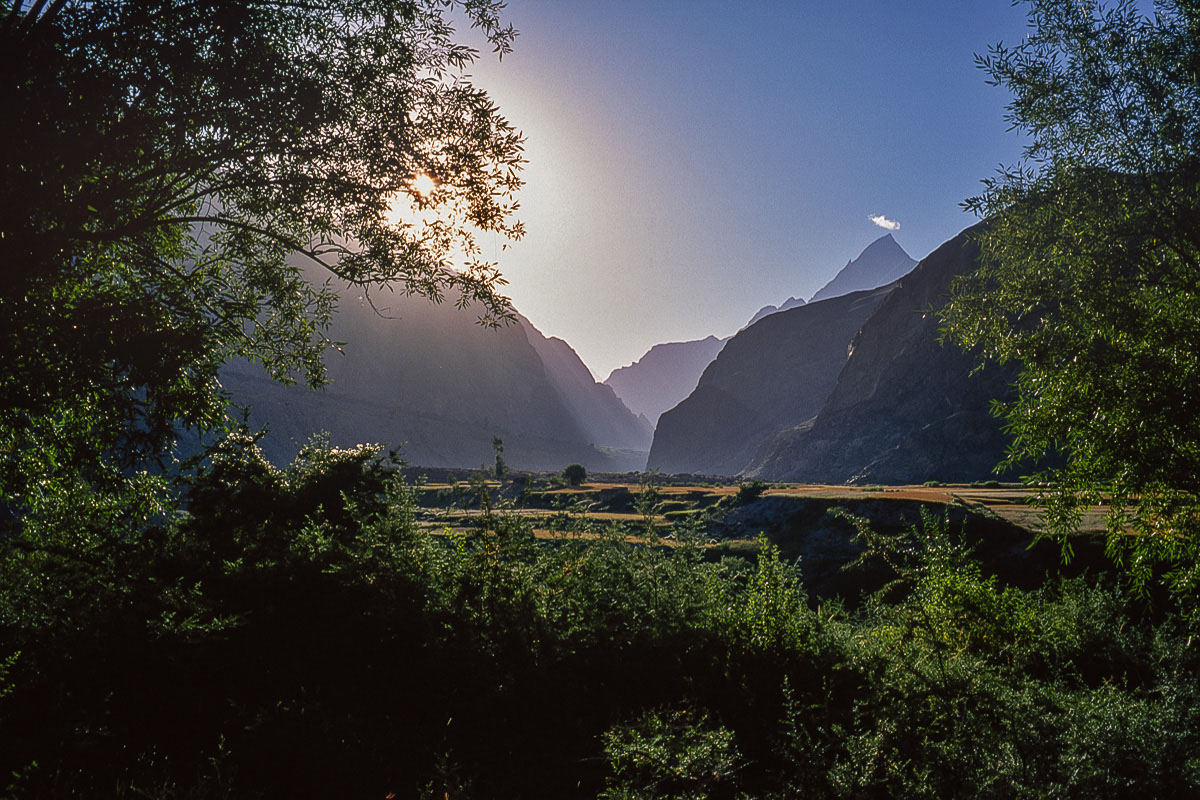
Dawn at Askole
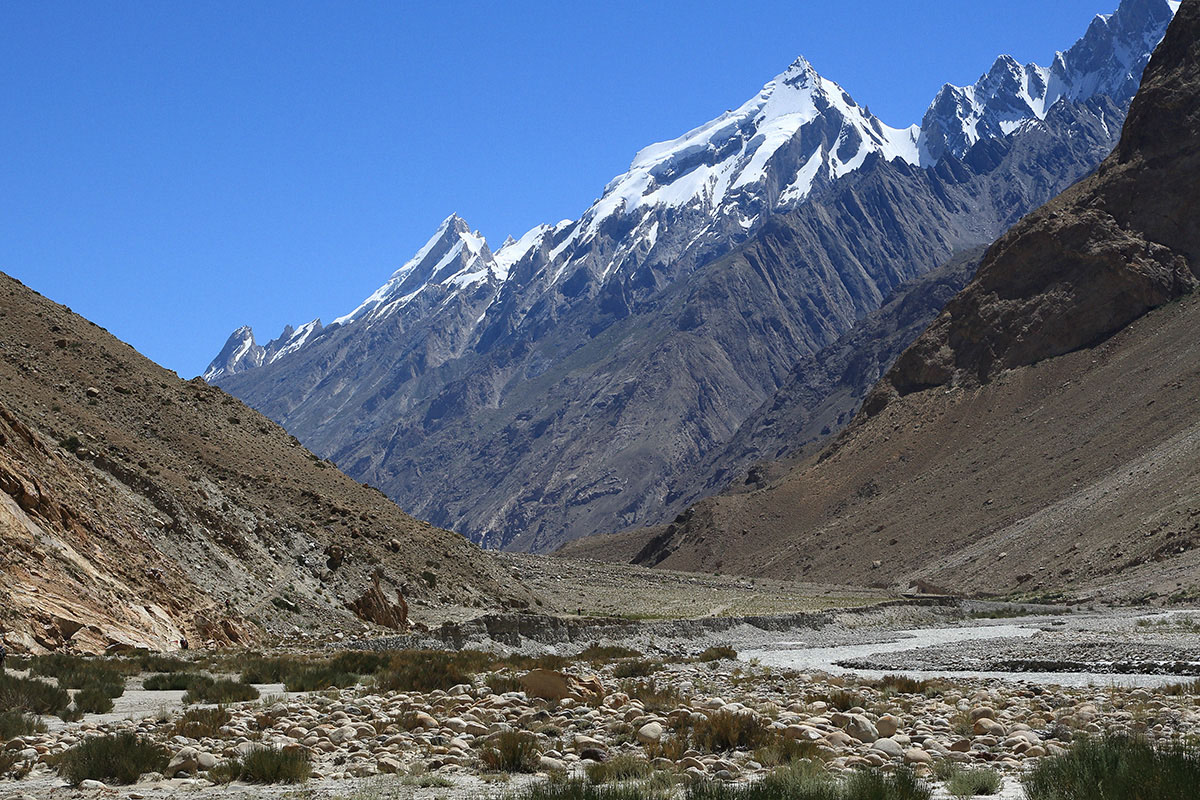
Braldumal
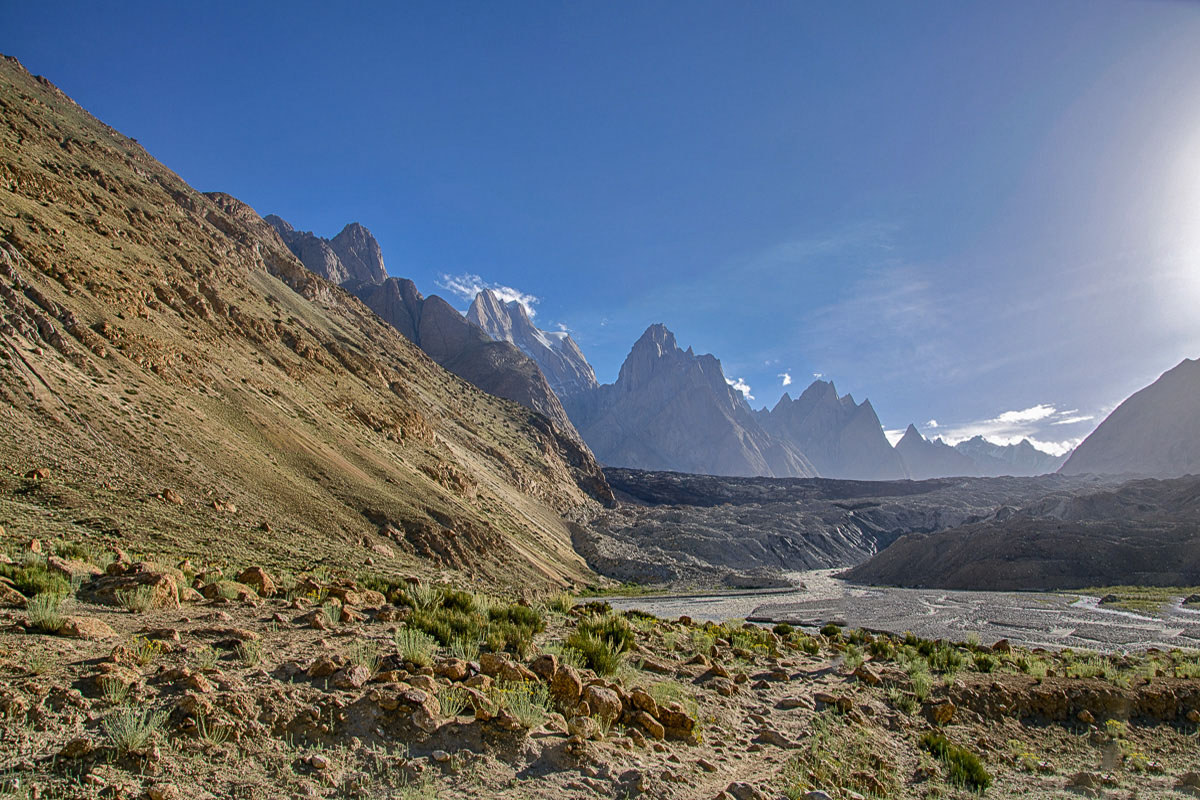
Approaching the Baltoro Glacier beyond Paiju
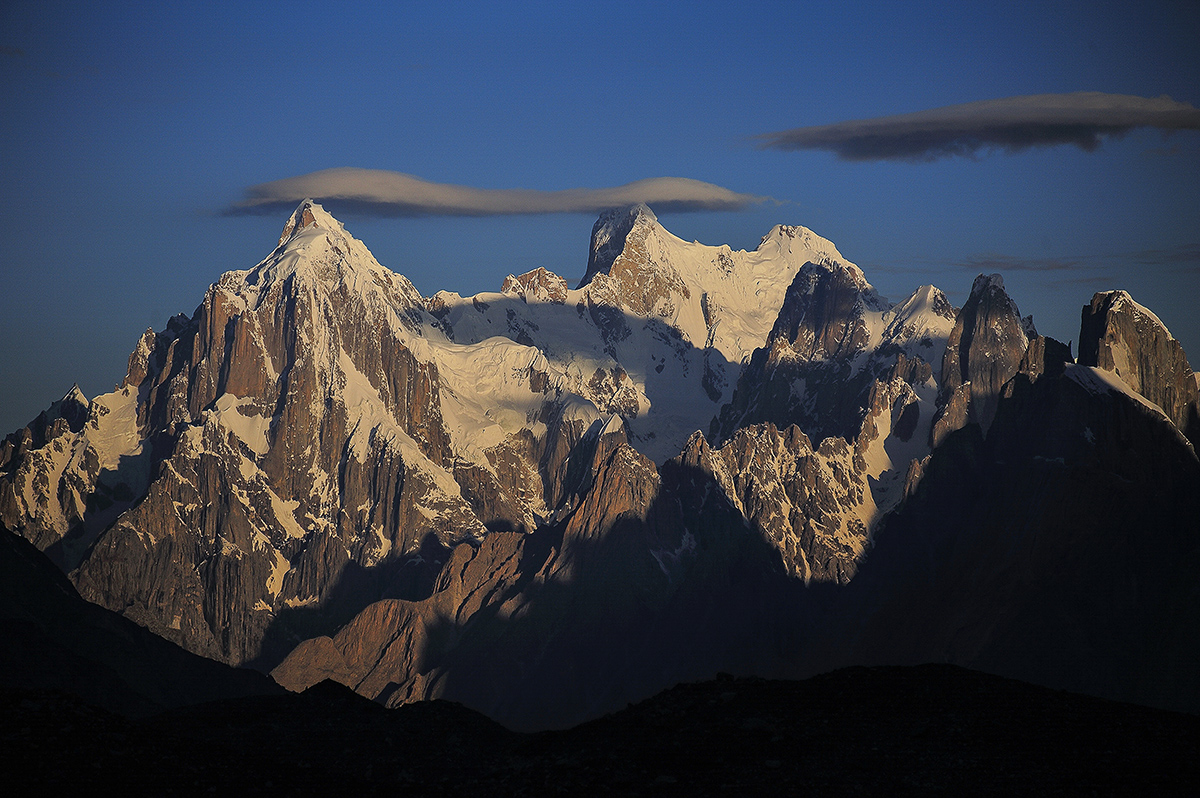
Sunrise on Paiju Peak
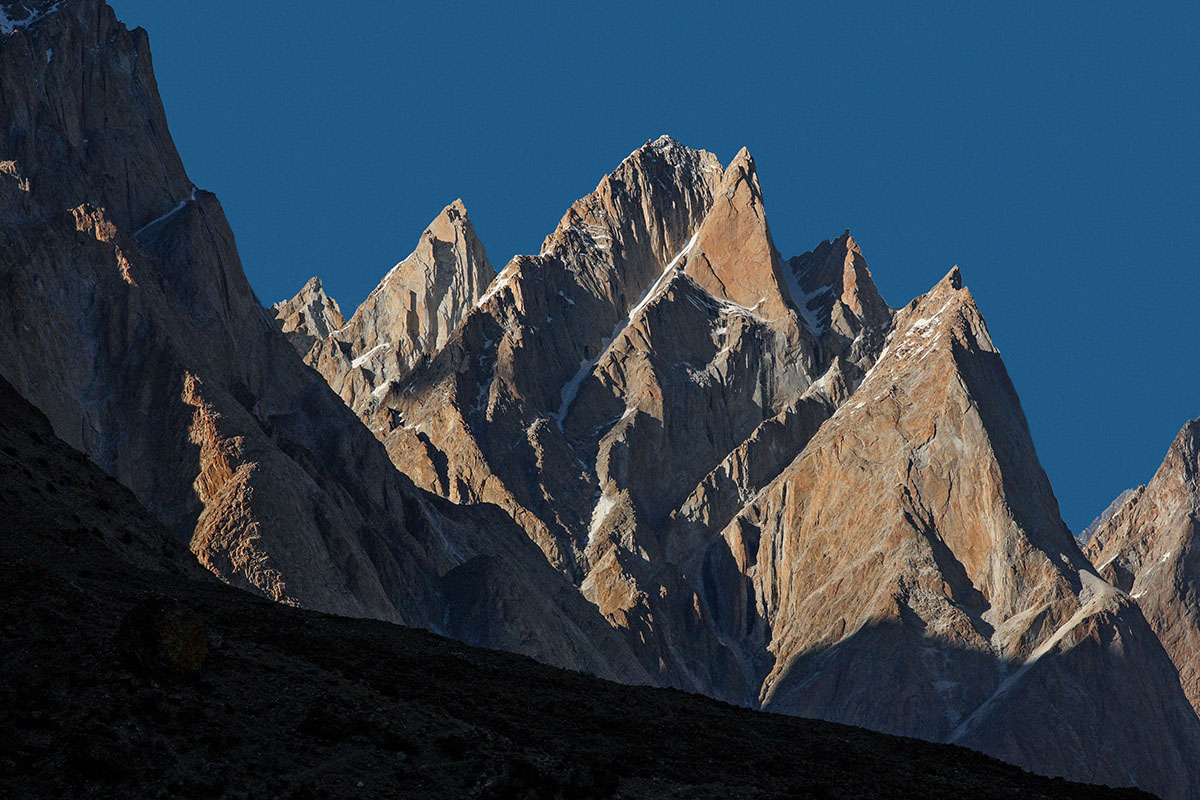
Cathedral Peak
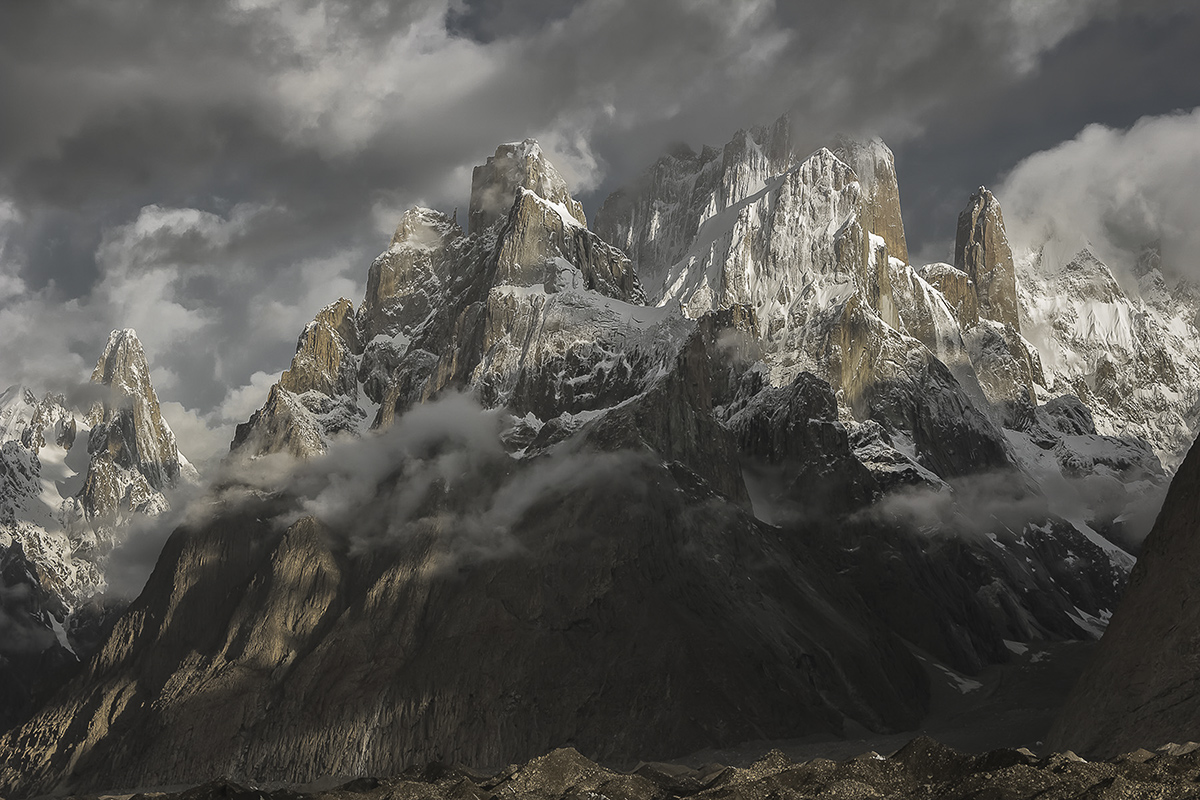
Trango Towers
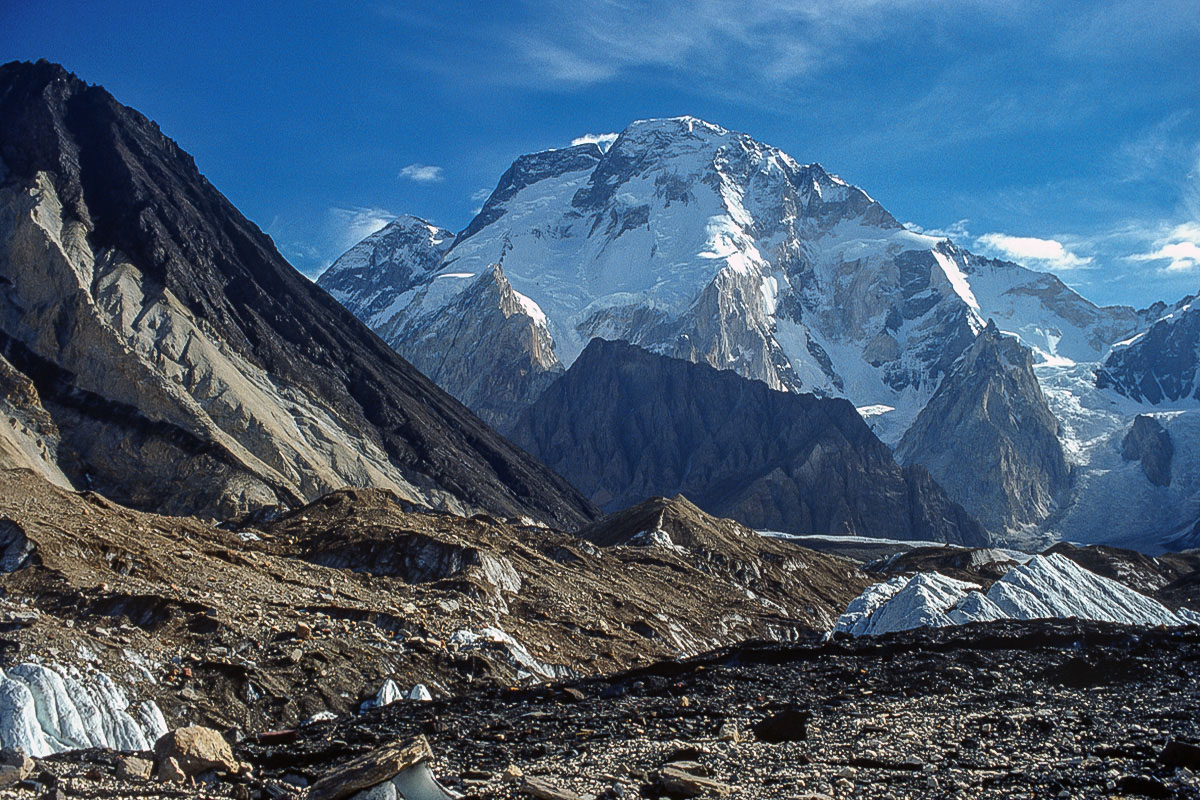
Broad Peak from the Baltoro Glacier
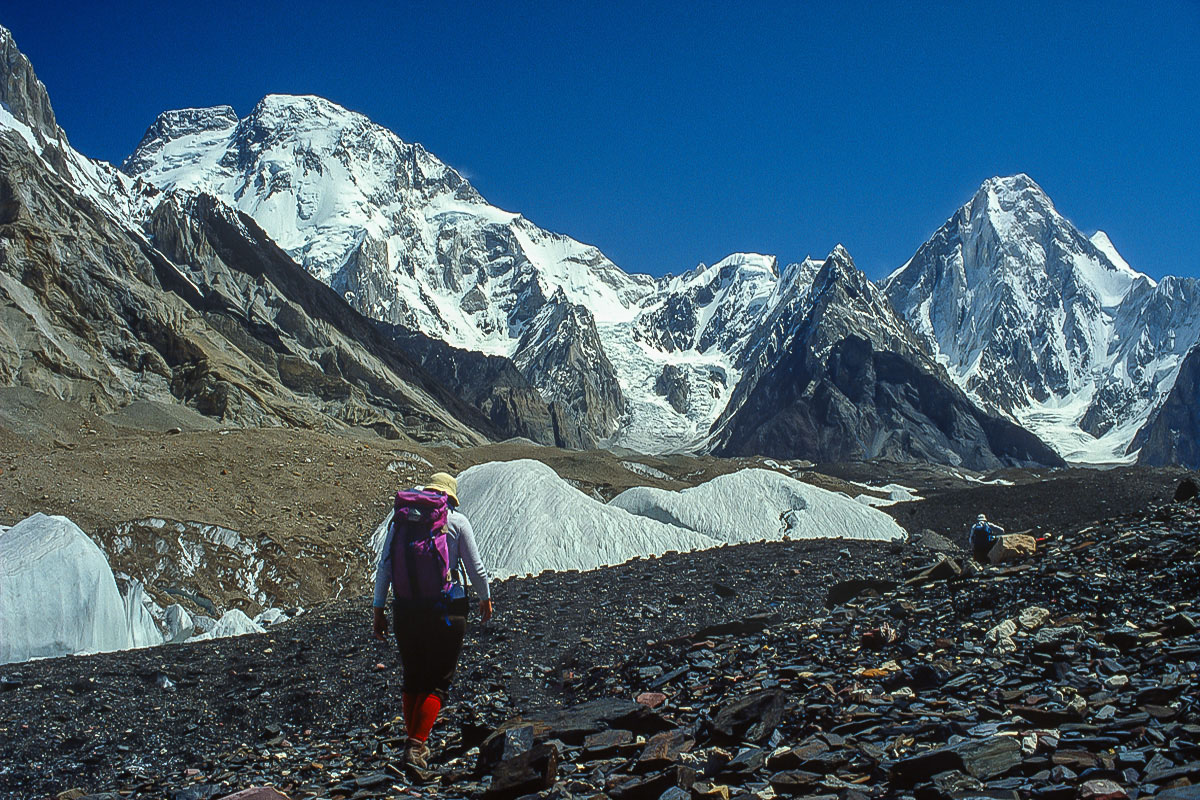
Broad Peak and Gasherbrum 4 from the Baltoro Glacier
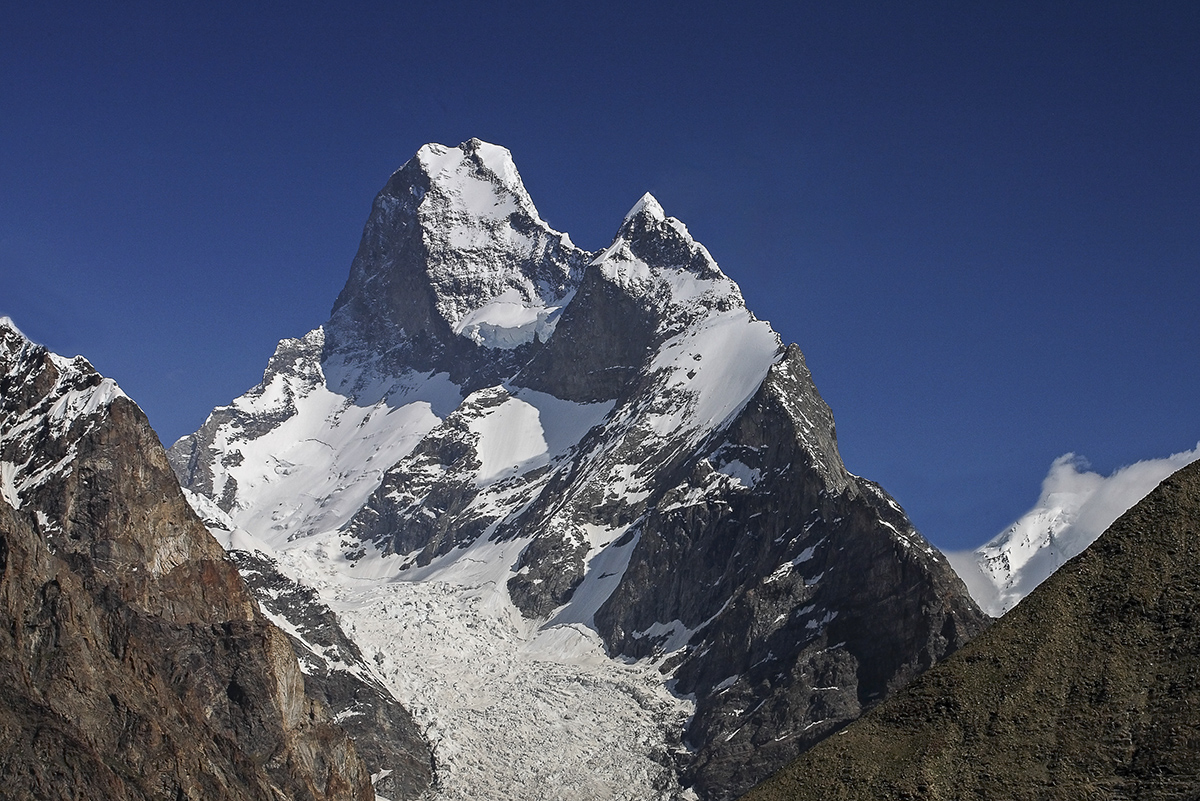
Mustagh Tower from Goro
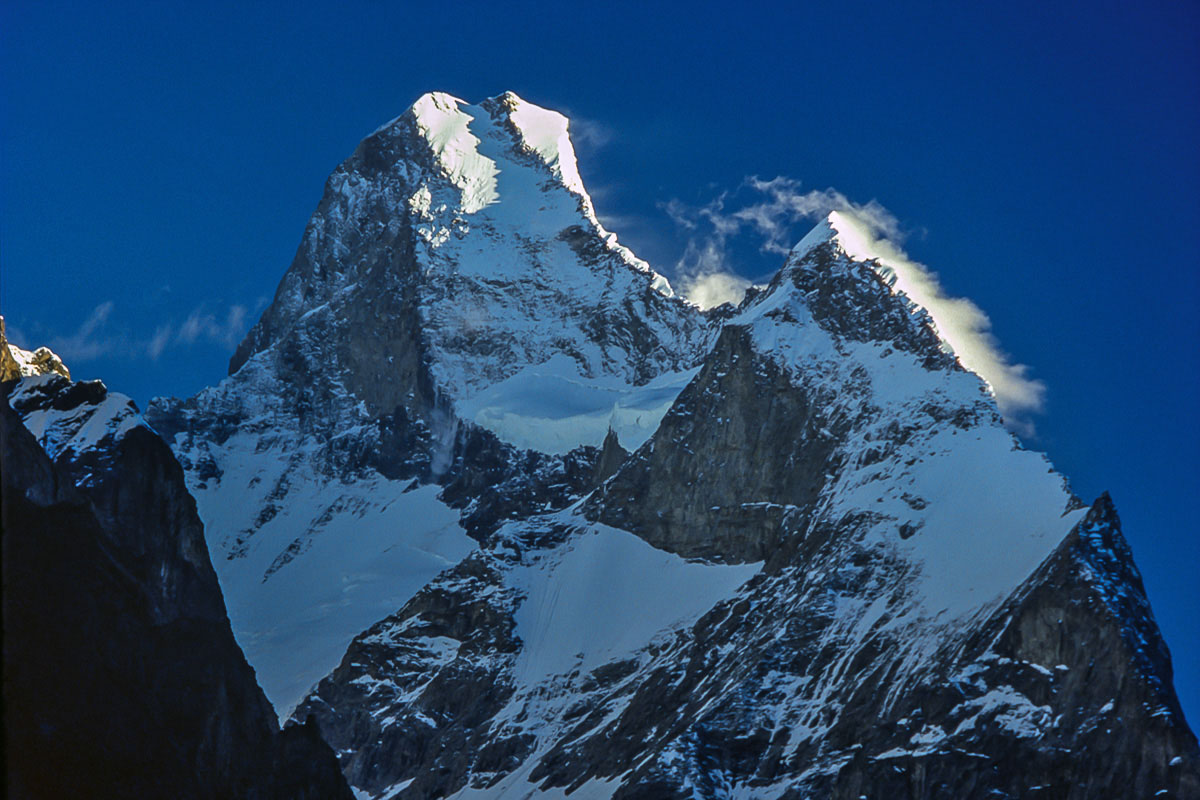
Mustagh Tower from Goro
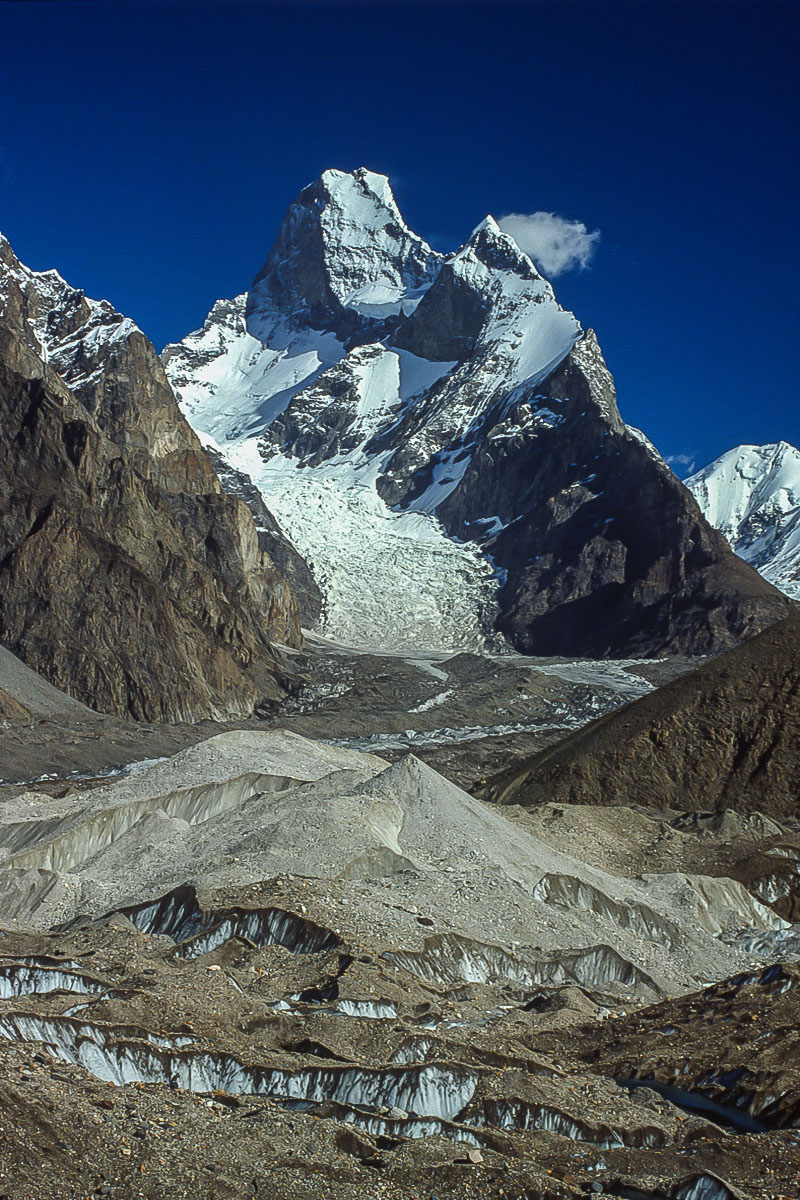
Mustagh Tower from Goro
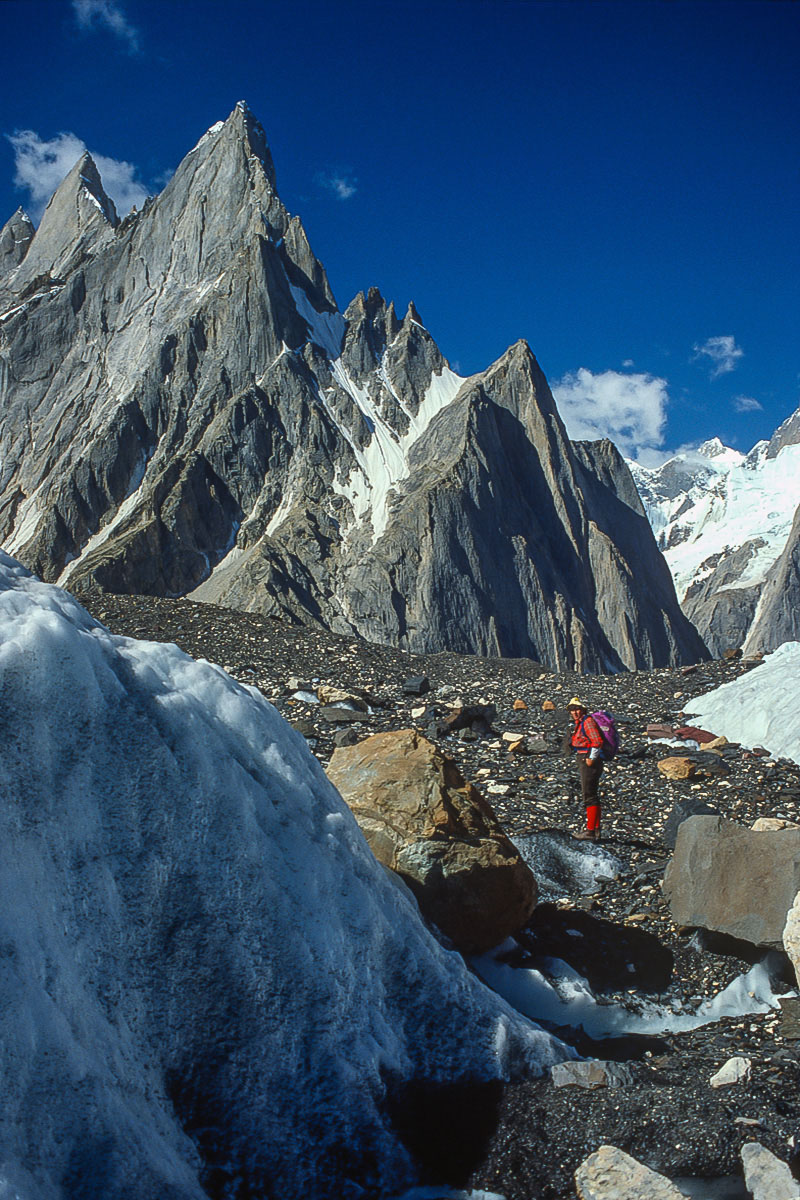
Mitre Peak, Concordia
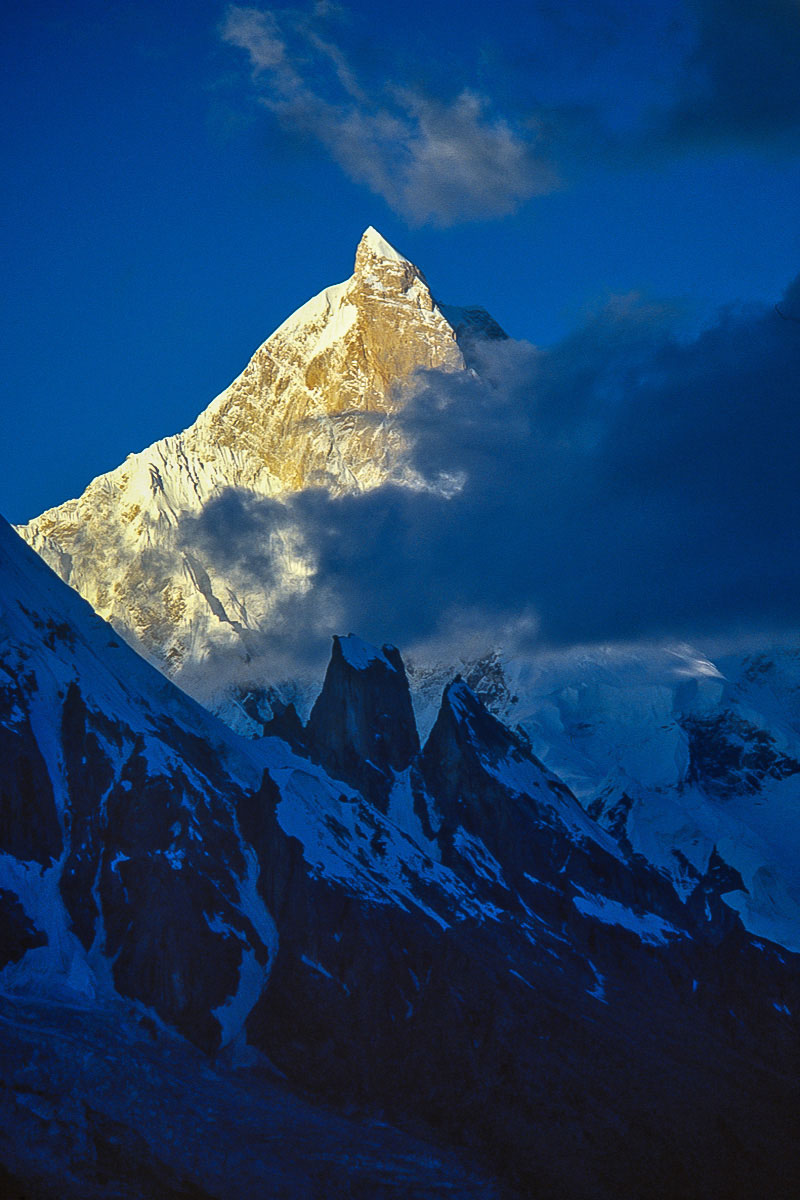
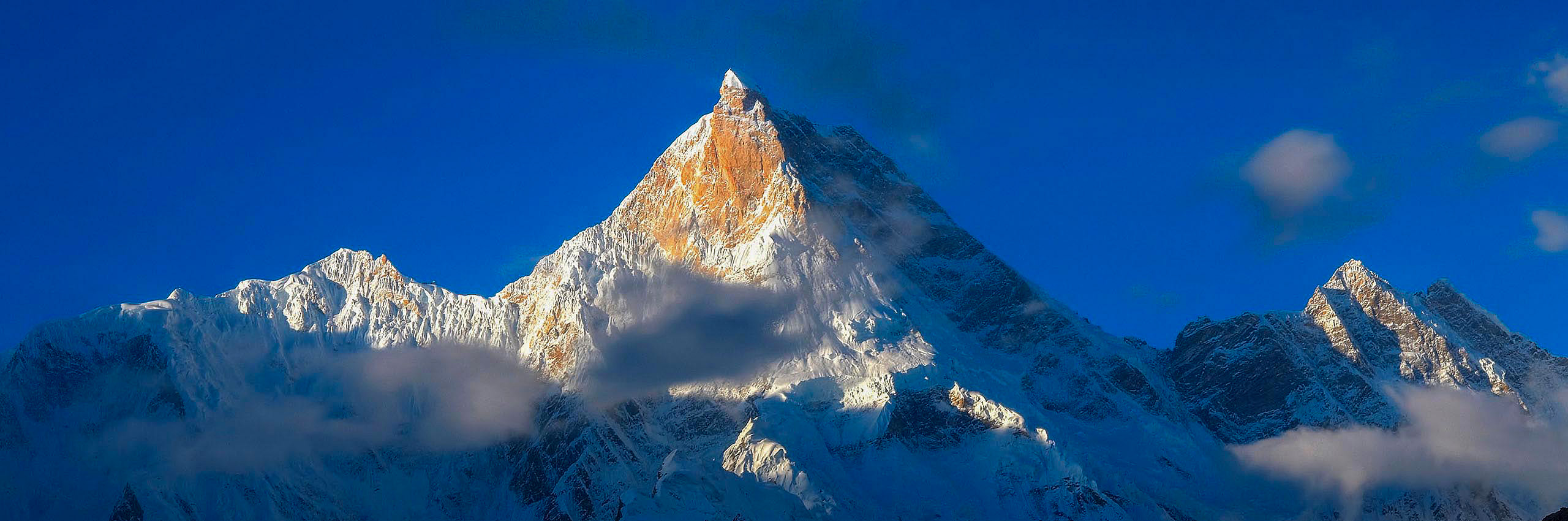
Masherbrum Sunrise
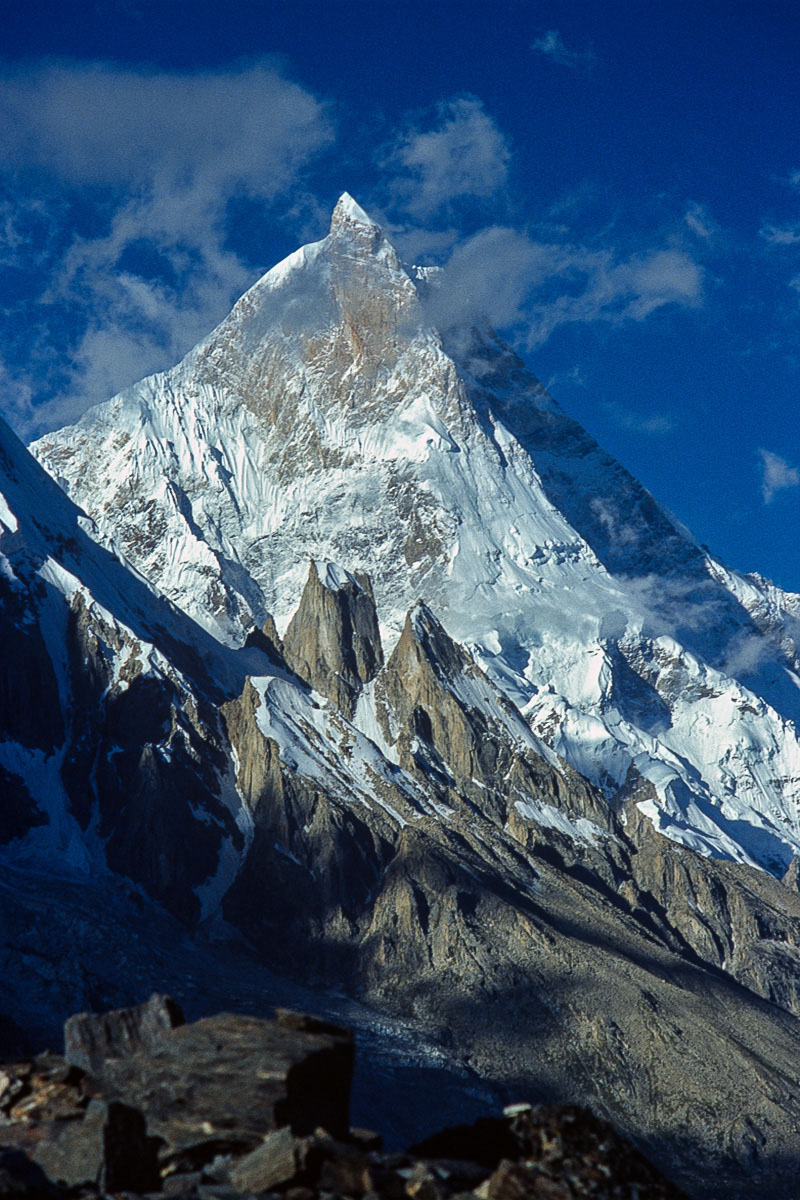
Masherbrum from Goro
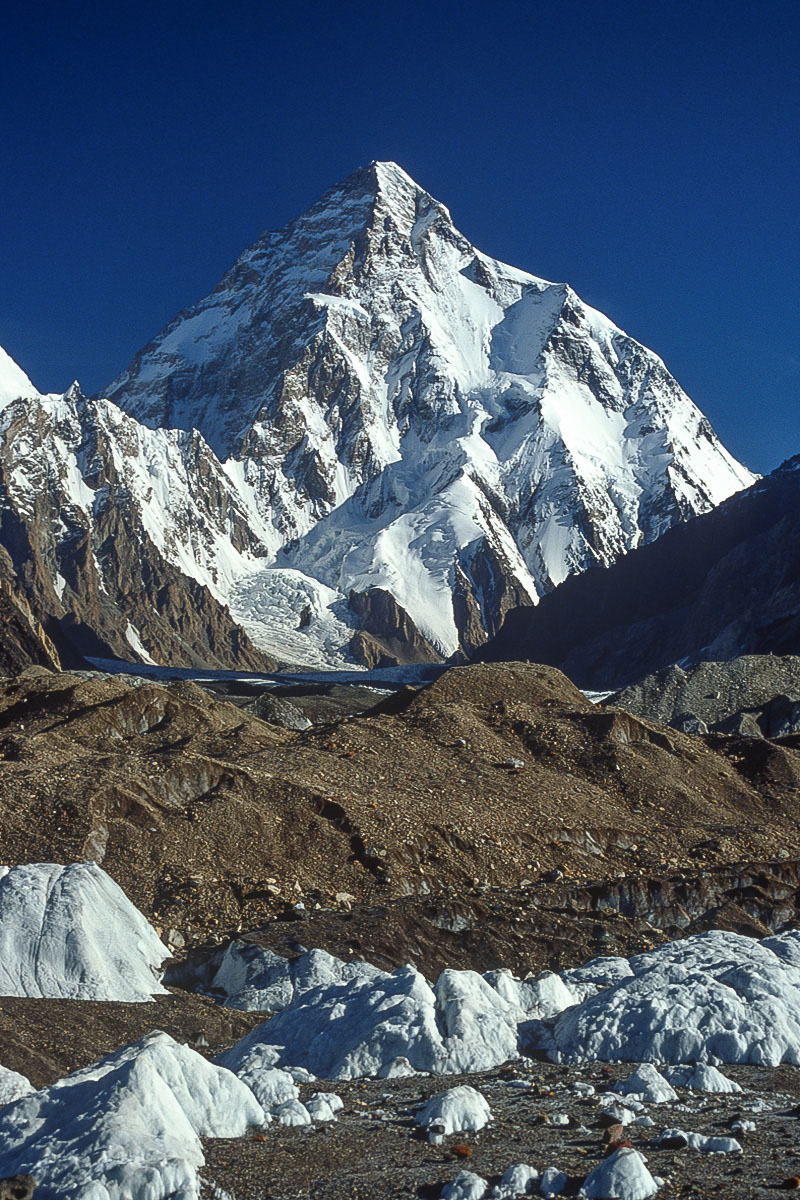
K2 from Concordia
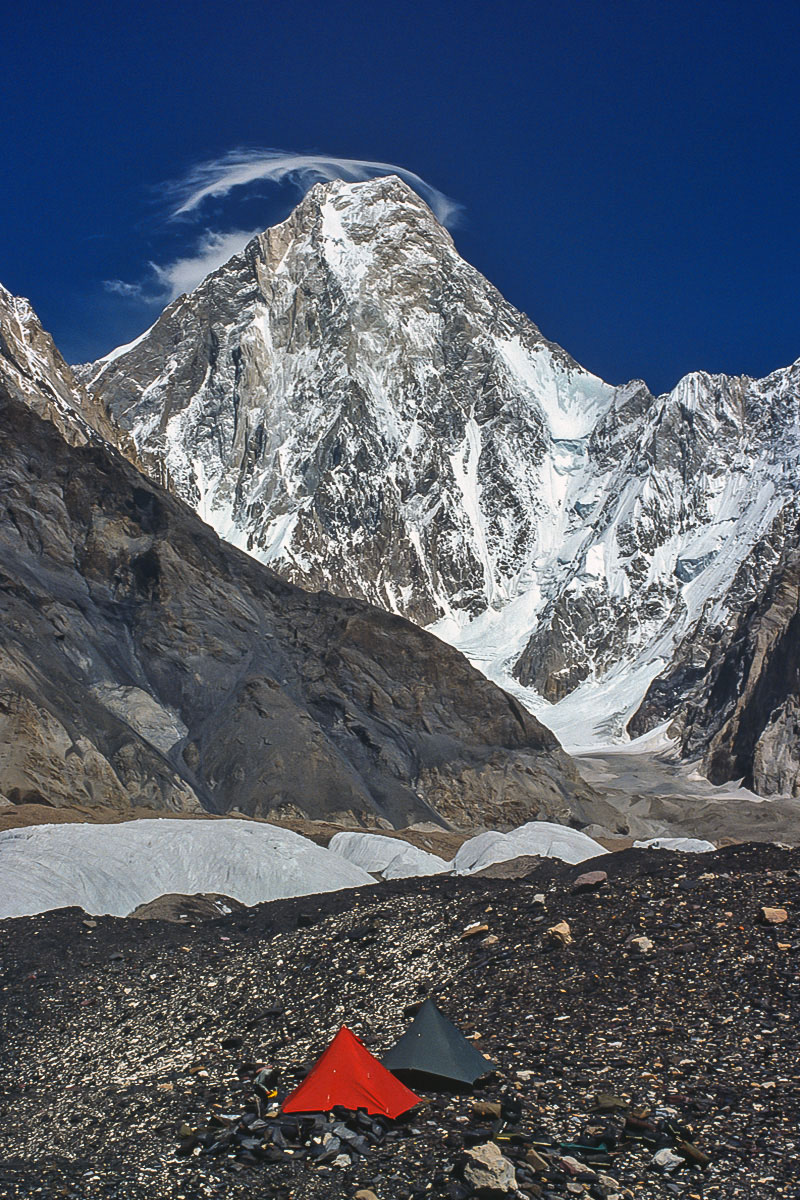
Gasherbrum 4 from Concordia Camp
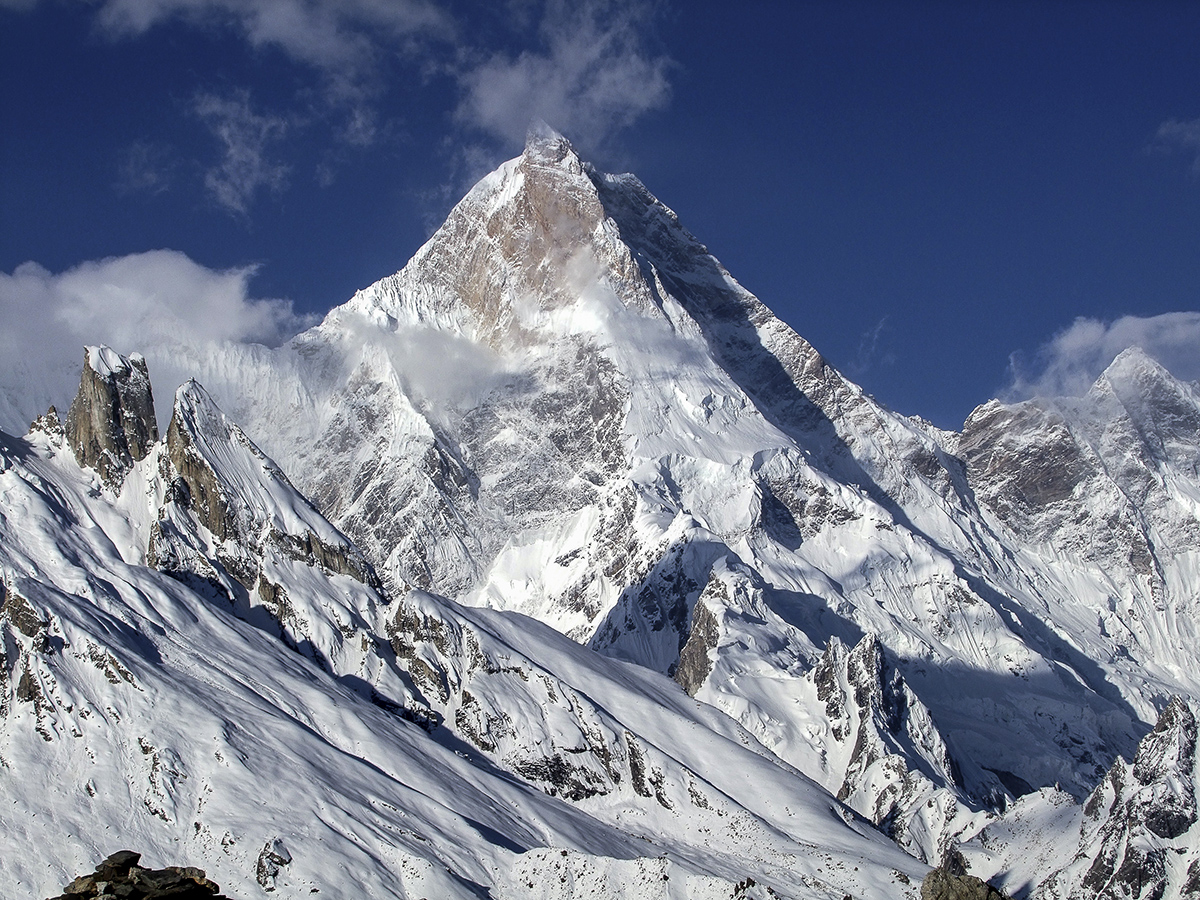
Masherbrum from Concordia
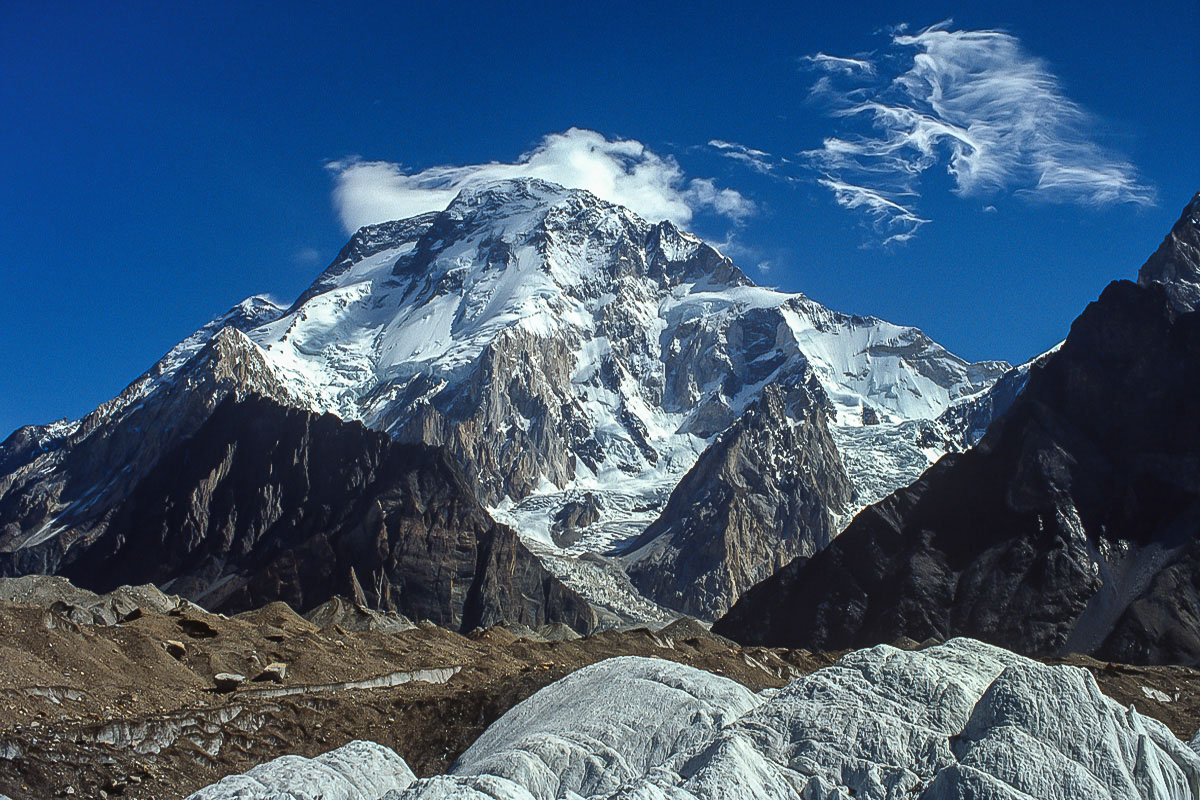
Clouds over Broad Peak
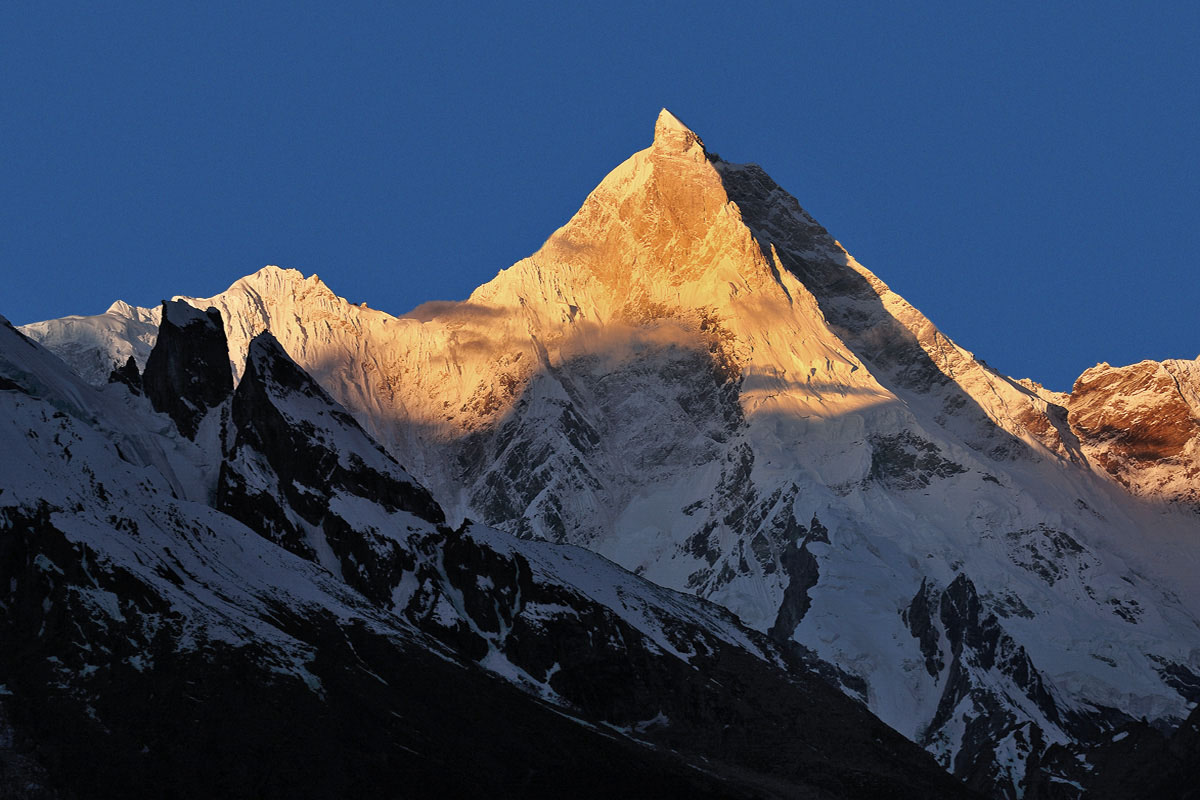
Masherbrum Sunrise
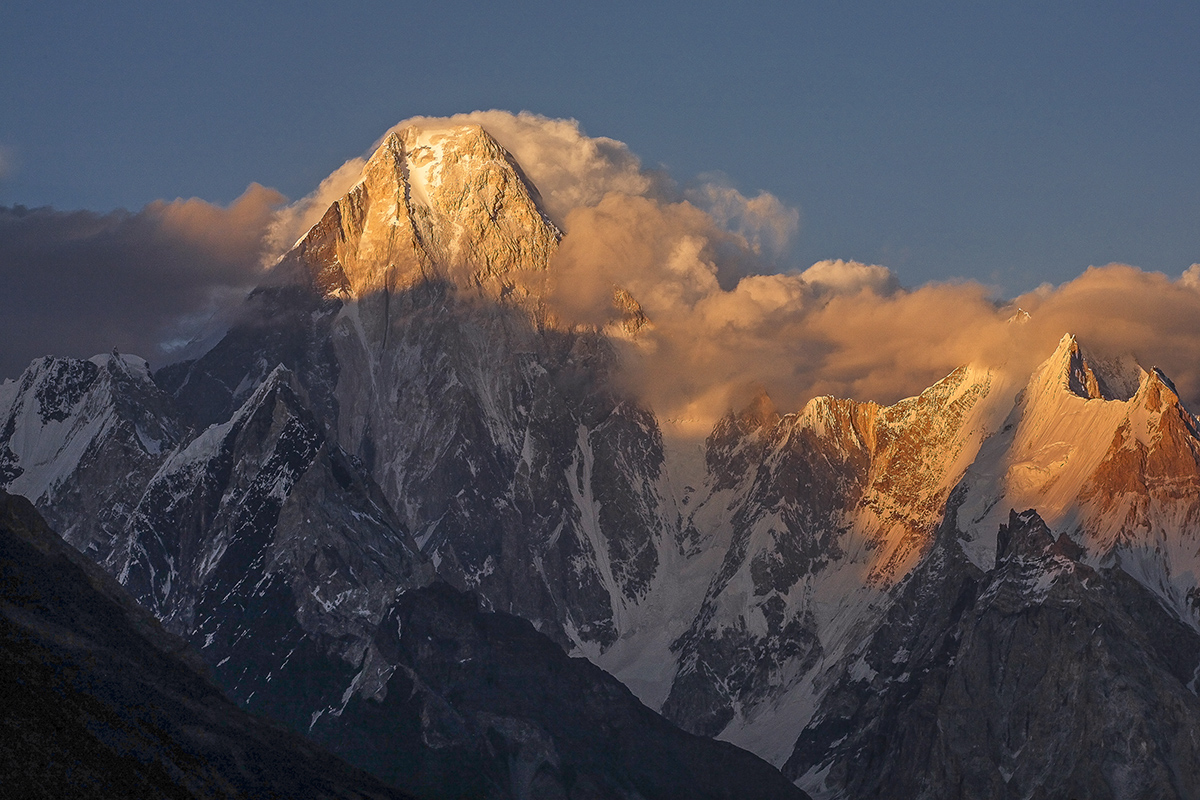
Gasherbrum 4 Sunset