
Snowdonia
Images of the Mountains of Central Snowdonia
Snowdonia is the name designated to a national park of over eight hundred square miles occupying the mountainous region of north-western Wales, extending north-south from Conway to Aberdovery and east-west from Bala to Tremadoc. It has often been described as having the scale and grandeur of the Scottish Highlands combined with the compactness and ease of accessibility of the Lake District. The ancient and traditional name for the region is ‘Eryri’, but its modern and more commonly known name is derived from Snowdon, 1,085m (3,560 ft) the highest mountain south of the Scottish Border. Exposed to the predominantly westerly winds of the Atlantic, Snowdonia is a mild, wet region and snow rarely lingers even on the highest summits in all but the very coldest of winters.
The geological history of Snowdonia mirrors somewhat that of The Scottish Highlands and The Lake District. Much of the unexposed bedrock is Pre-Cambrian over which lie many volcanic rocks from the Ordovician era and Cambrian sandstones, shales and slates, the evidence of which can be seen from the major quarrying works at Dinorwic, Bethesda and Blaenau Ffestiniog. Glaciation has played its part too; nearly every mountain in Snowdonia has one or more flanks deeply rasped out into dramatic, amphitheatre shaped hollows. Often great cliffs stand around them in a half-circle overhanging a deep, black, moraine lake; Clogwyn Du’r Arddu, the main cliffs of Glyder Fach and Fawr, and even the Trinity face on Snowdon itself are such examples. Where two hollows have eaten deeply into opposite sides of a mountain, all that has been left is a narrow ridge such as Crib Goch on Snowdon, Tryfan, Bristly Ridge and The Gribin in the Glyders.
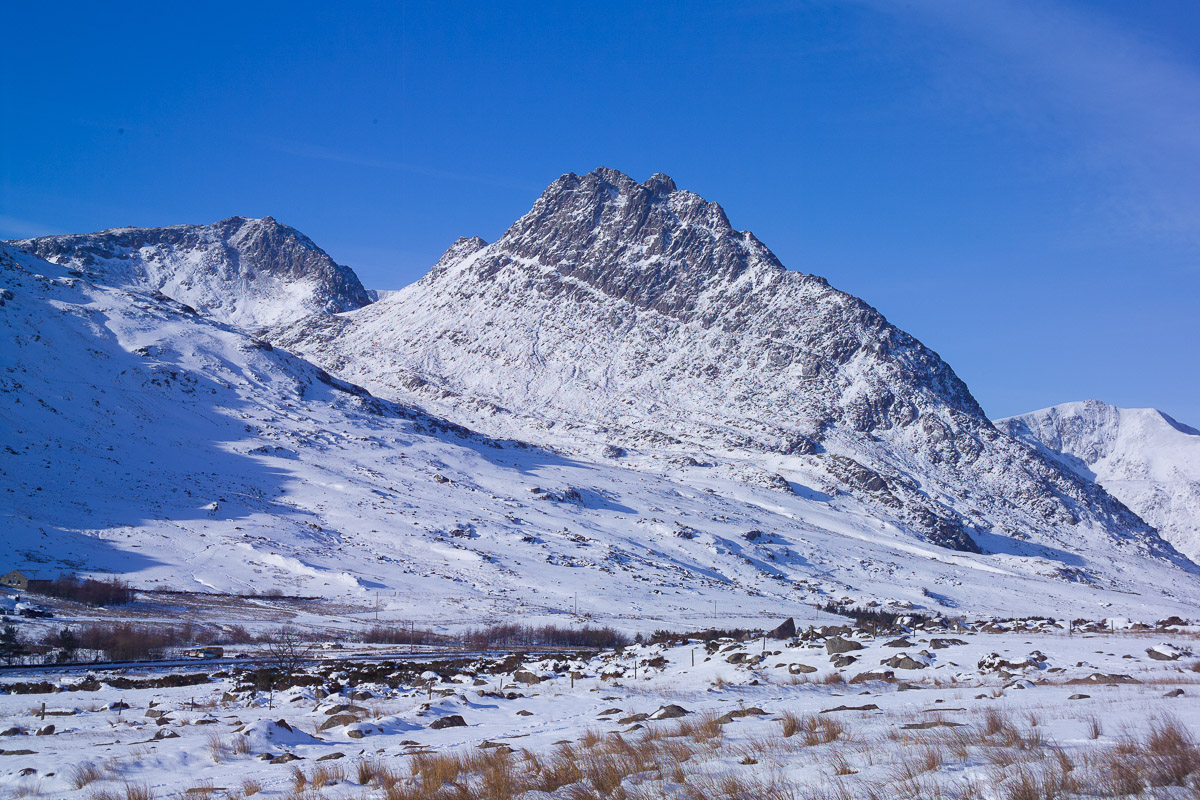
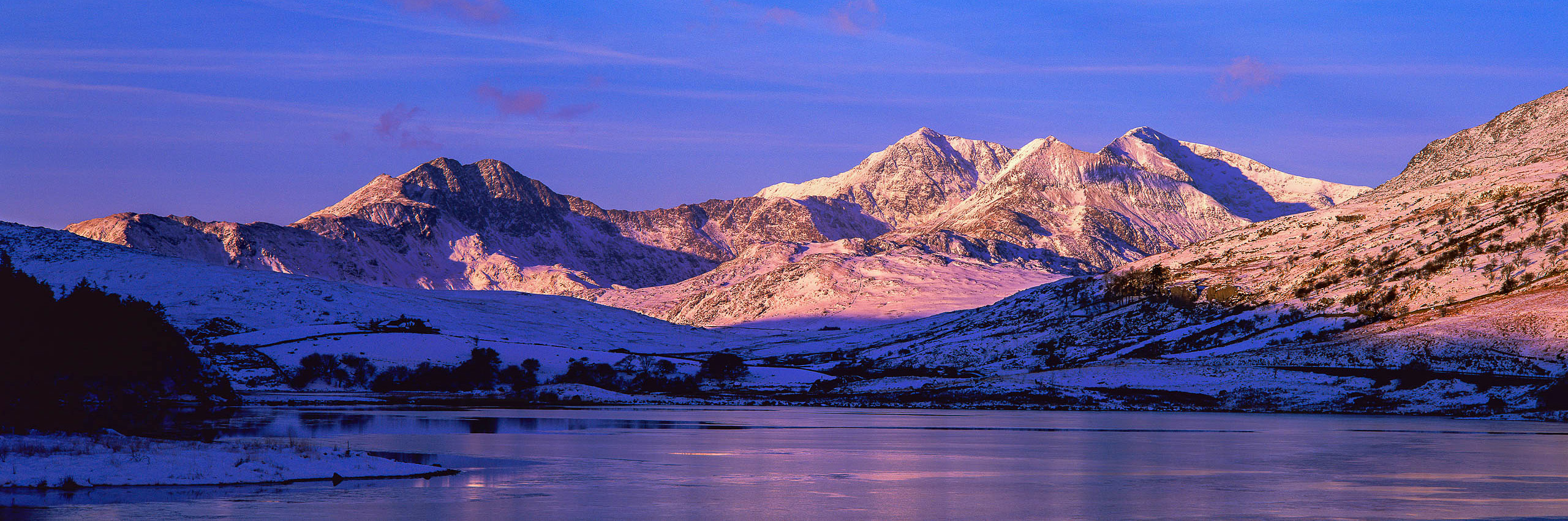
It was here my interest in mountains and photography was awakened in 1972 and it is a mountain range for which I still have great affection; indeed t was where I learnt my craft both as a mountaineer and photographer all those years ago. Regrettably the results of my early photographic efforts are not worthy of inclusion on these pages. Returning to these mountains in the digital era has been rewarding even if those opportunities have been limited. I have enjoyed seeing and capturing Tryfan and the Ogwen Valley once again – particularly in full winter conditions. However, my favourite image remains the classic and iconic view of the ‘Snowdon Horseshoe’ across the Llynnau Mymbyr from Royal Bridge, Capel Curig.
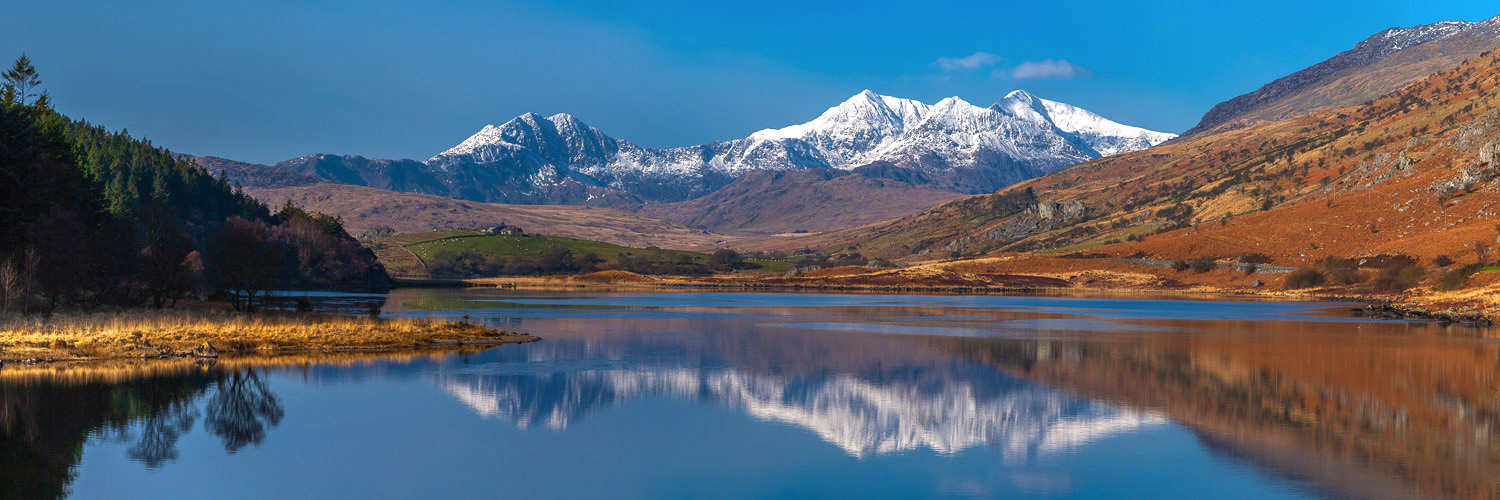
Snowdon Spring Reflections
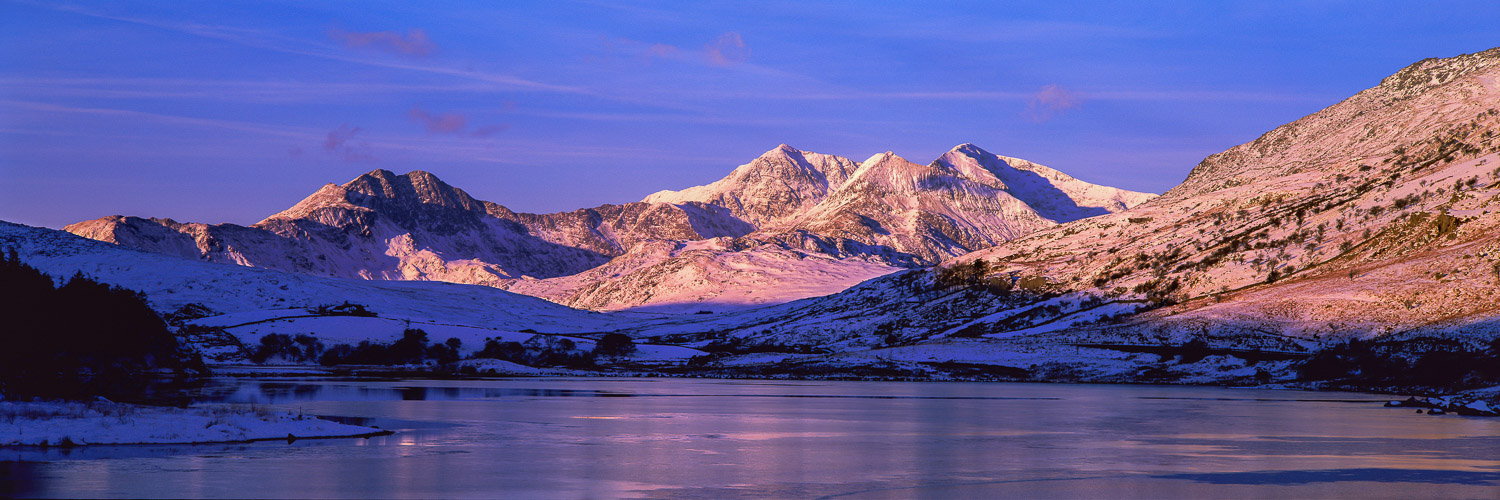
Sunrise Over Snowdon
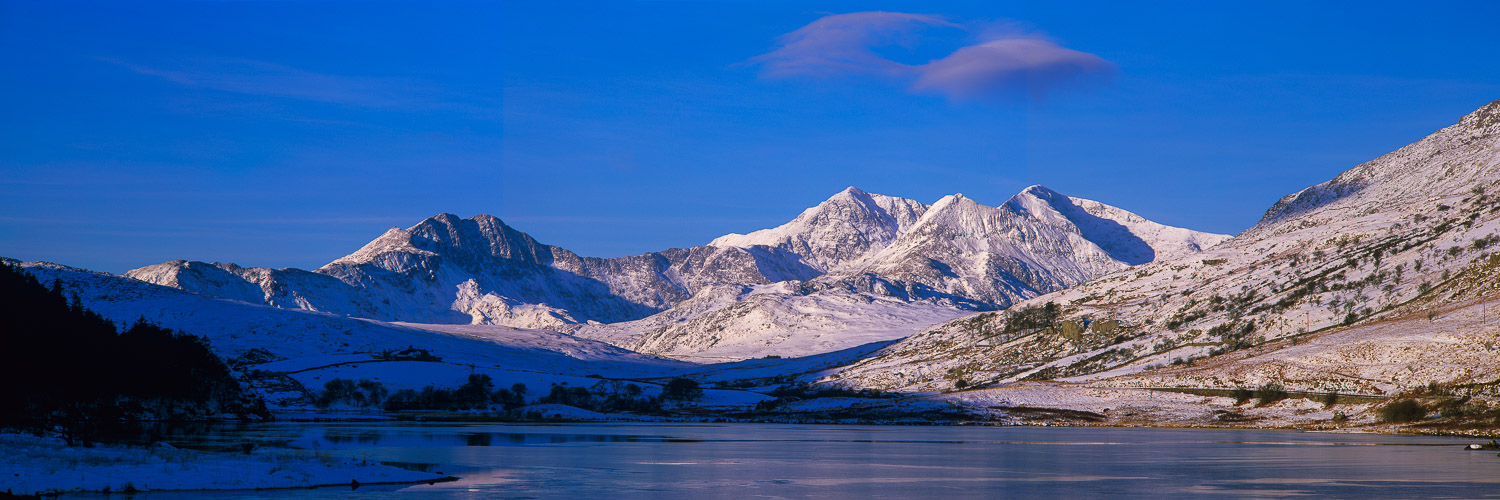
Winter Snowdon
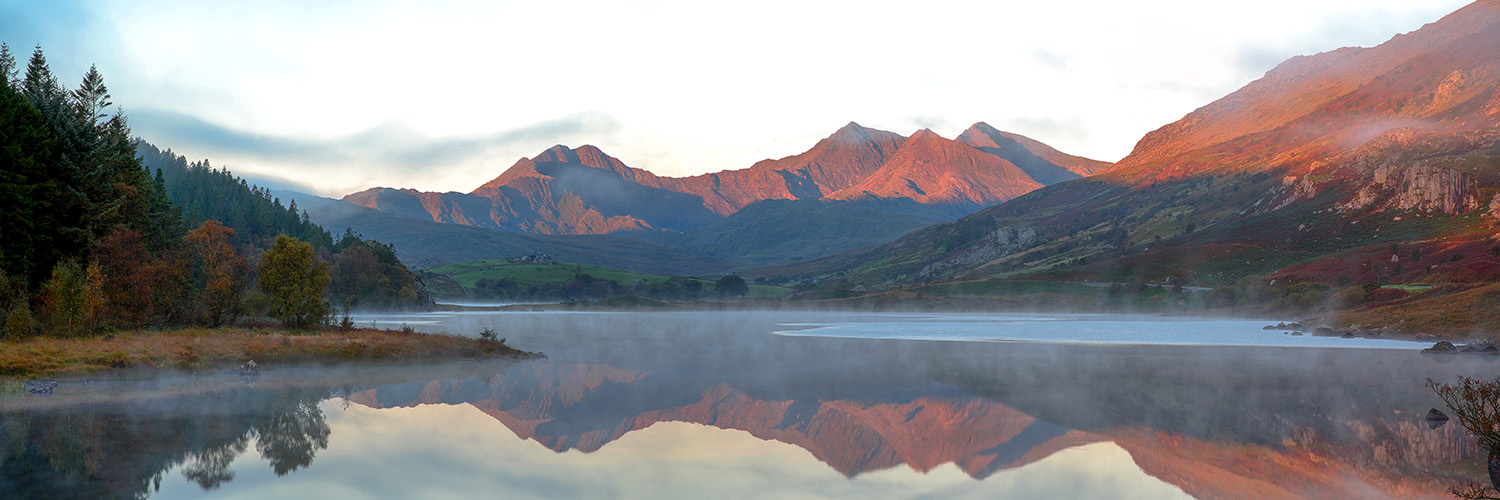
Snowdon Morning Mists

The Snowdon Horseshoe
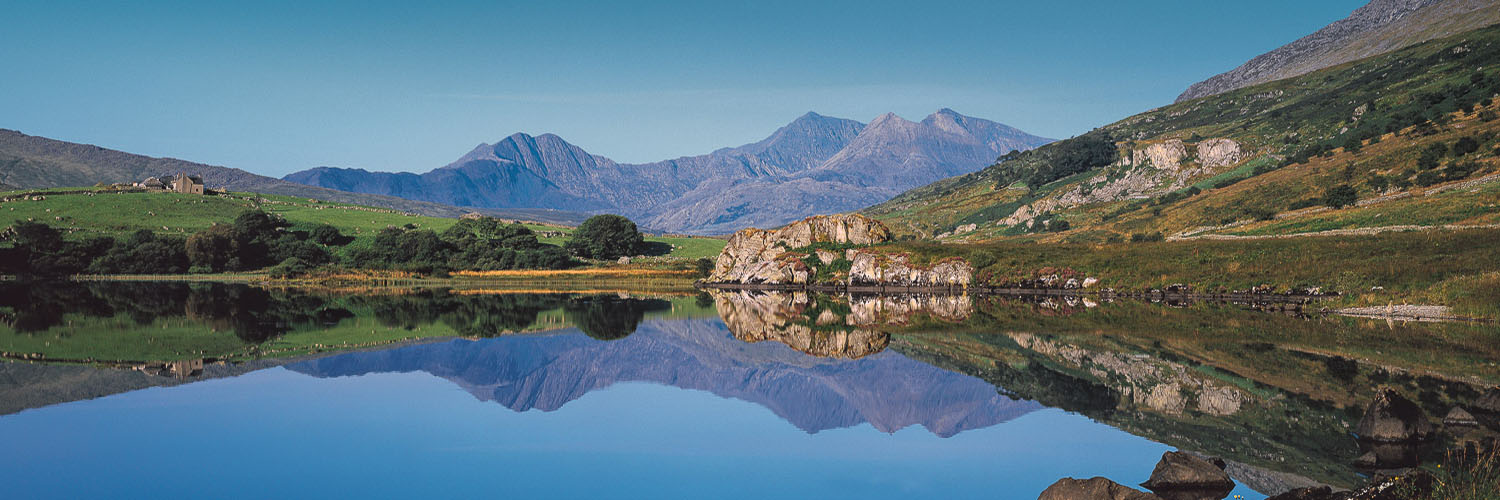
Summer Snowdon
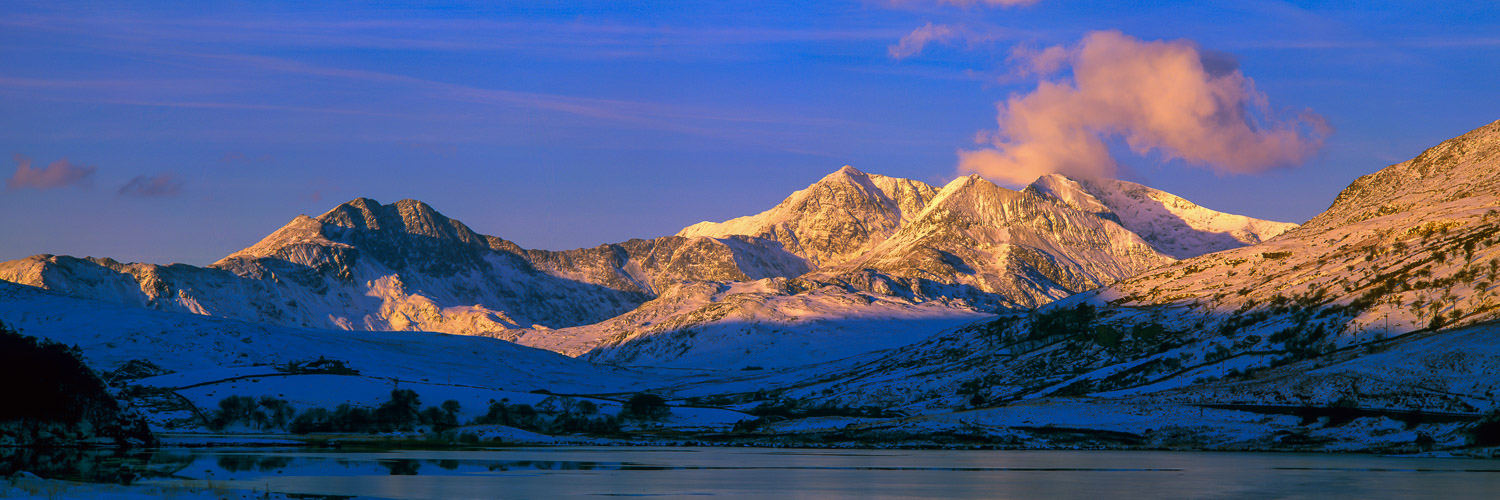
Clouds Over Snowdon
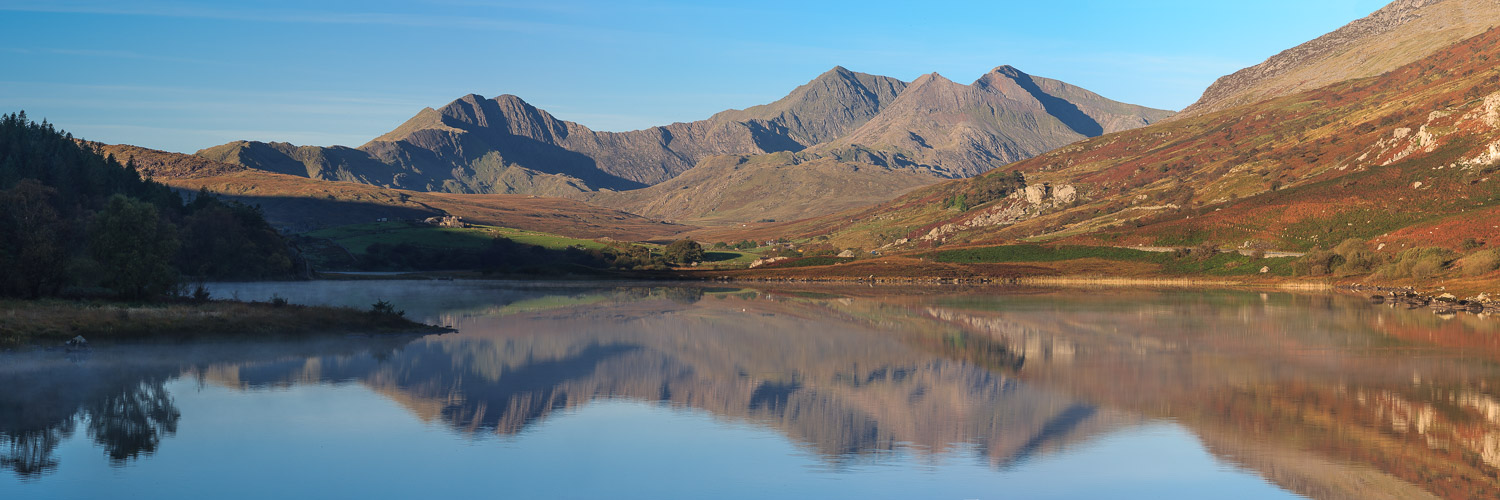
Snowdon Autumn Reflections
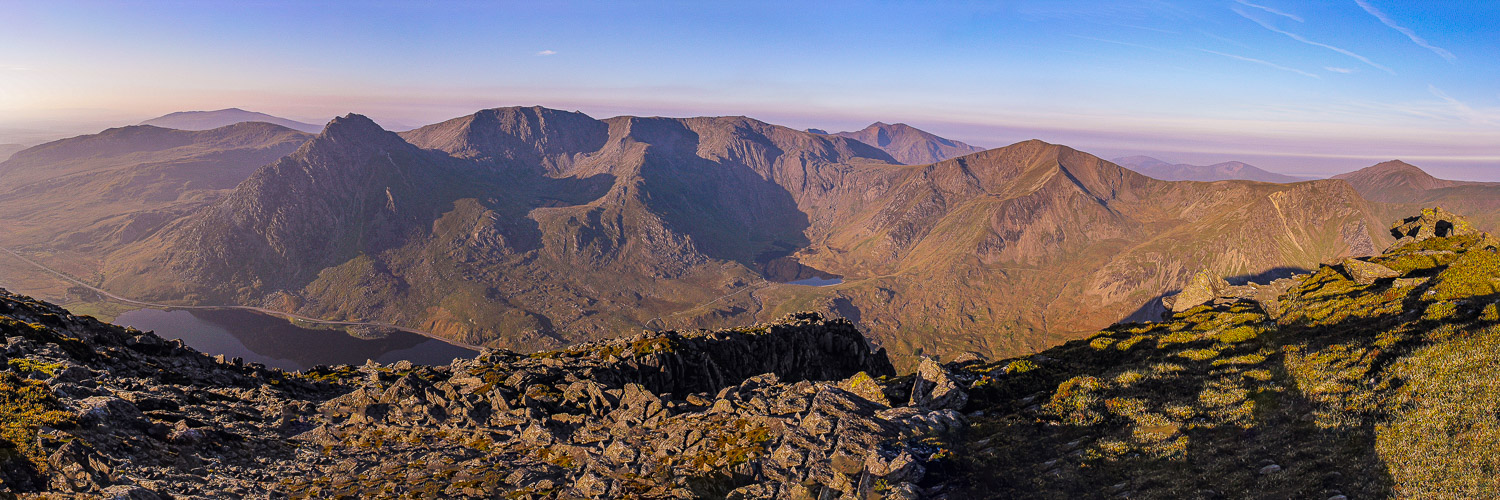
The Glyders
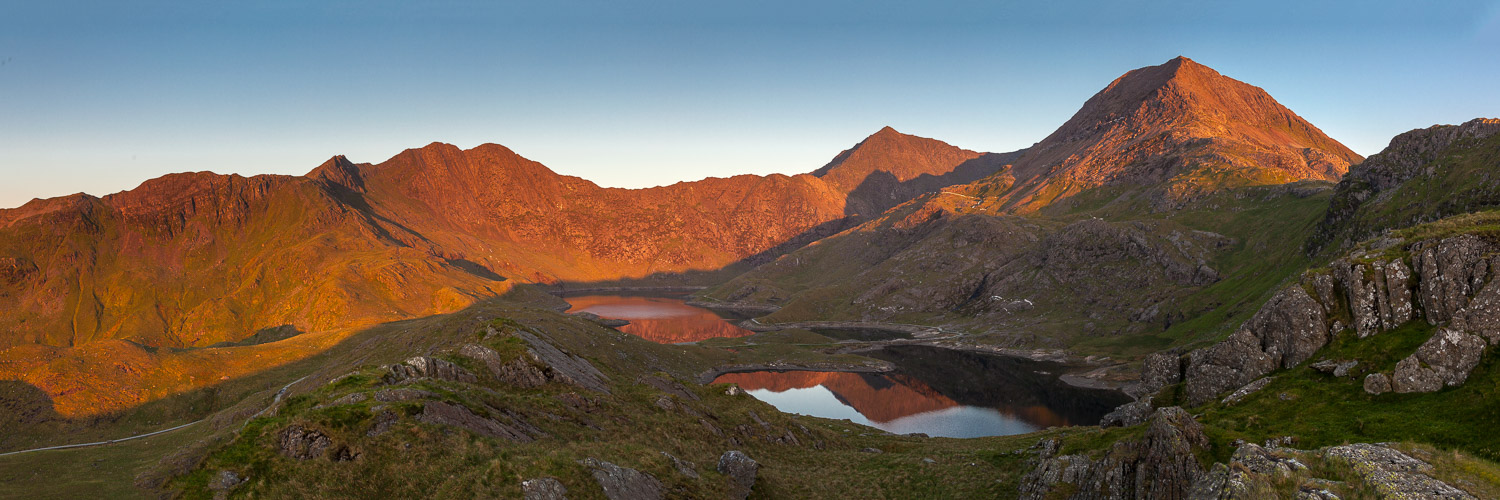
Snowdon Summer Sunrise
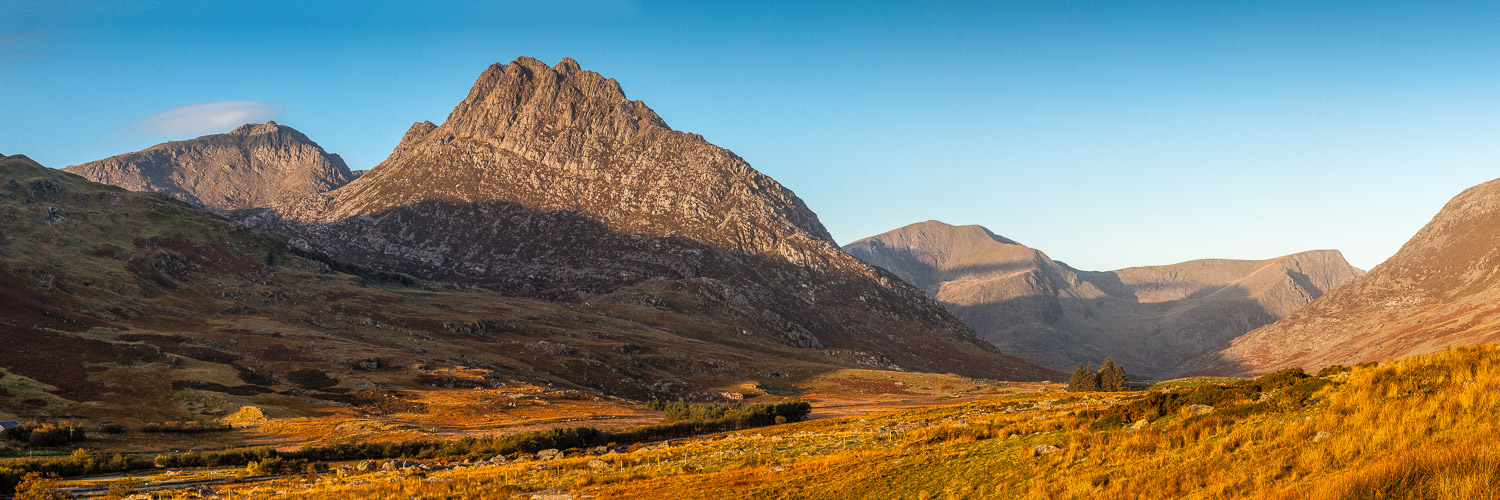
Ogwen Autumn Dawn
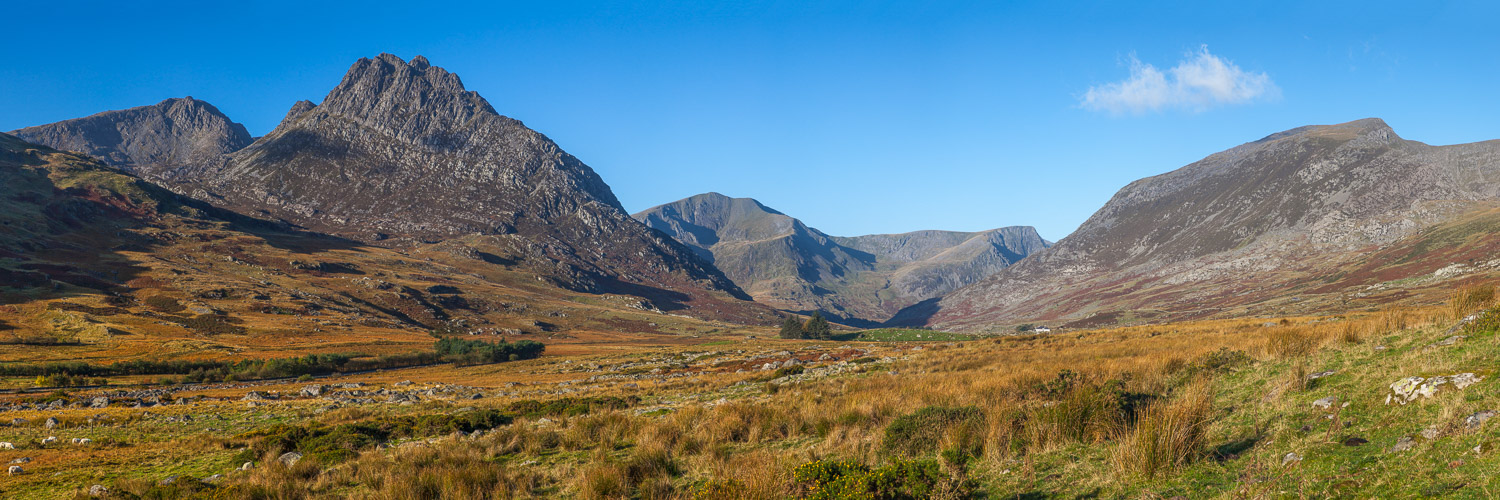
Tryfan and The Ogwen Valley
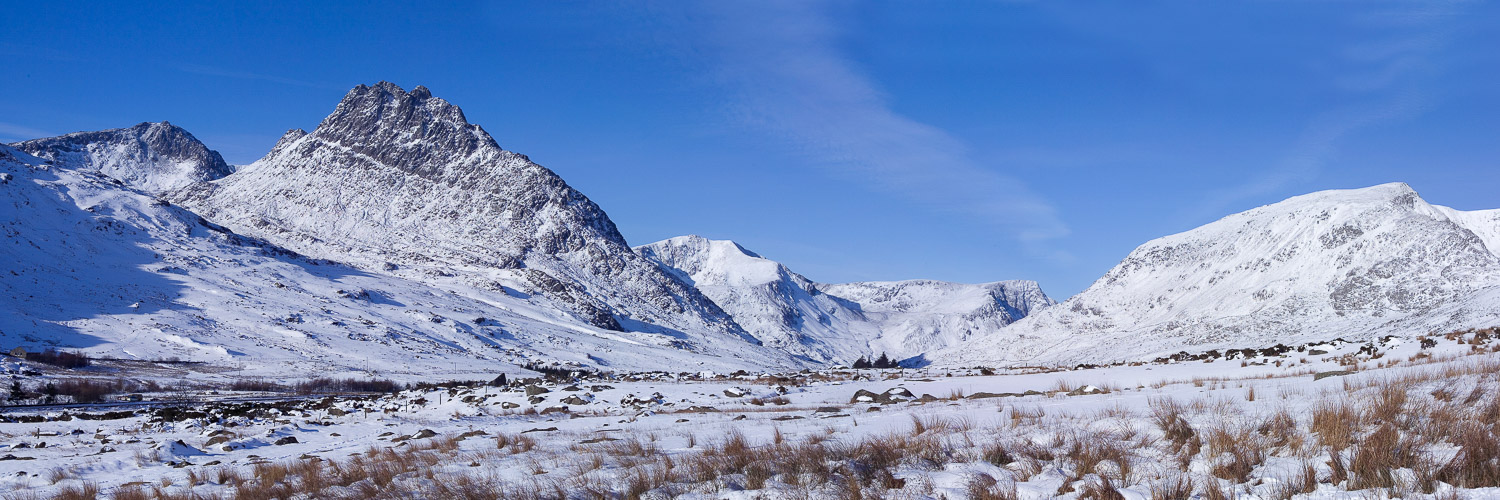
Ogwen in Winter

The Ogwen Valley
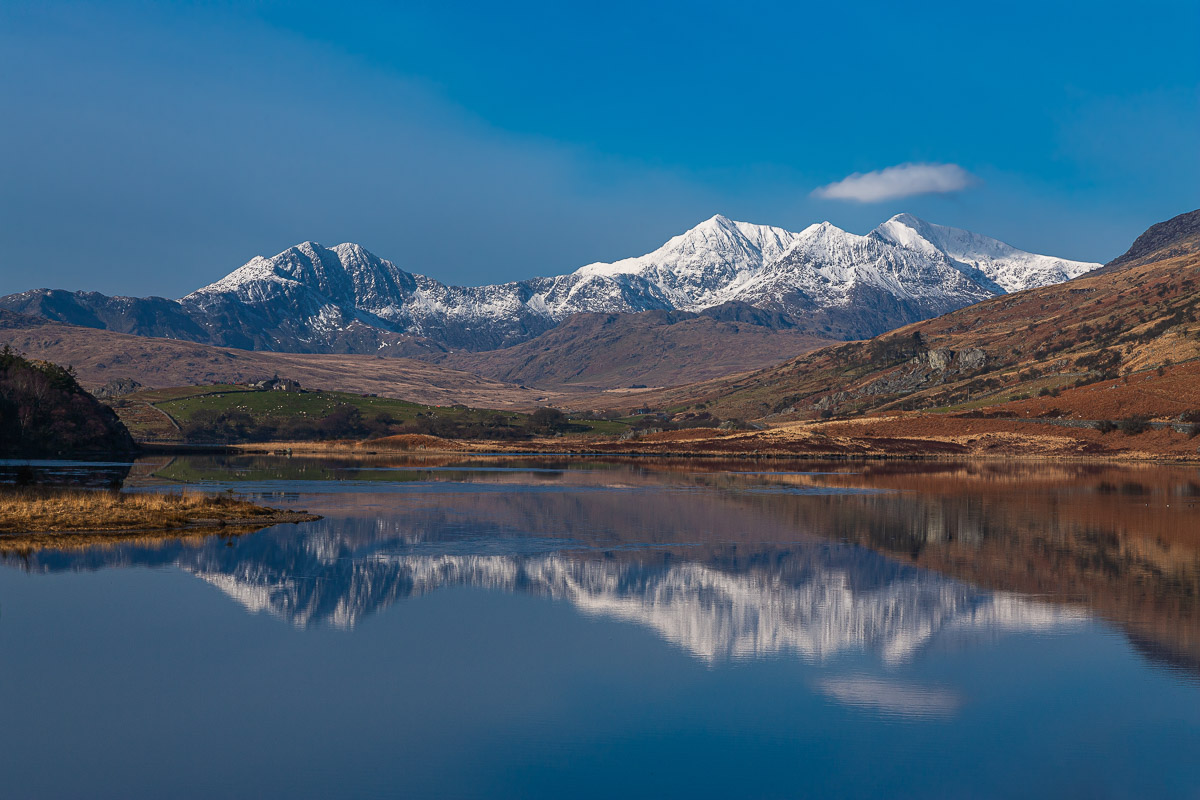
Snowdon in Spring
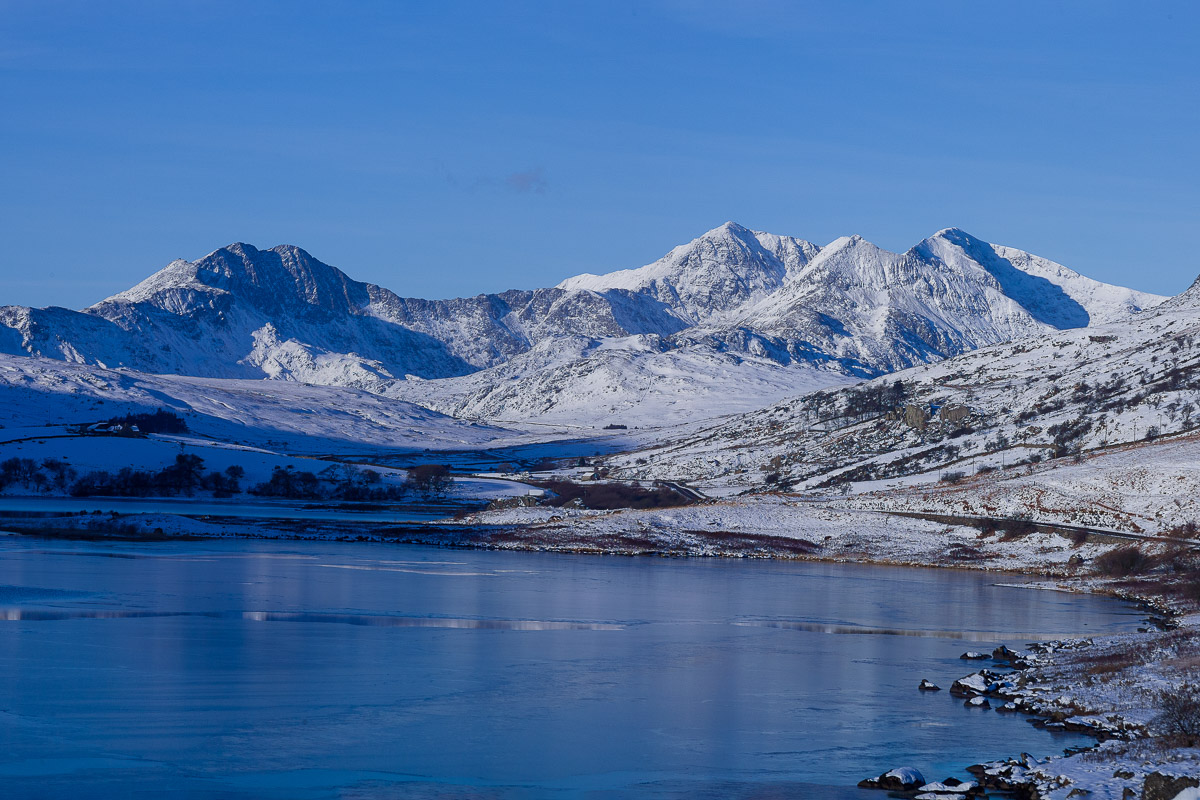
Snowdon in Winter
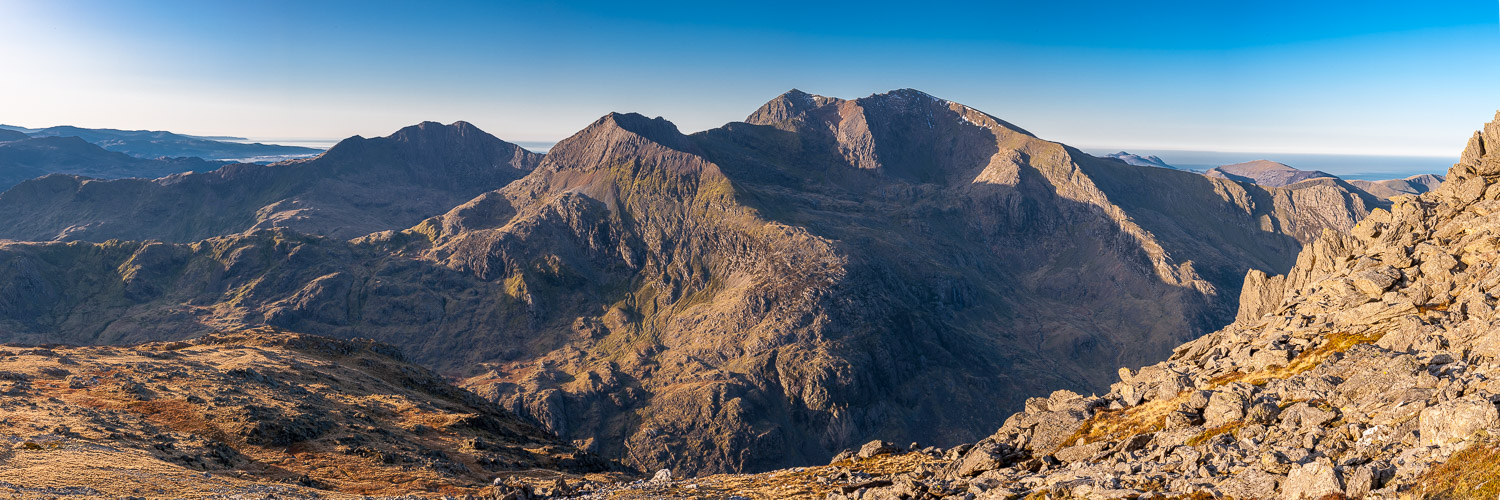
Snowdon from Glyder Fawr
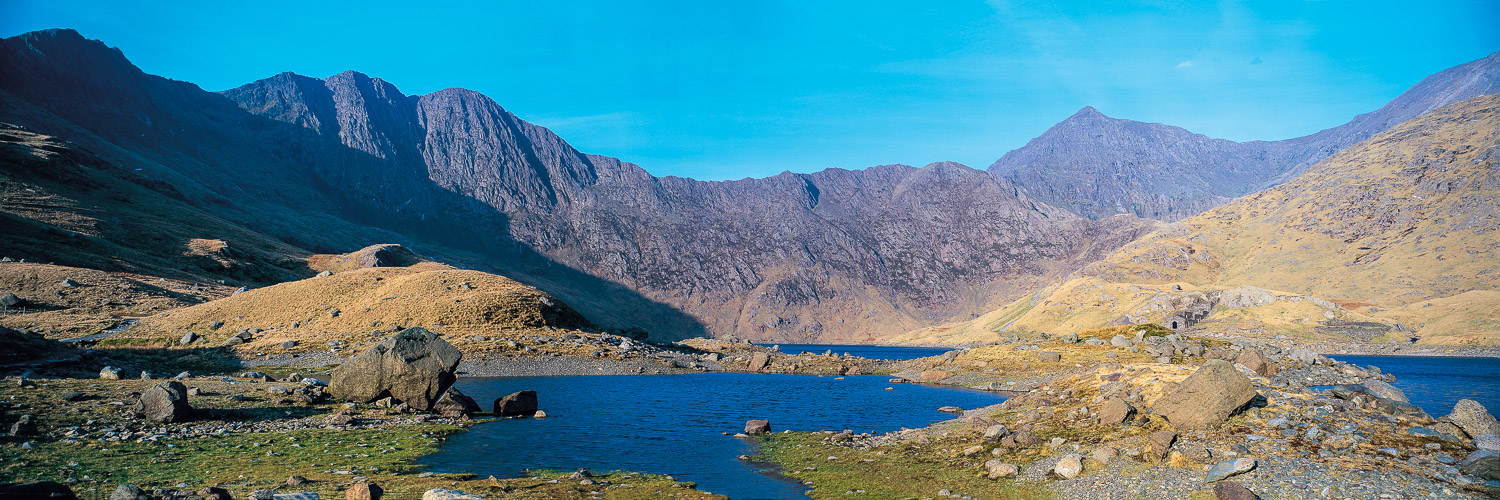
Snowdon from Llyn Llydaw
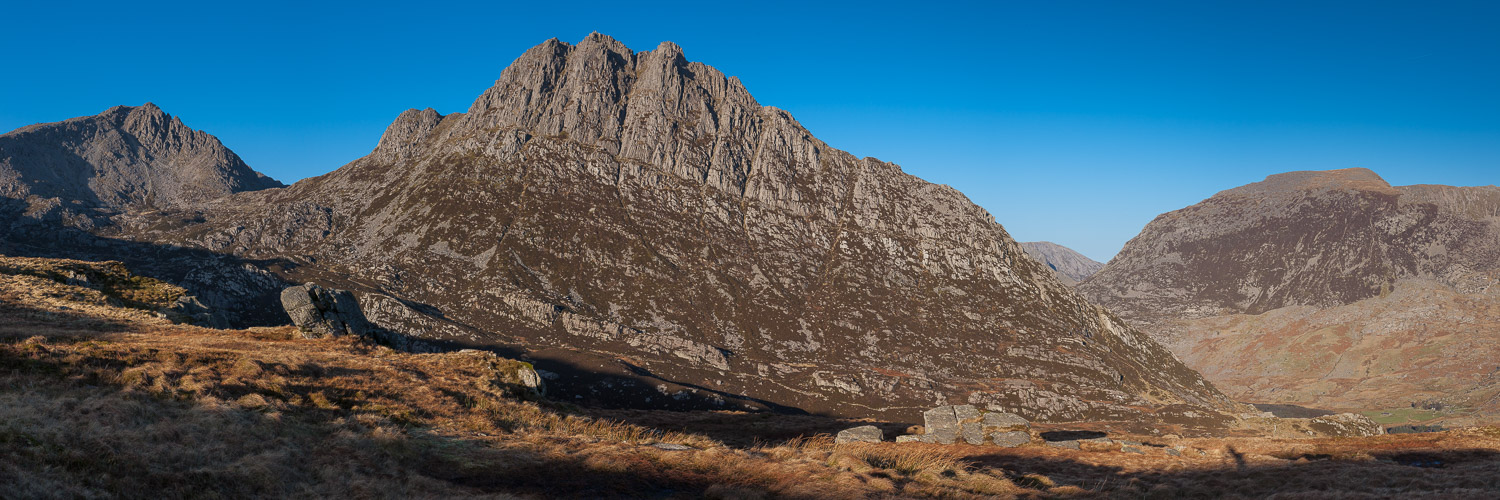
Tryfan East Face
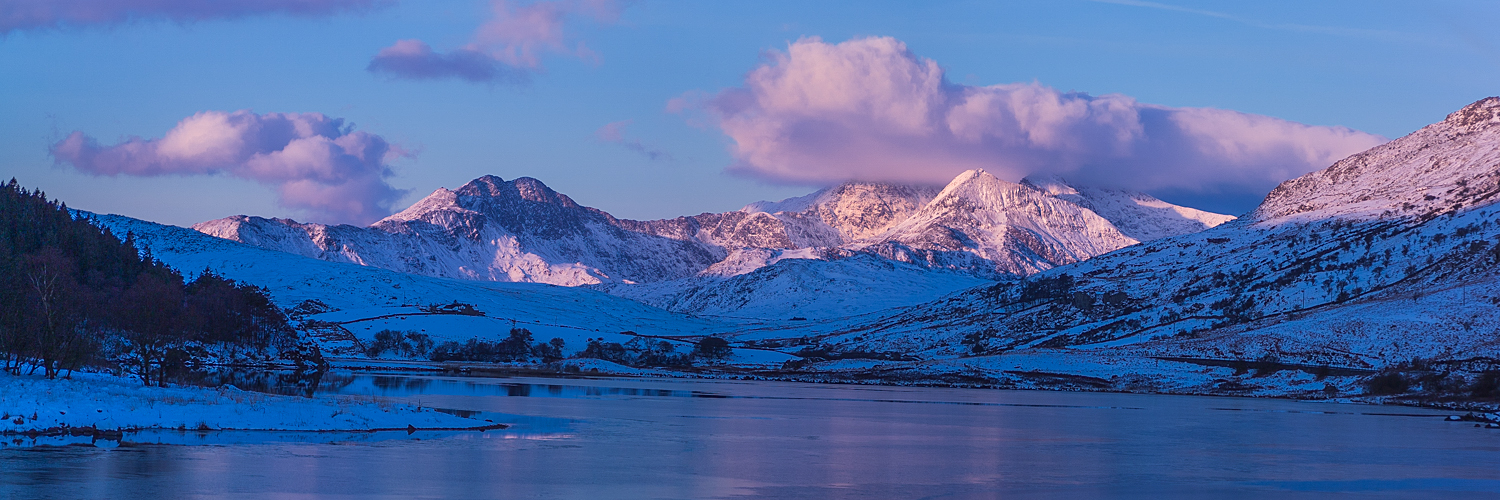
Snowdon Winter Dawn
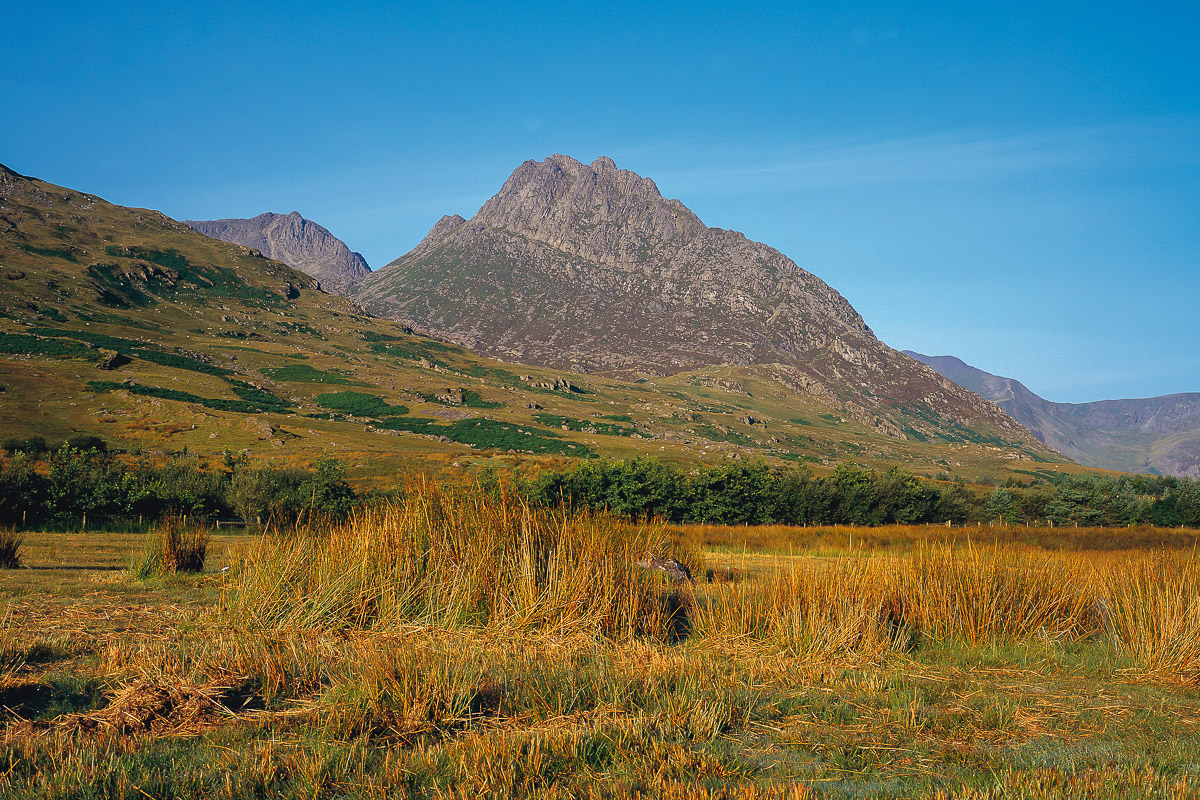
Tryfan from Gwern Gof Isaf