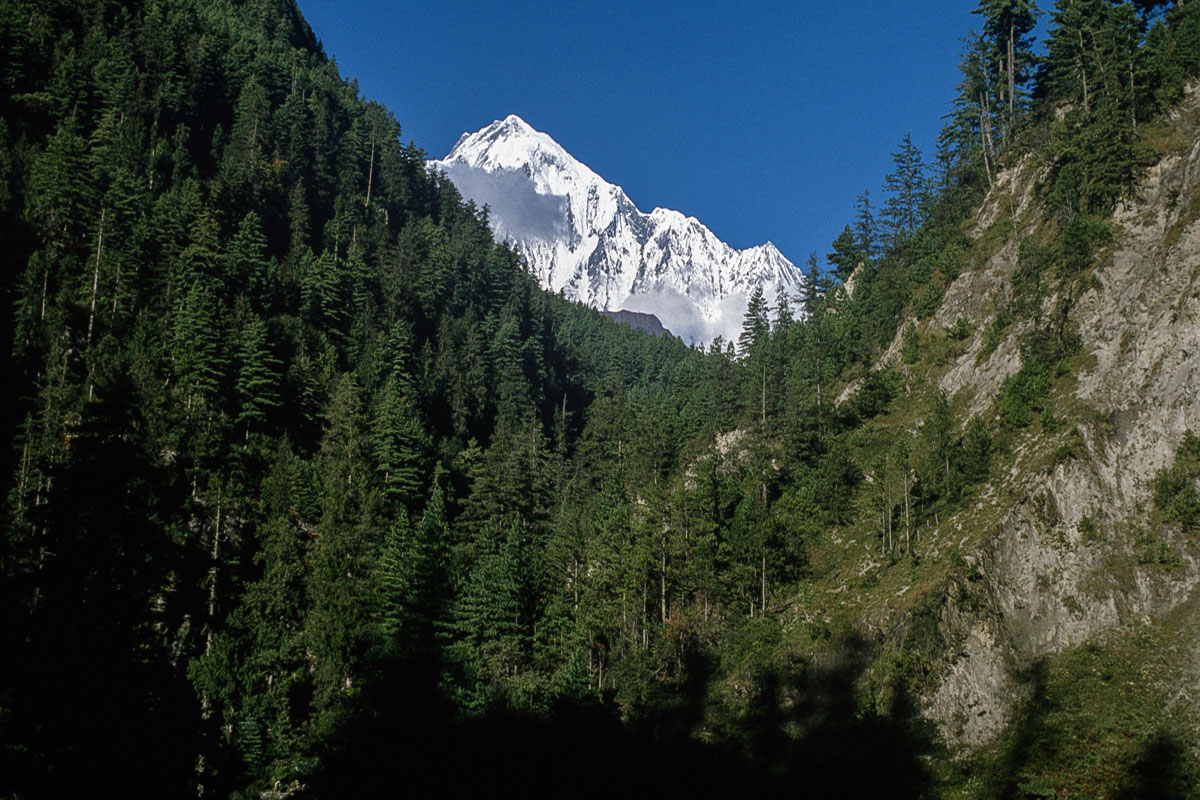

Annapurna Himalaya Nepal
Photographs of the Annapurna Himalaya, Nepal
Annapurna is a massif in the Himalayas in north-central Nepal that includes one peak over 8000 metres (26,000 ft) and thirteen more over 7000 metres (23,000 ft). The highest of these is Annapurna 1, at 8091m (26,545 ft) above sea level it is the tenth highest mountain in the world. It was the first of the major 8,000 metre peaks to be climbed, achieved following a line from the north by a French expedition led by Maurice Herzog in 1950. Another notable ascent was that of a British expedition in 1970 led by Chris Bonington that made the first ascent of the mighty South Face of Annapurna.
The entire Annapurna massif is 55 kilometres long from east to west, and is bounded by the great defile of the Kali Gandaki gorge on the west, the Marsyangdi River on the north and east, and by the Pokhara Valley on the south. On its southern flanks the massif encloses a high glacial basin called the Annapurna Sanctuary and to the north it shelters a high valley, very much Tibetan in character, known as Manang. The entire massif and surrounding area are protected within the 7500-square-kilometre Annapurna Conservation Area, the first and largest conservation area in Nepal. Most of Annapurna’s many summits are best appreciated from the north and west, an objective easily accomplished by circumnavigating the entire massif by way of the 5,200 metre Thorong La Pass.
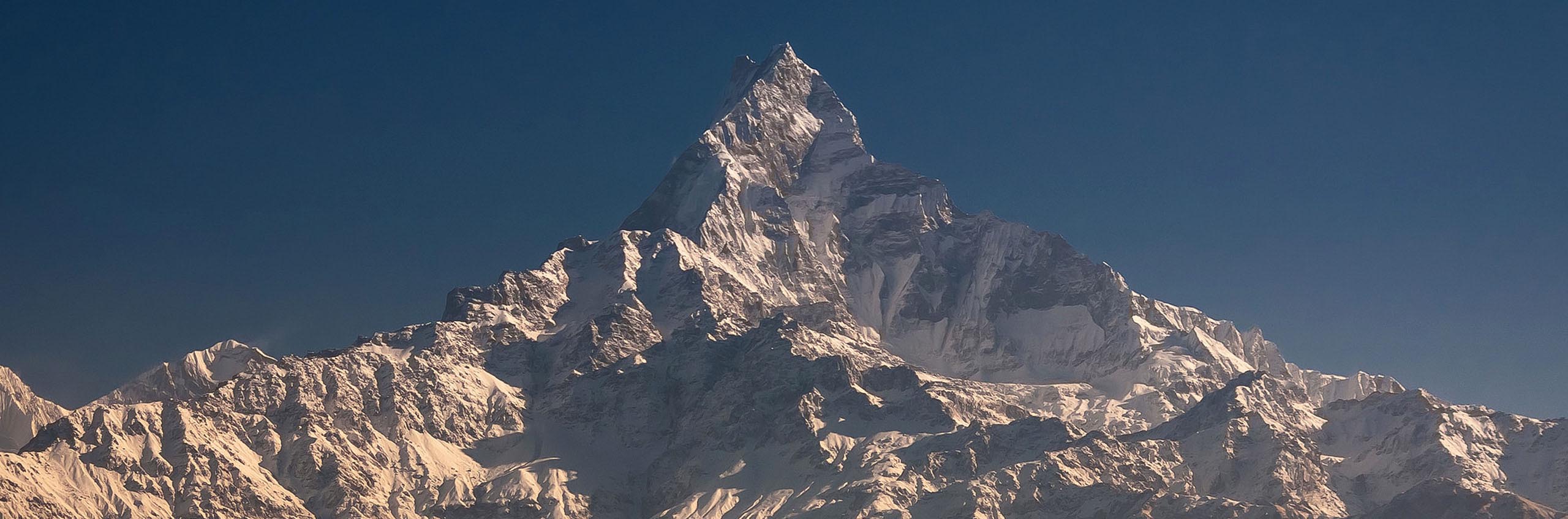
At the end of a long spur ridge to the south of the main backbone of the massif is one of its most notable summits – Machhapuchhare, 6993m (22,943 ft). It is a particularly striking peak whose double summit resembles the tail of a fish, which is the derivation of its name meaning “fish’s tail” in Nepalese. It is believed that Machhapuchhare has never been climbed to its summit. The only confirmed attempt was in 1957 by a British team led by Lieutenant Colonel Jimmy Roberts. Climbers reached within 150 of the summit via the north ridge but they did not complete the ascent in deference to local wishes. The mountain is said to be ‘sacred’ and no permits have been issued to climb the mountain ever since.
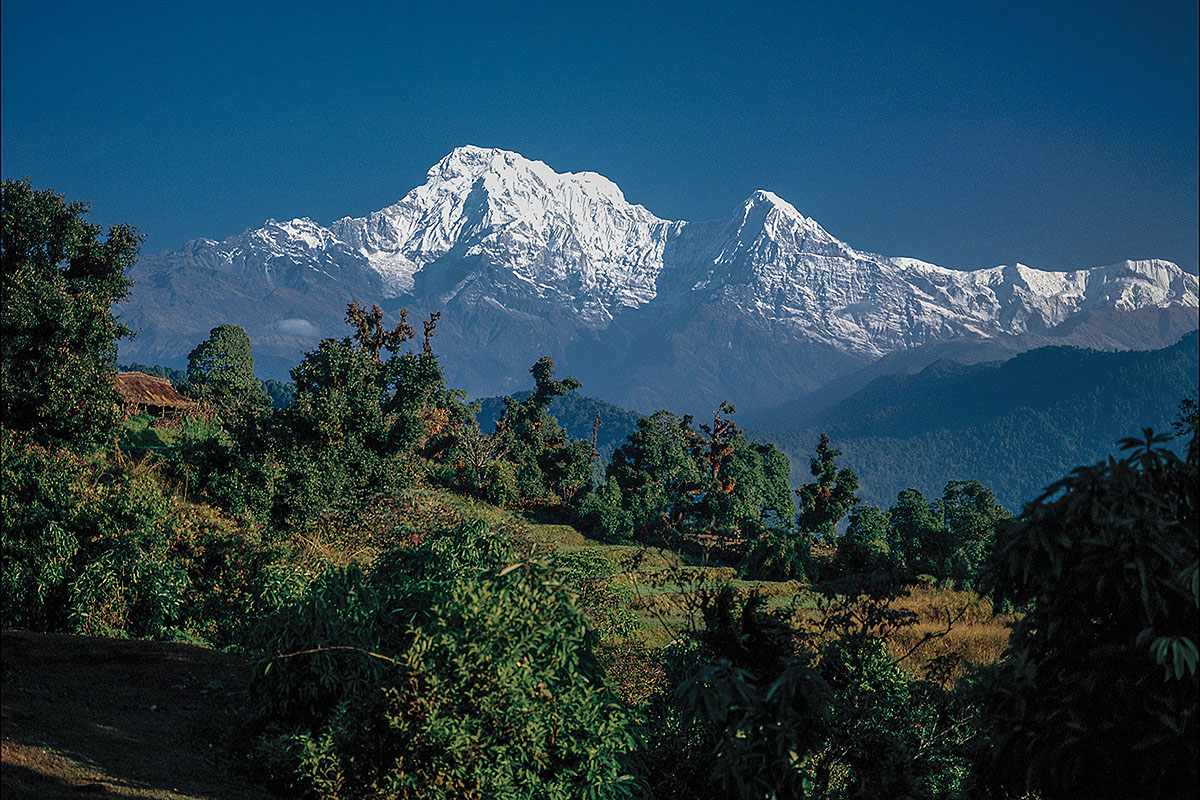
Annapurna South and Hiun Chuli from Damphus
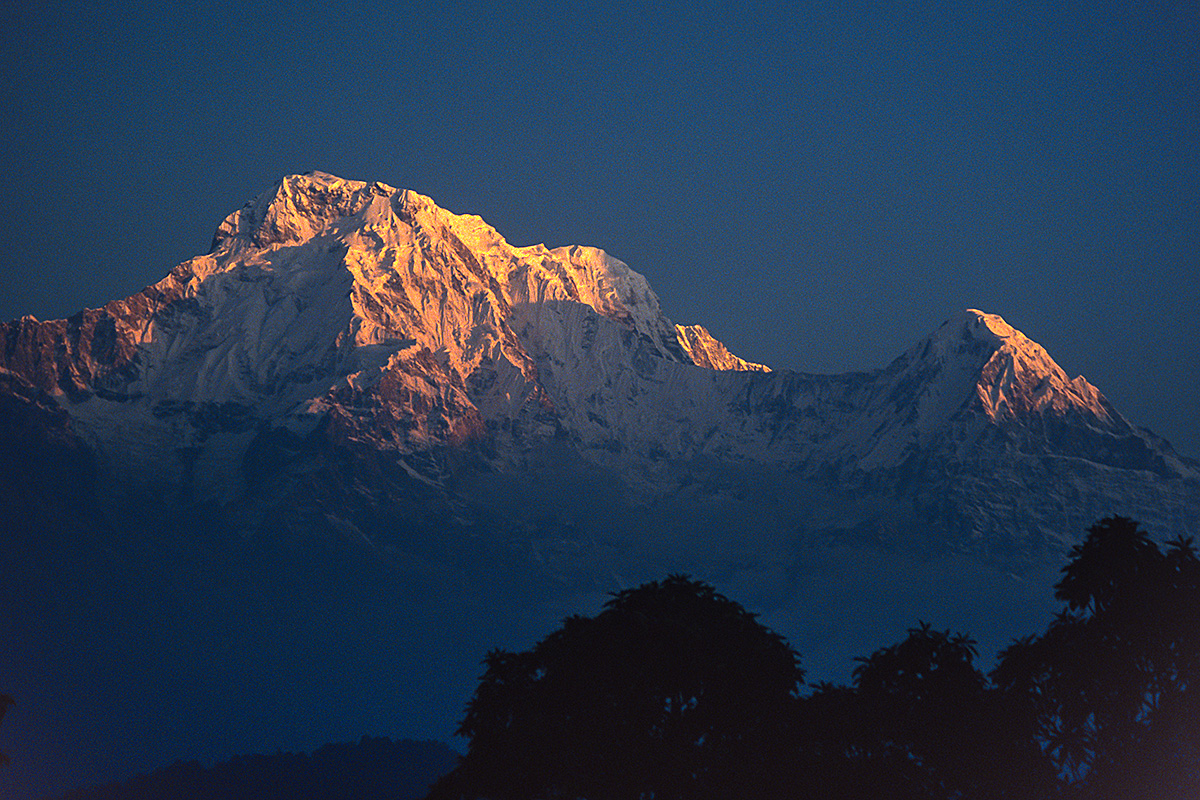
Annapurna South and Hiun Chuli from Landrung
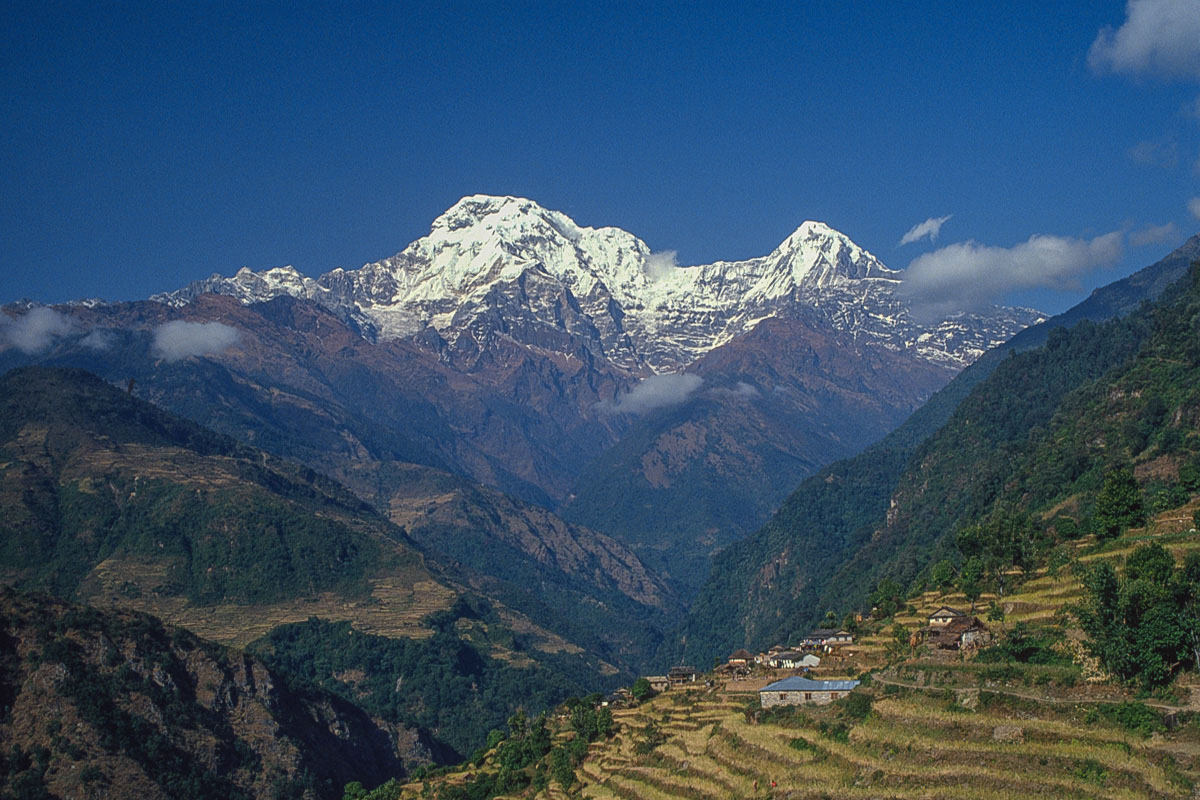
Annapurna South and Hiun Chuli from Landruk
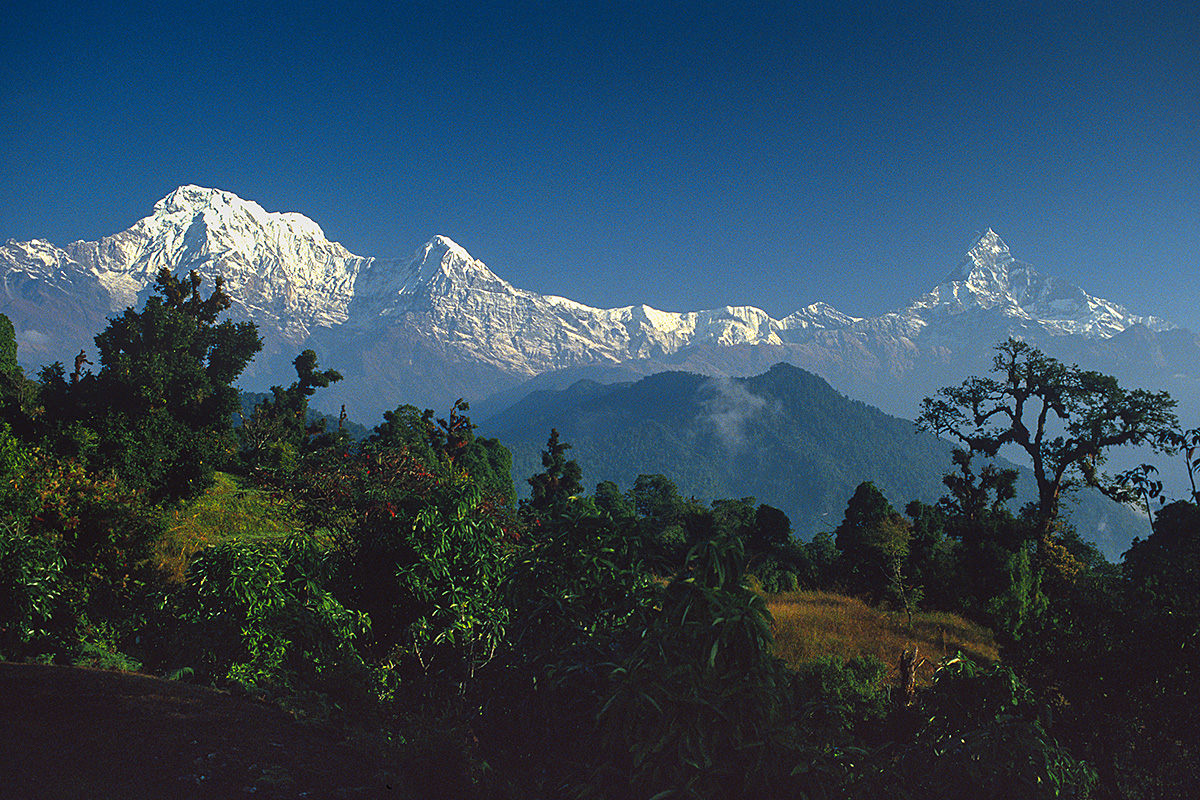
Annapurna South, Hiun Chuli and Machhapuchhare from Damphus

Machhapuchhare from Damphus
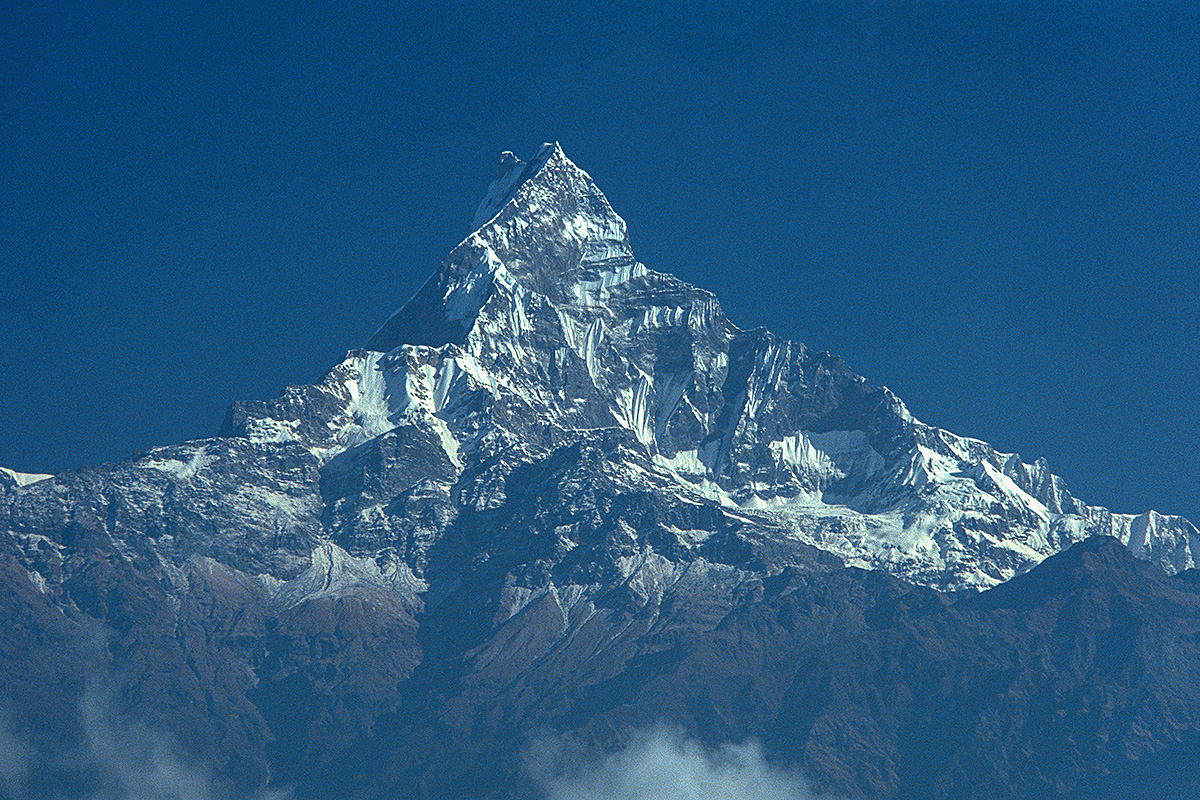
Machhapuchhare from Damphus
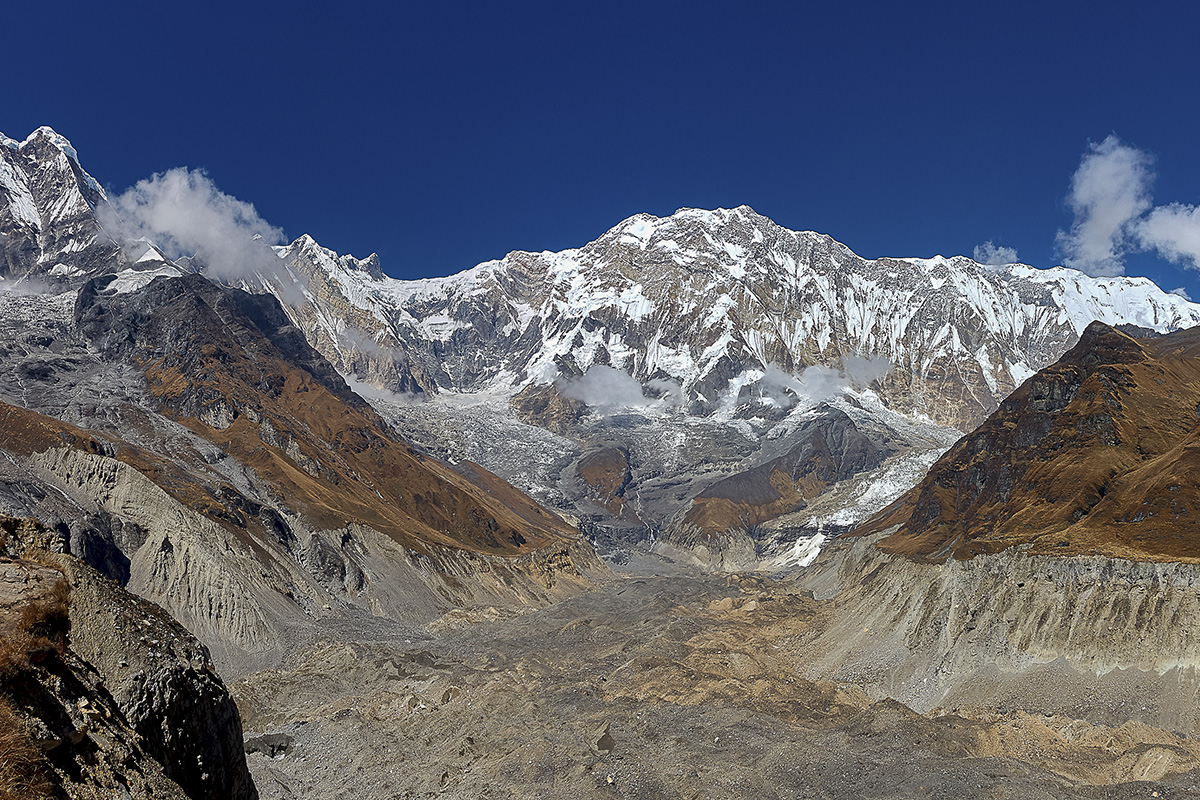
Annapurna 1 South Face from Base Camp
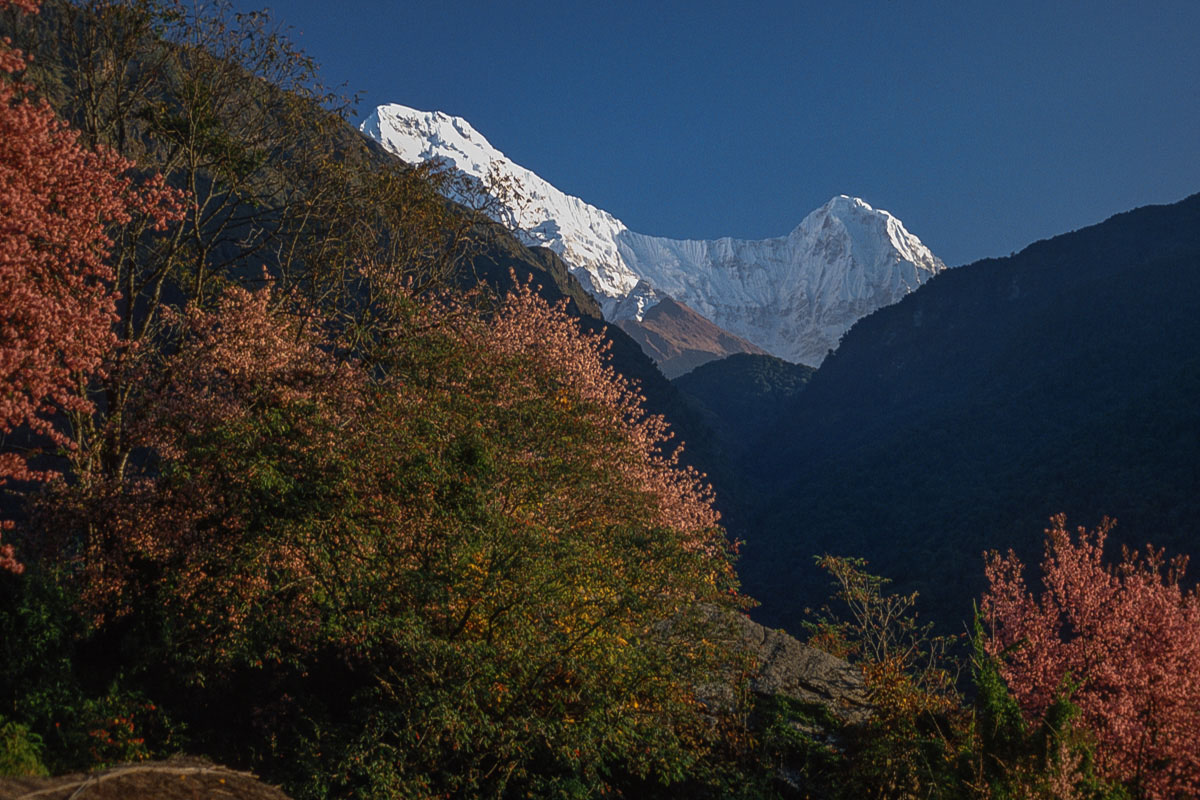
Annapurna South and Hiun Chuli from Ulleri
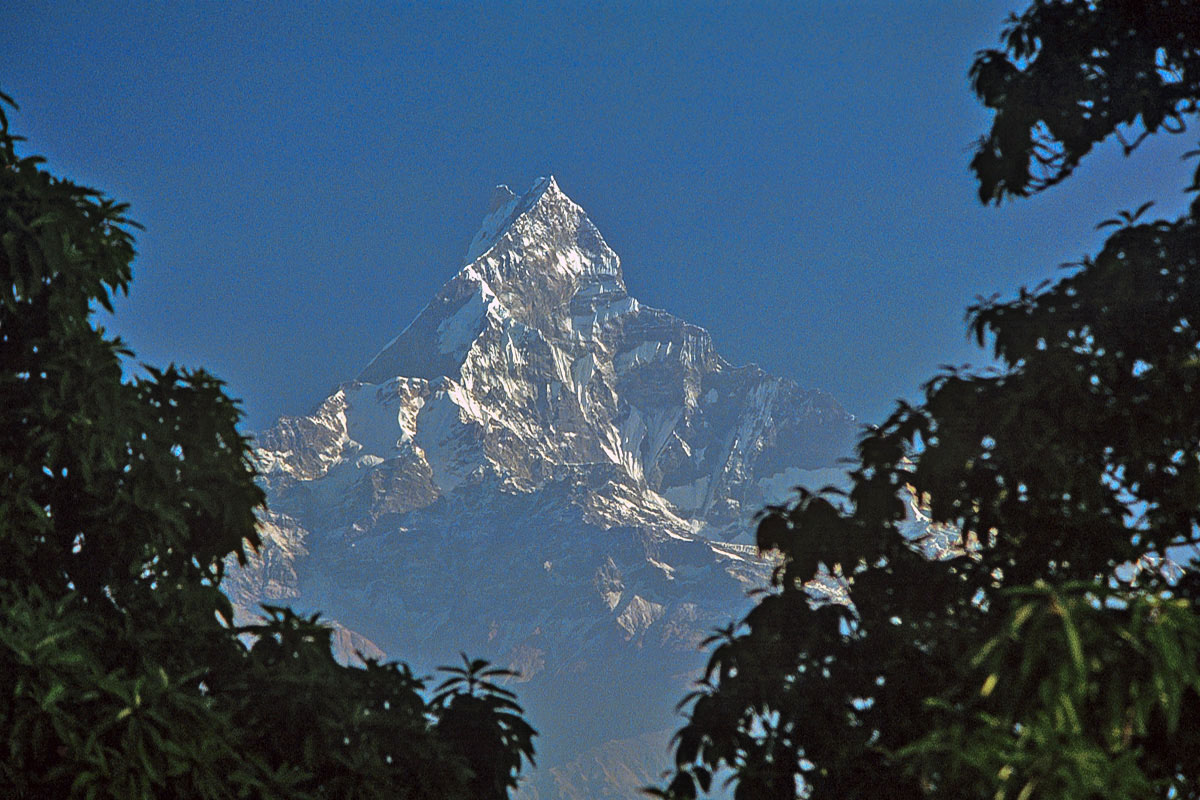
Machhapuchhare from Damphus

Machhapuchhare from Chomrong

Machhapuchhare from Base Camp
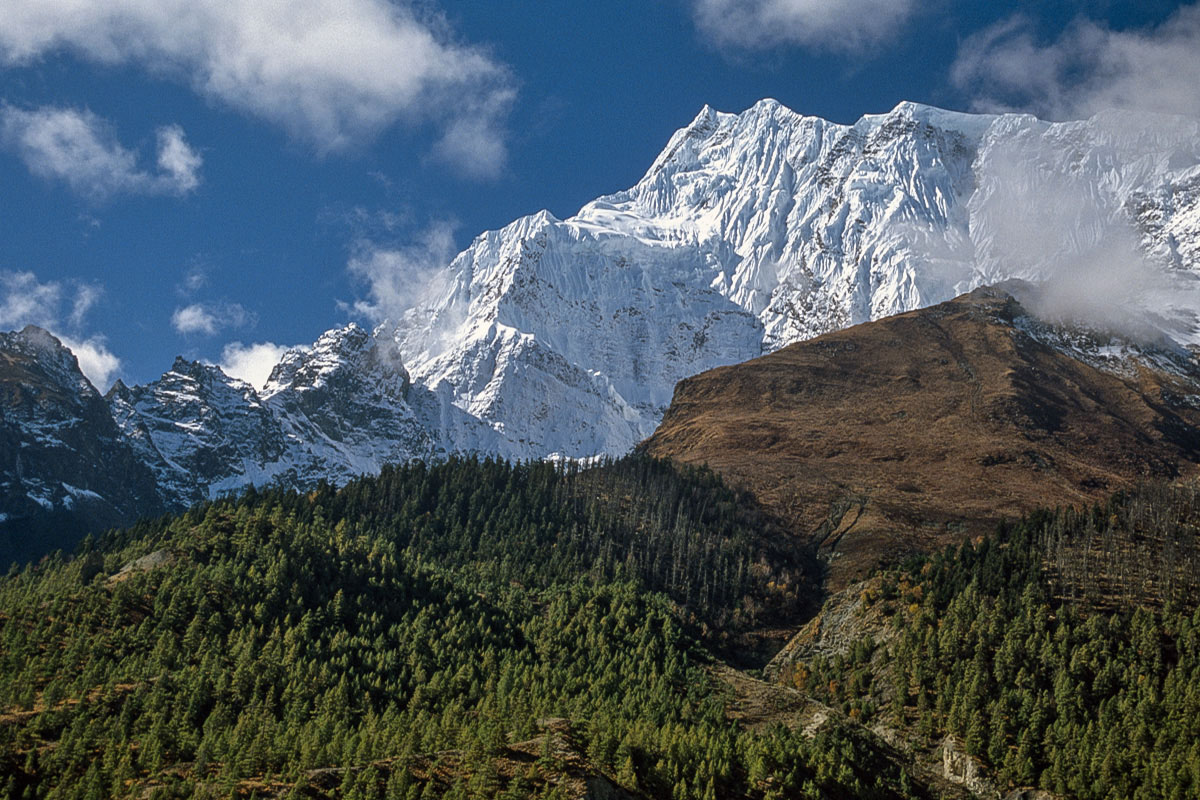
Annapurna 3 from Braga Village
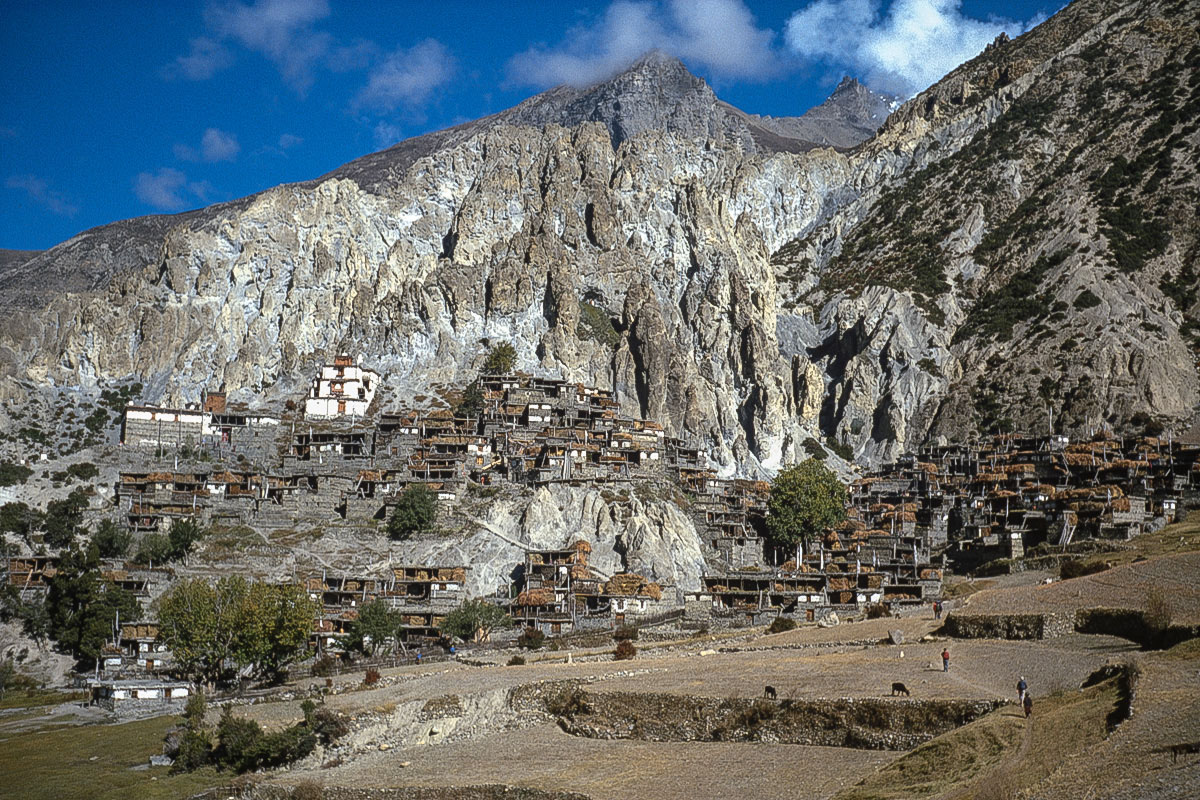
Braga Village
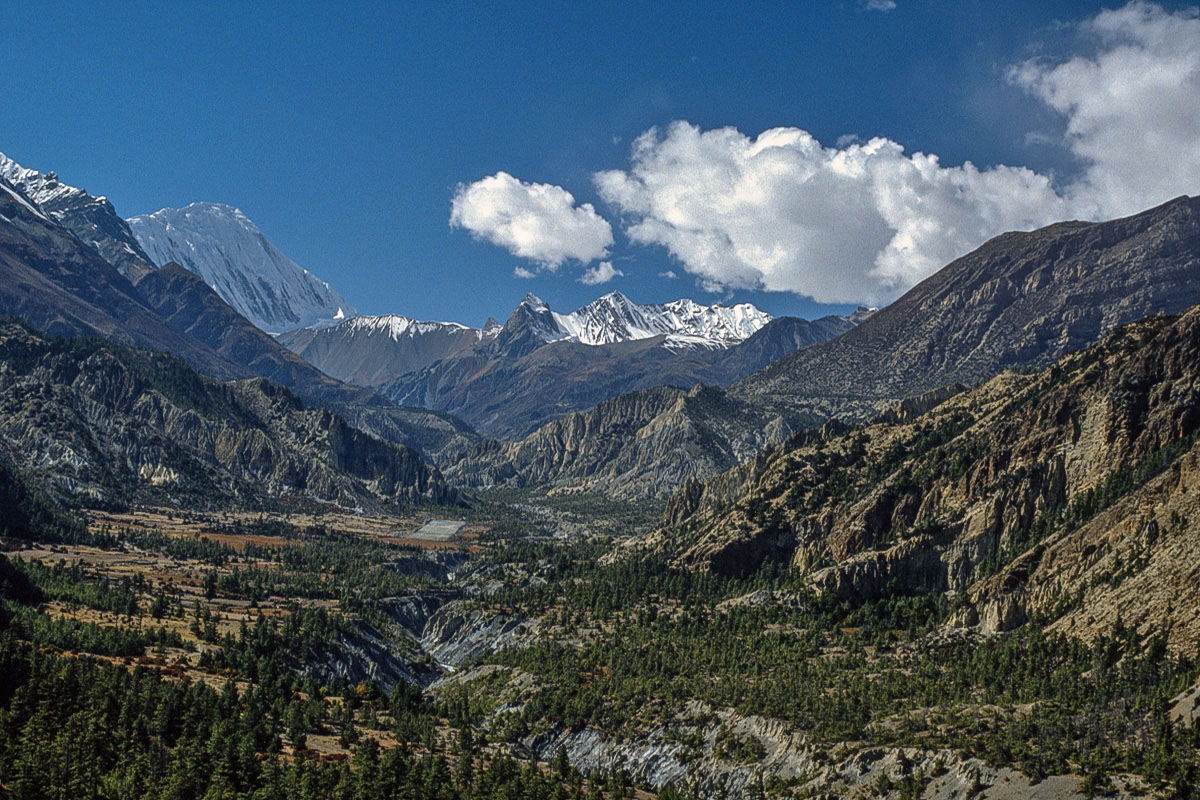
The Manang Valley
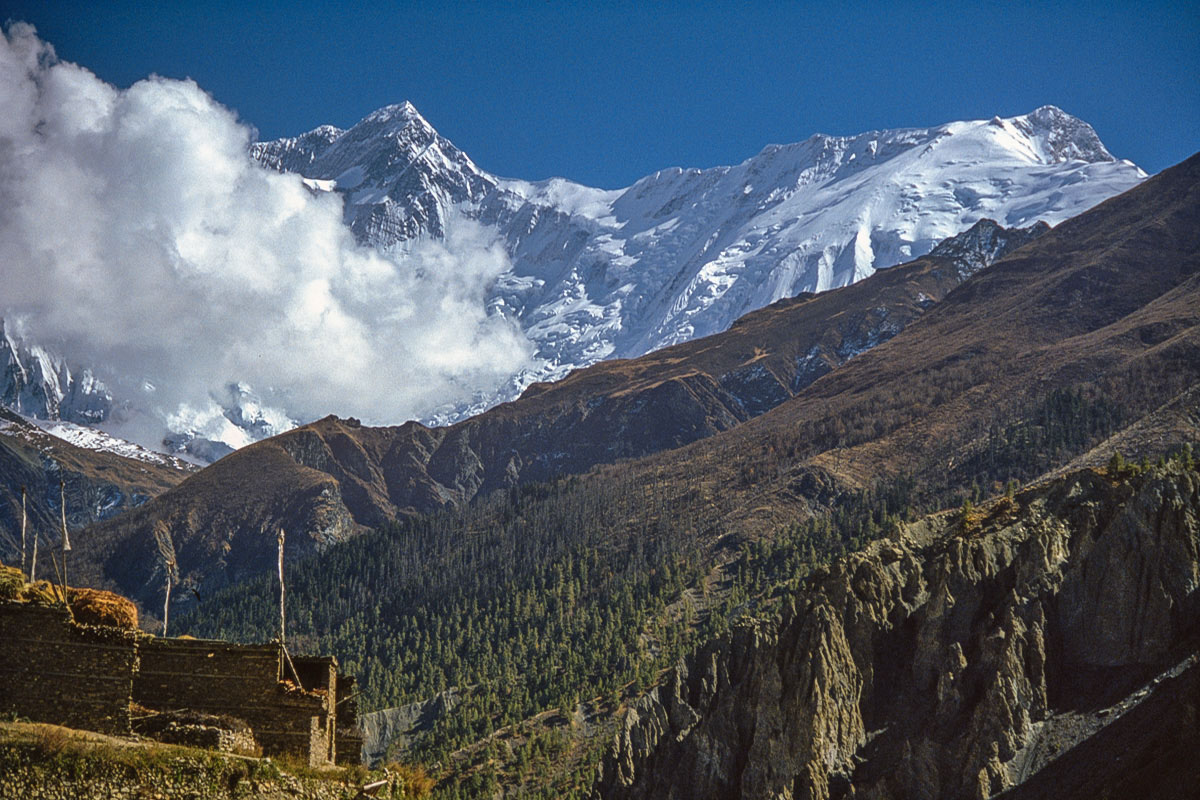
Annapurna 2 and Annapurna 4 from Manang
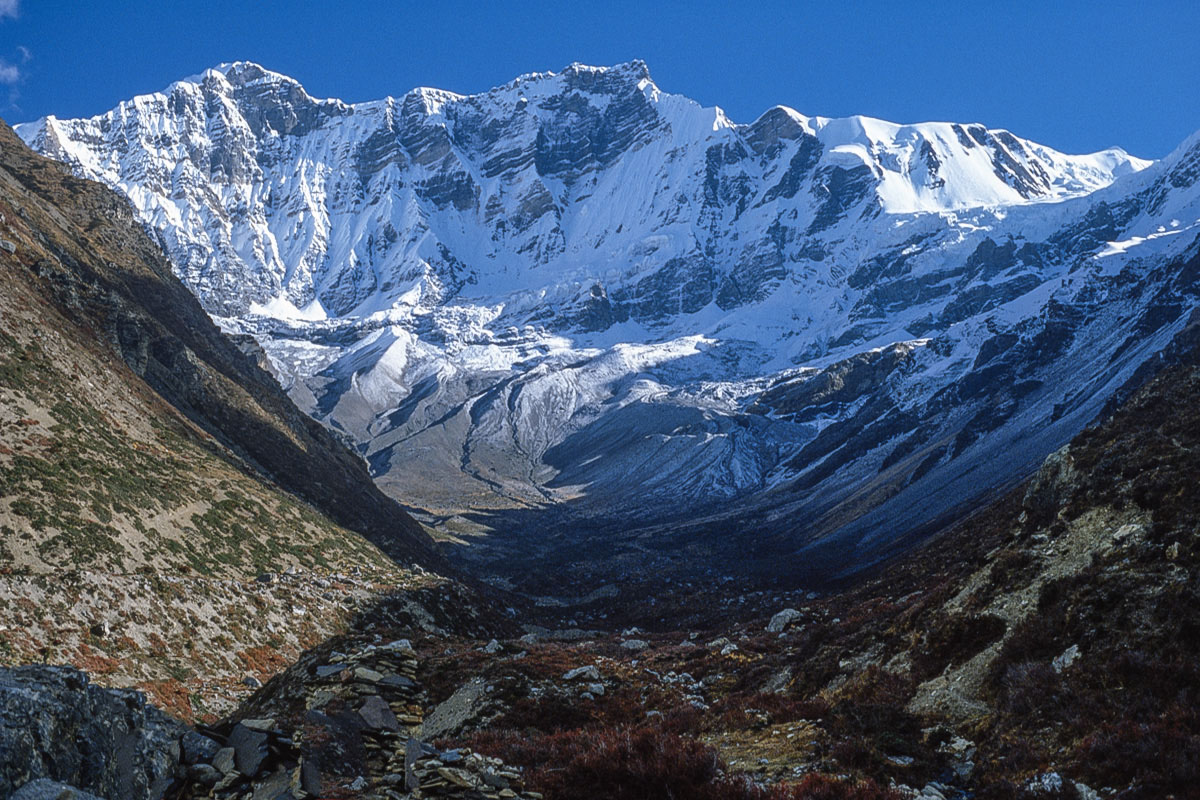
The Chhulu Peaks from Thorong Phedi
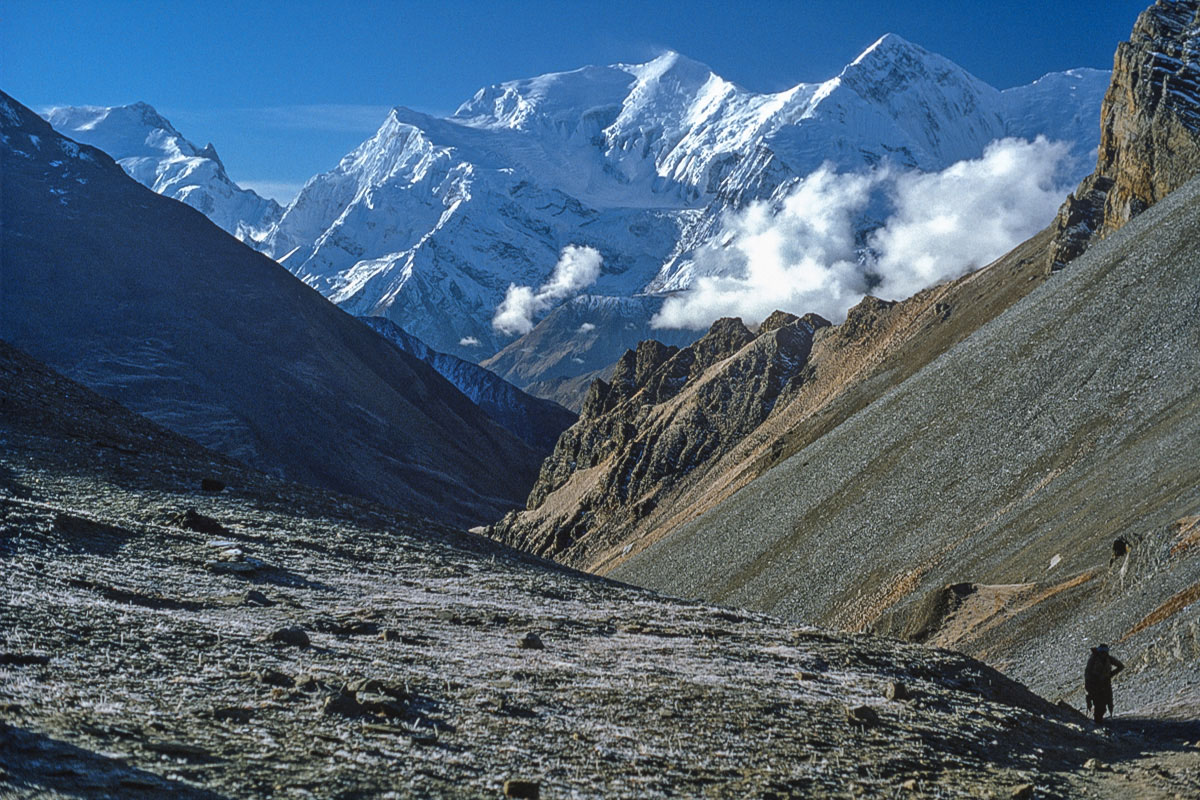
The Annapurnas from The Thorong La
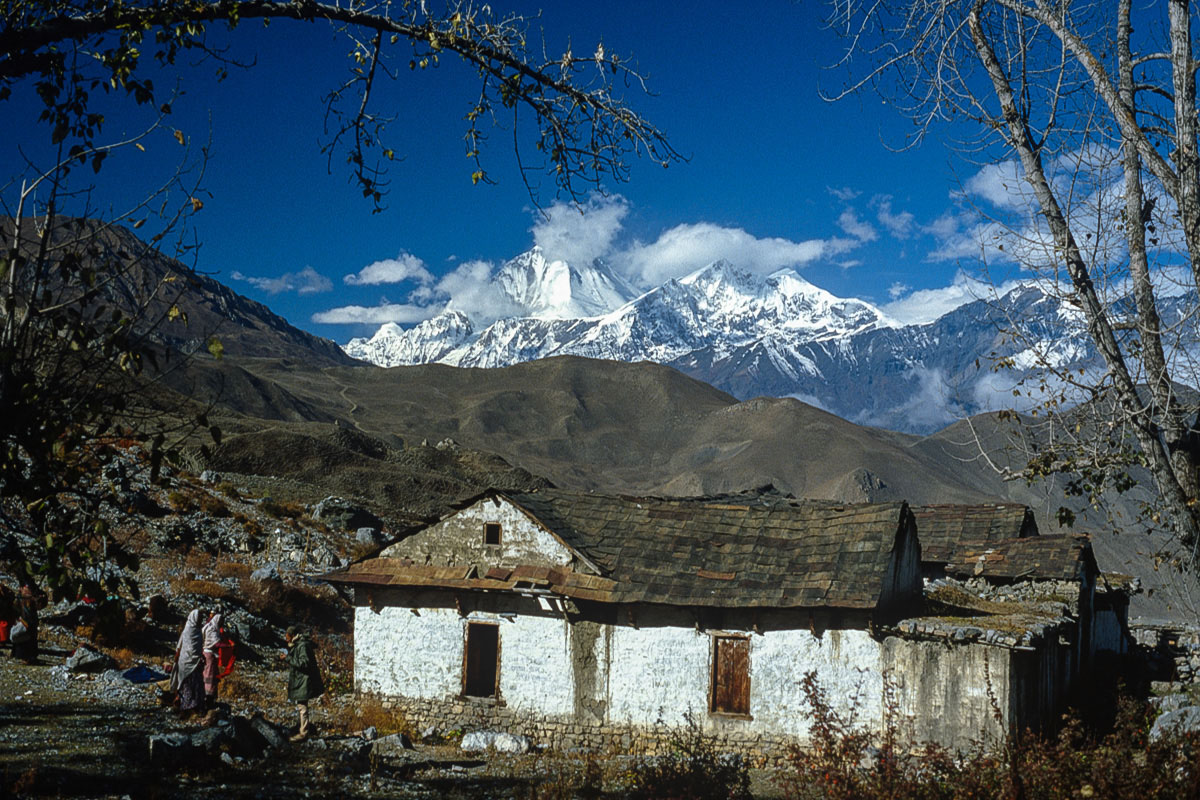
Dhaulagiri from Muktinath
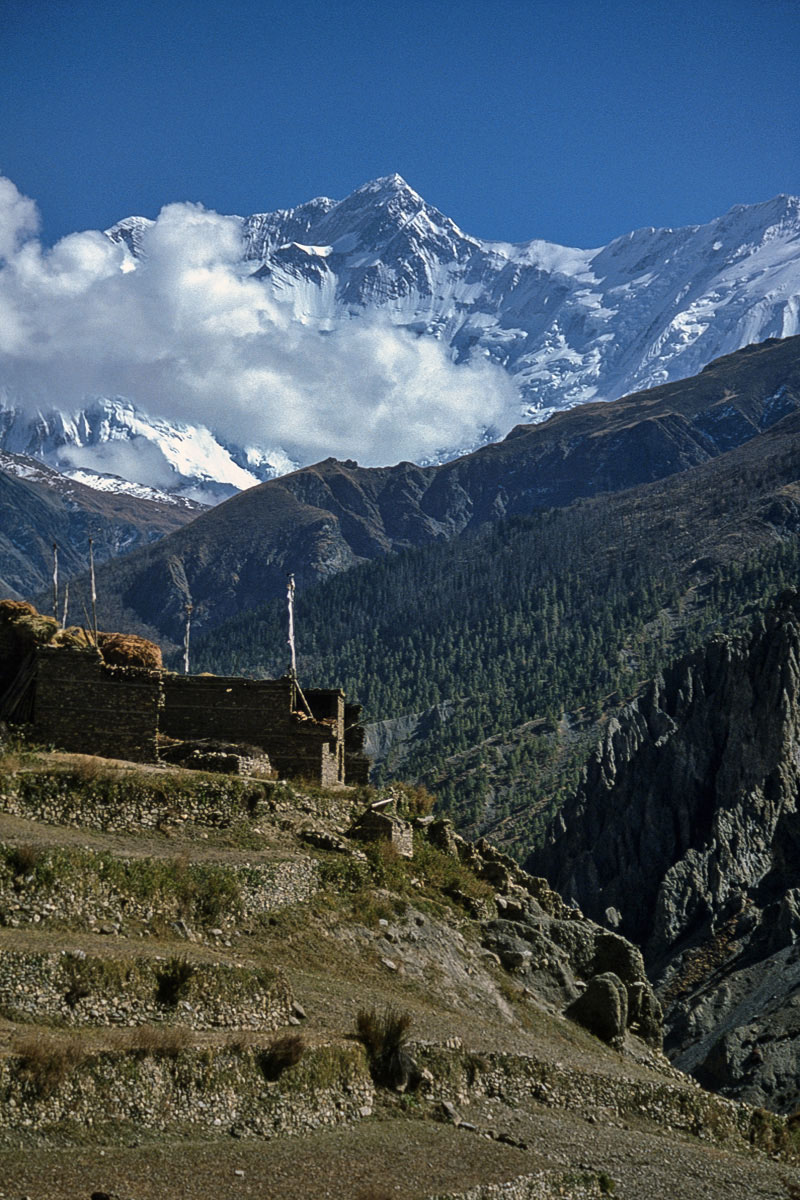
Annapurna 2 from Manang
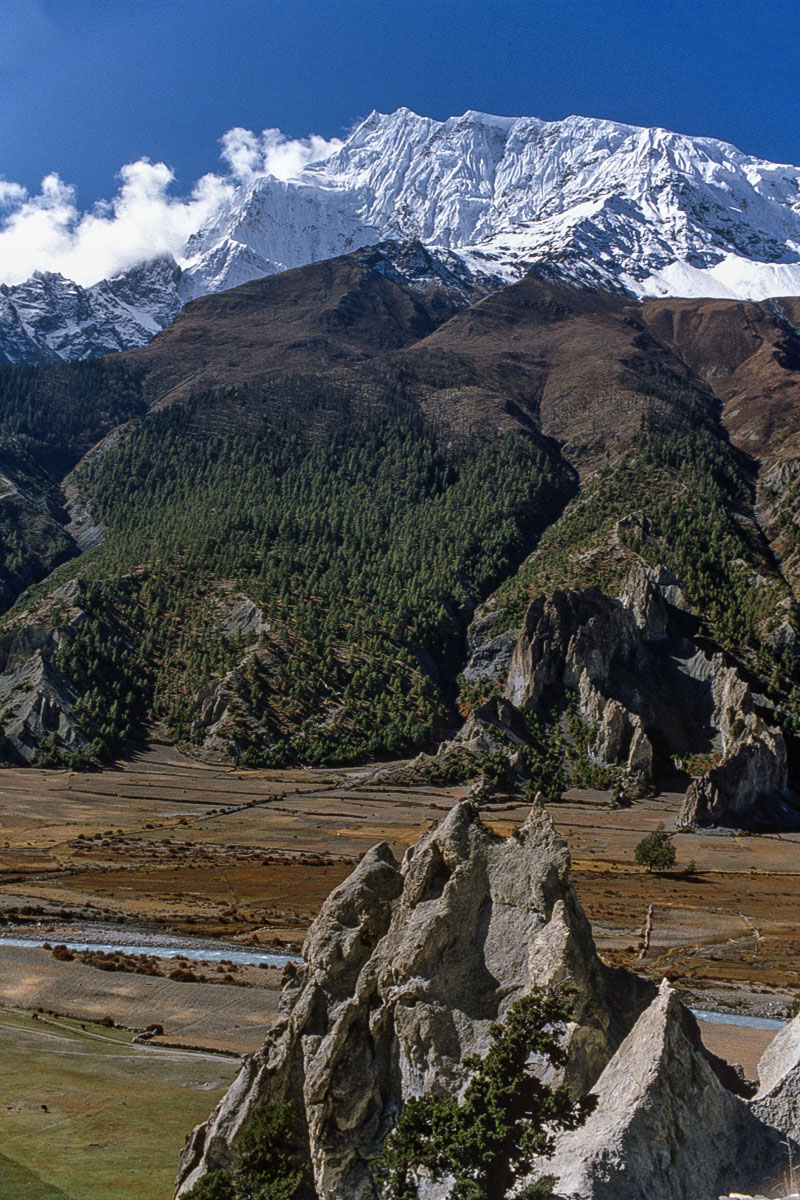
Annapurna 3 from Braga Village
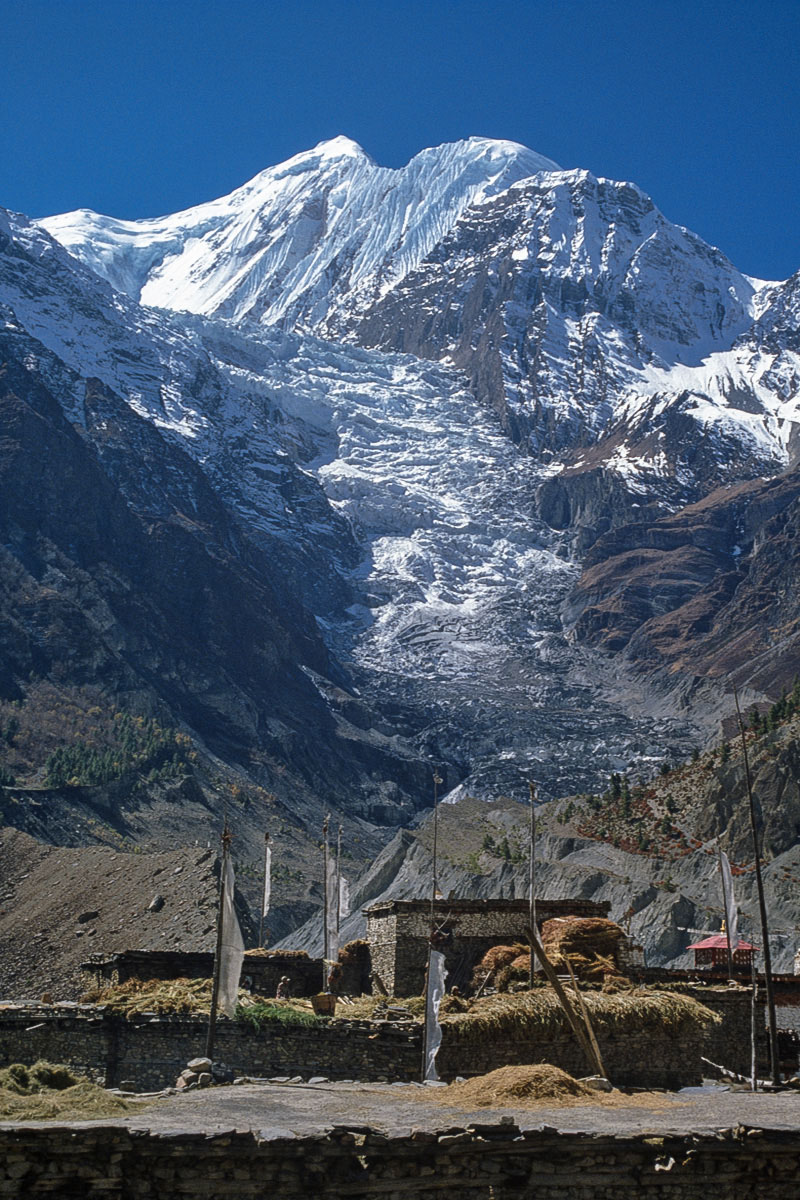
Gangapurna and Icefall from Manang
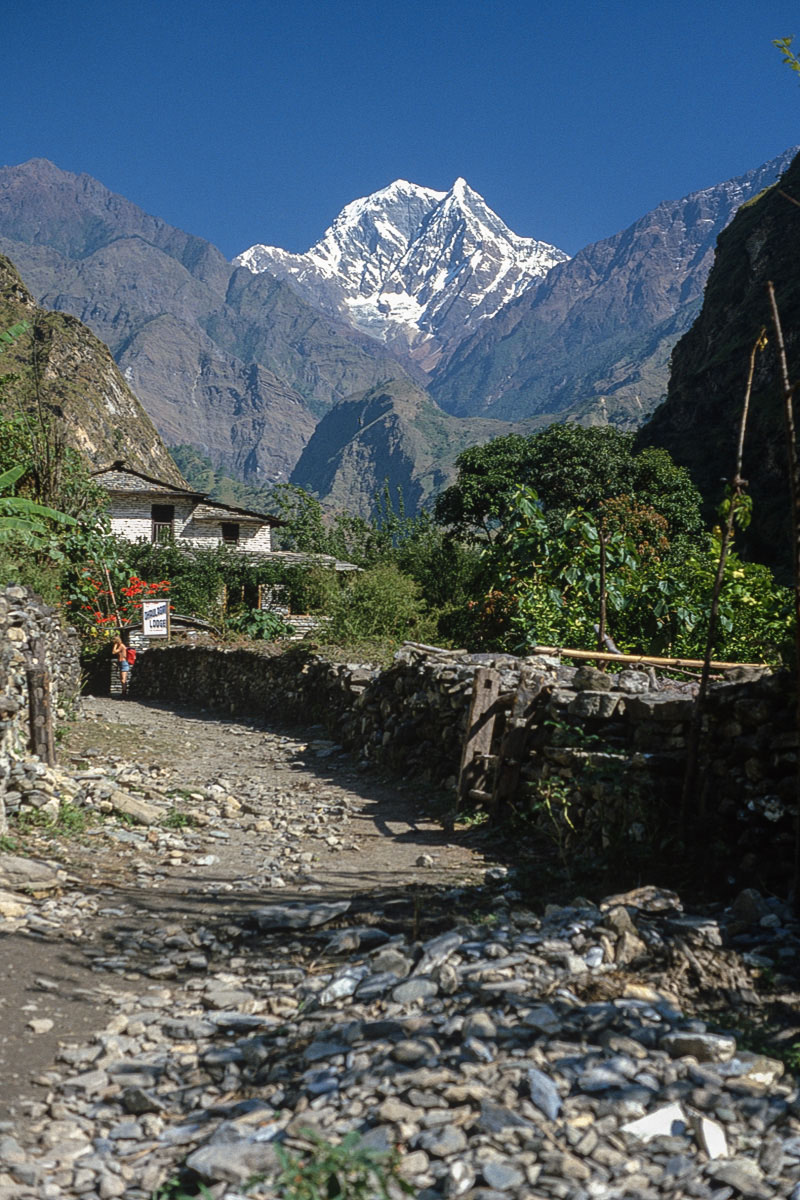
The Nilgiris from the Kali Gandaki
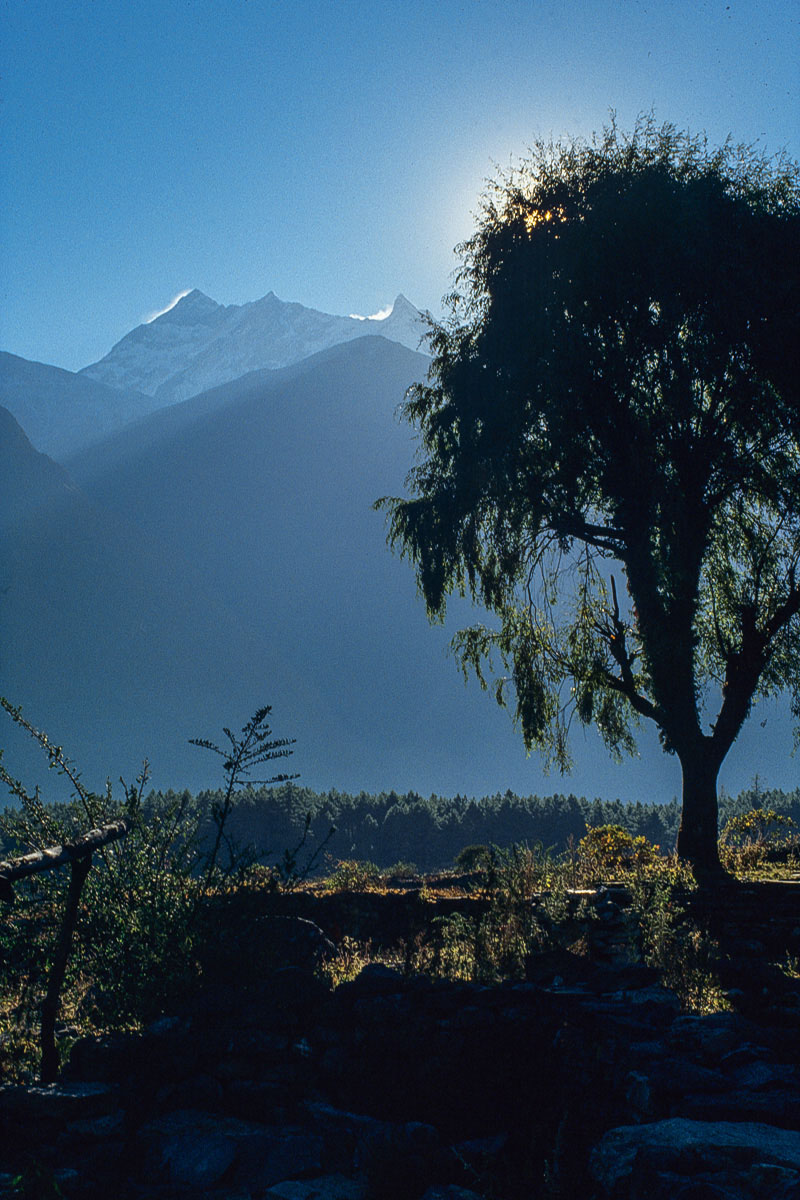
Annapurna 1 from Lete

Machhapuchhare from Naudanda
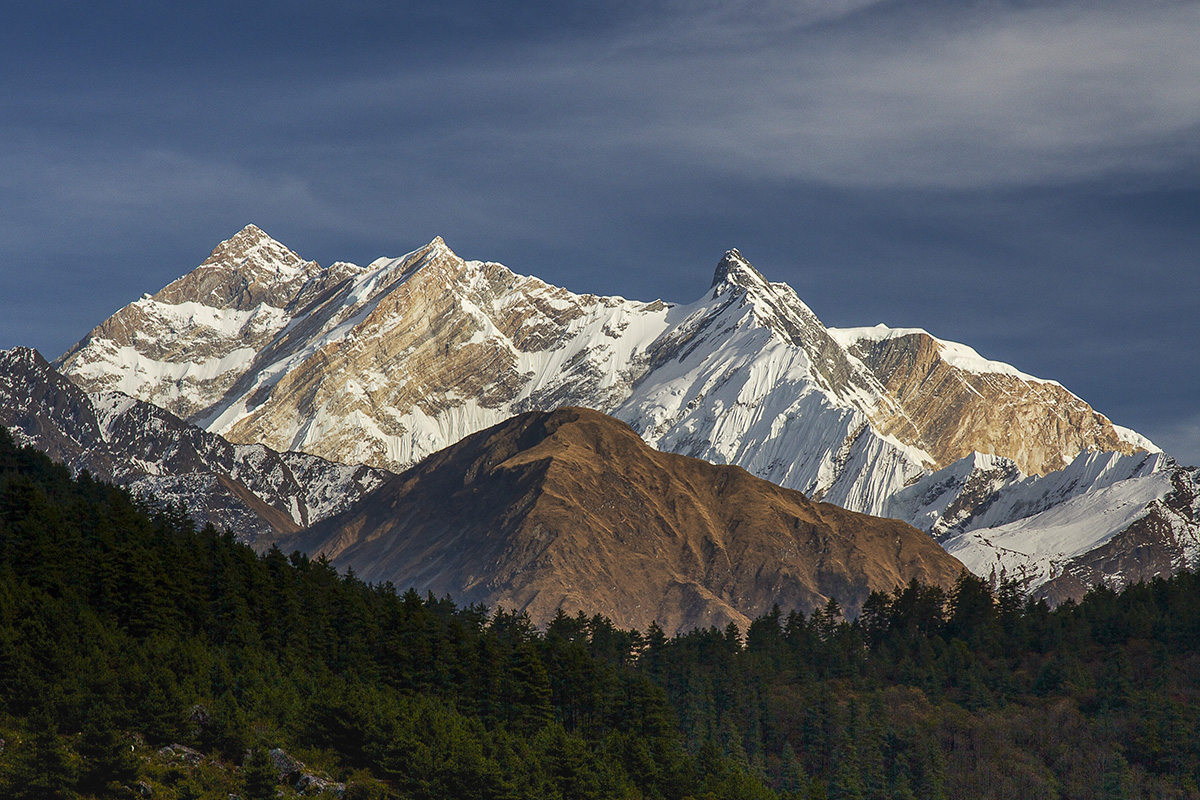
Annapurna 1 and Annapurna Fang from Lete