
The Kangchenjunga Himalaya
Images of the Kangchenjunga Himalaya from Nepal and Sikkim
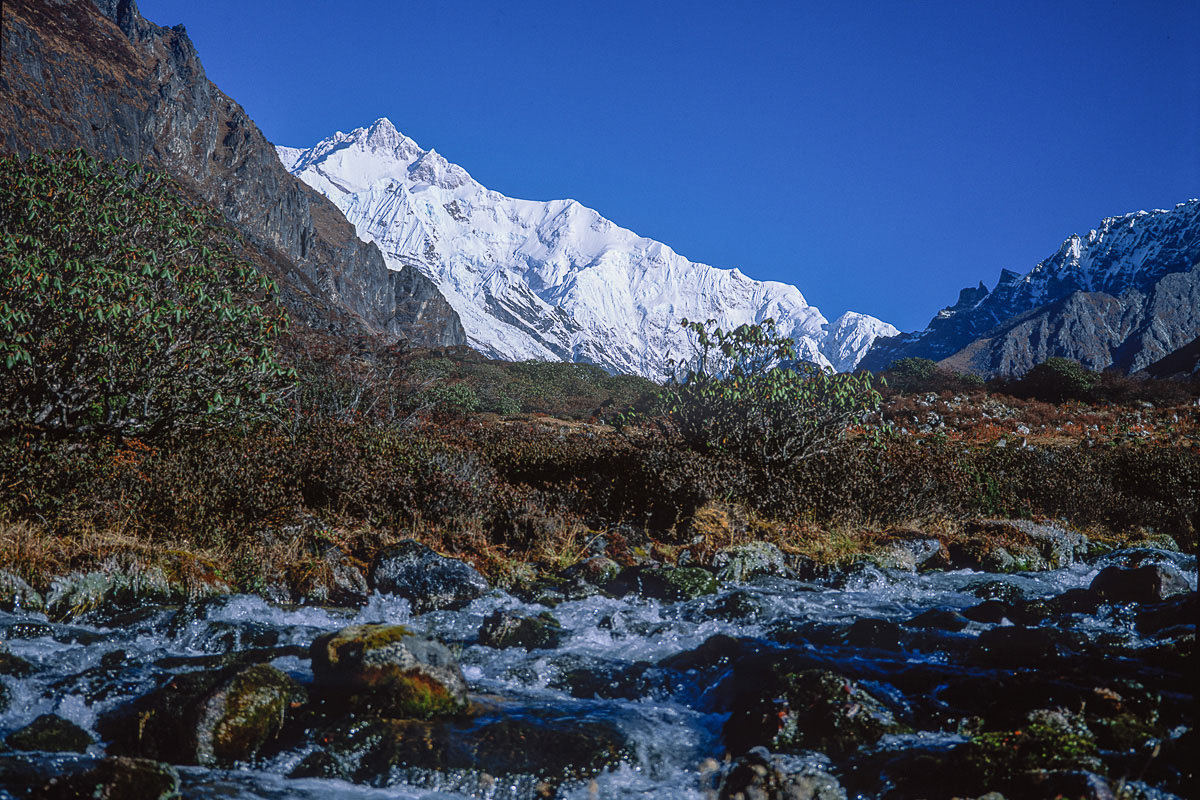
Kangchenjunga is the third highest mountain in the world and rises to an elevation of 8586m (28,169 ft) in a section of the Himalayas bounded in the west by the Tamur River, in the north by the Lhonak Chu and Jongsang La, and in the east by the Teesta River. Its name is of Tibetan origin and means “The five great treasures of the high snows”. Kangchenjunga rises about 20km south of the general alignment of the Great Himalayan range about 125km east of Mount Everest. The mountain’s eastern aspect was a familiar sight to visitors to Darjeeling and until 1849 Kangchenjunga was thought to be the highest mountain in the world.
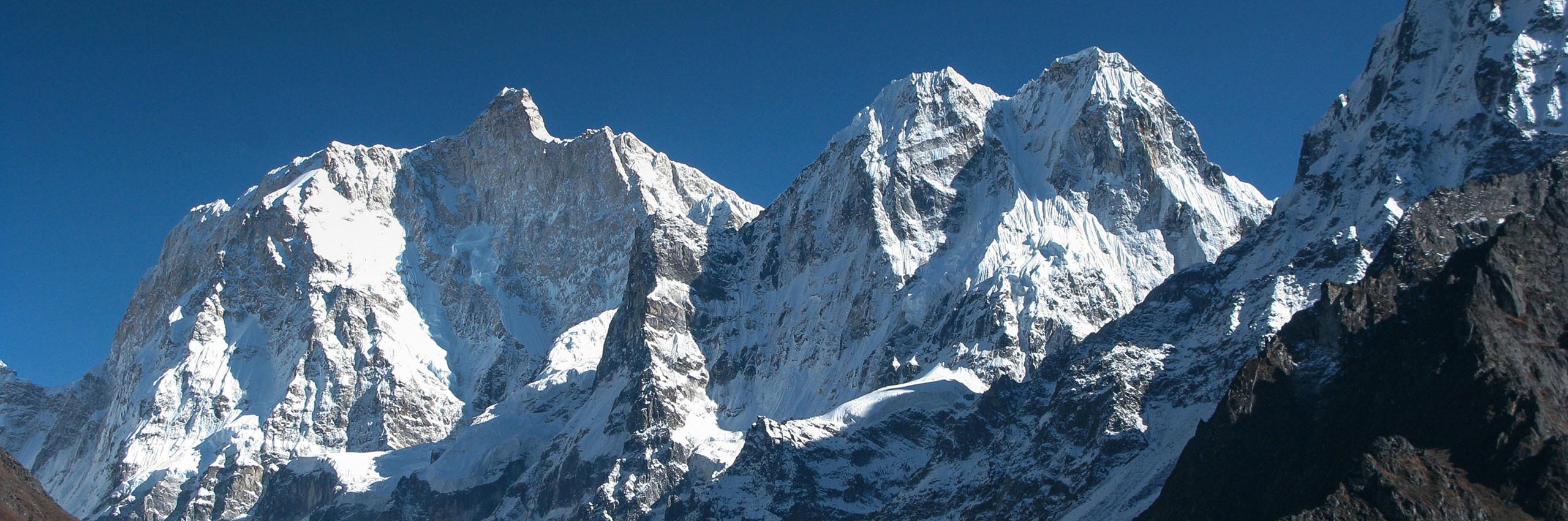
The entire Kangchenjunga Himal stands both in Nepal and the state of Sikkim in northern India; it is a huge and complex mountain massif, the main summit and satellites encompassing 16 peaks over 7,000 m (23,000 ft). The main ridge of the massif runs from north-northeast to south-southwest and together with ridges running roughly from east to west they form a giant cross. The western ridge culminates in the striking outlying peak of Kumbhakarna, also known as Jannu, 7710m (25,300 ft); the northern section includes Yalung Kang, Kangchenjunga Central, Kangchenjunga South and Kangbachen and runs up to the Jongsang La. The eastern ridge in Sikkim includes the handsome if smaller summit of Siniolchu whilst the southern section which includes Kabru runs southwards along the Singalila Ridge and the Nepal-Sikkim border.
The photographs included in this section of the library were captured during two pioneering trekking expeditions. The first, entirely within the borders of Nepal, was to the Yalung and Kangchenjunga glacier systems and approached from the south west at the roadhead village of Phidim and then concluded through the Ghunsa Valley and Milke Danda ridge to the roadhead at Basantpur. The route connected the two valleys via the challenging 5,110 metre Lapang La Pass. The second expedition, within the borders of Sikkim, approached from Darjeeling and followed the Singalila Ridge along the Sikkim-Nepal border, over the 4,361 metre Danphe Bir Pass, and along the valley of the Prek Chhu to Samity Lake and the Goecha La Pass.
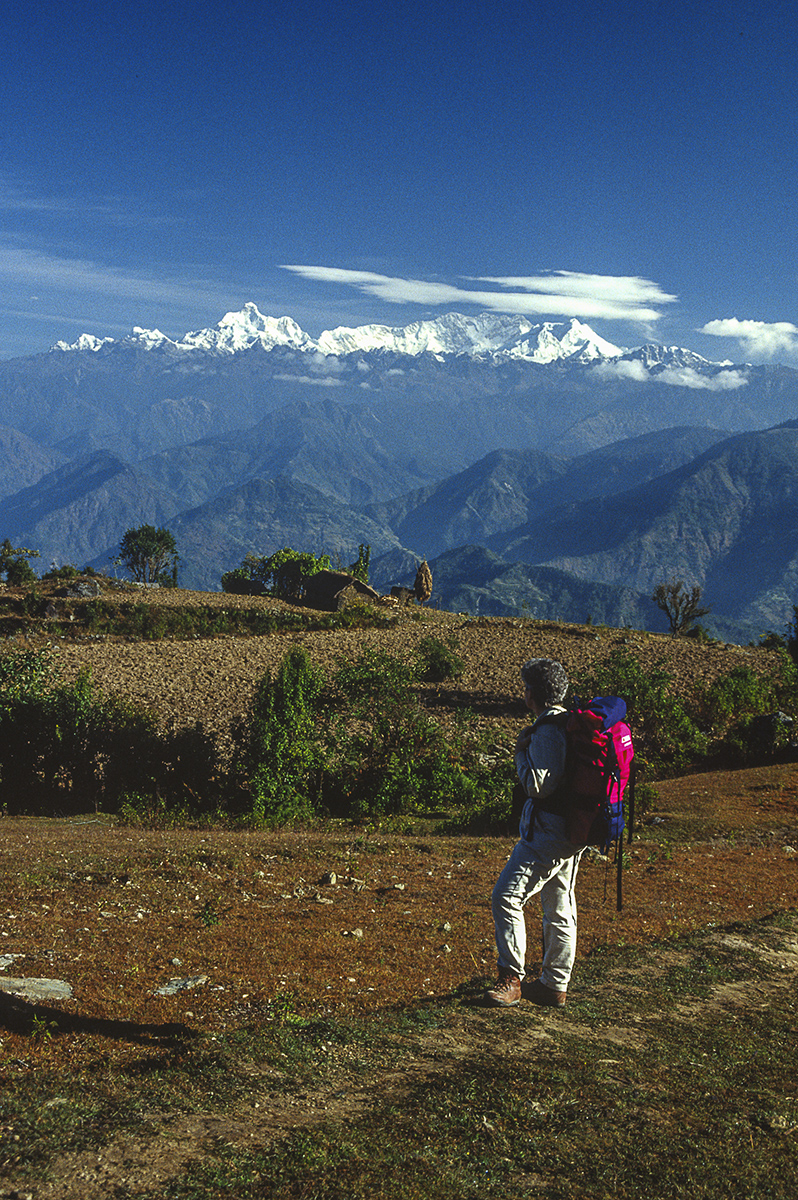
Kangchenjunga from Gopetar
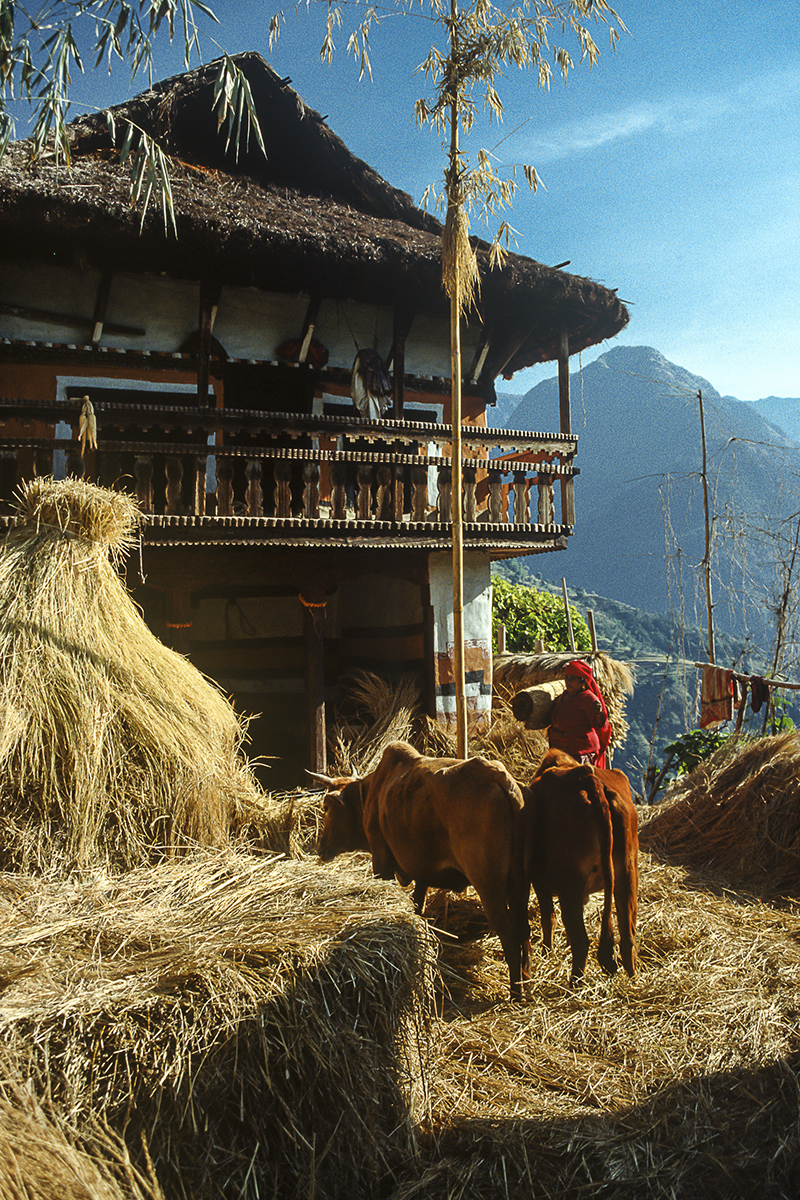
Tamur Valley Farmhouse
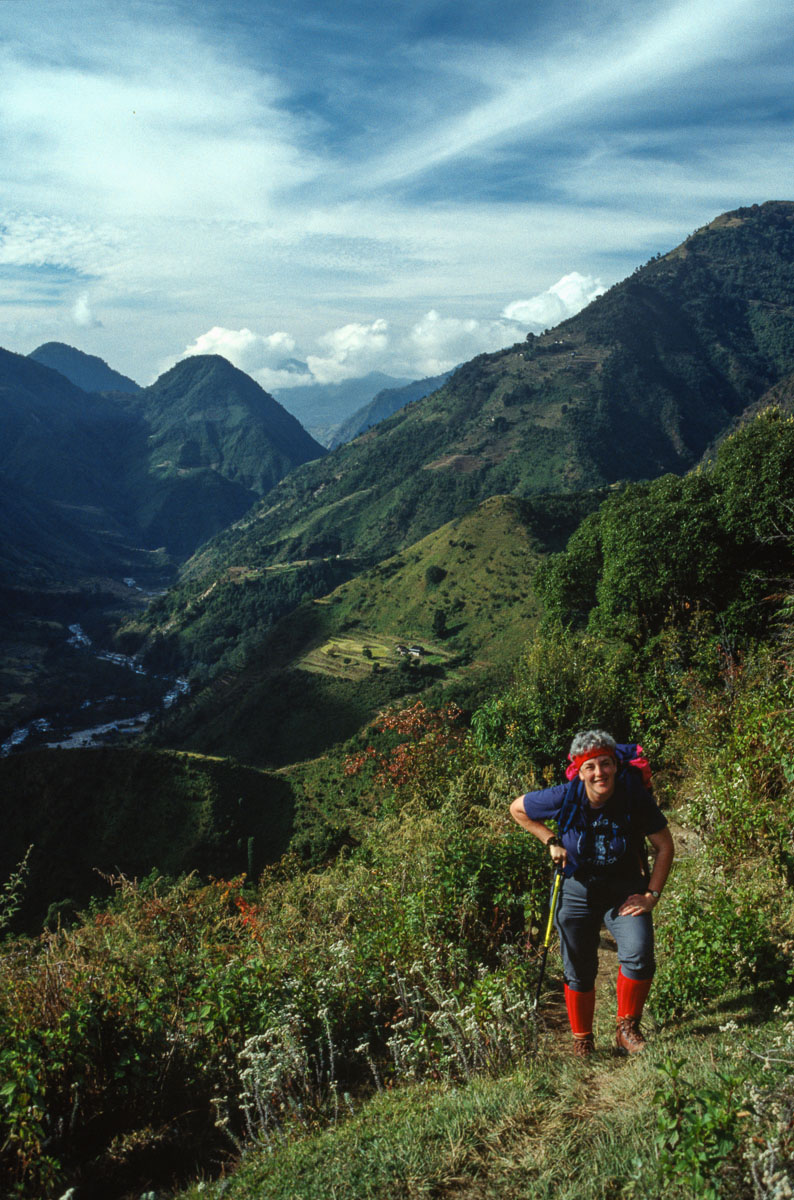
The trail above Yamphudin
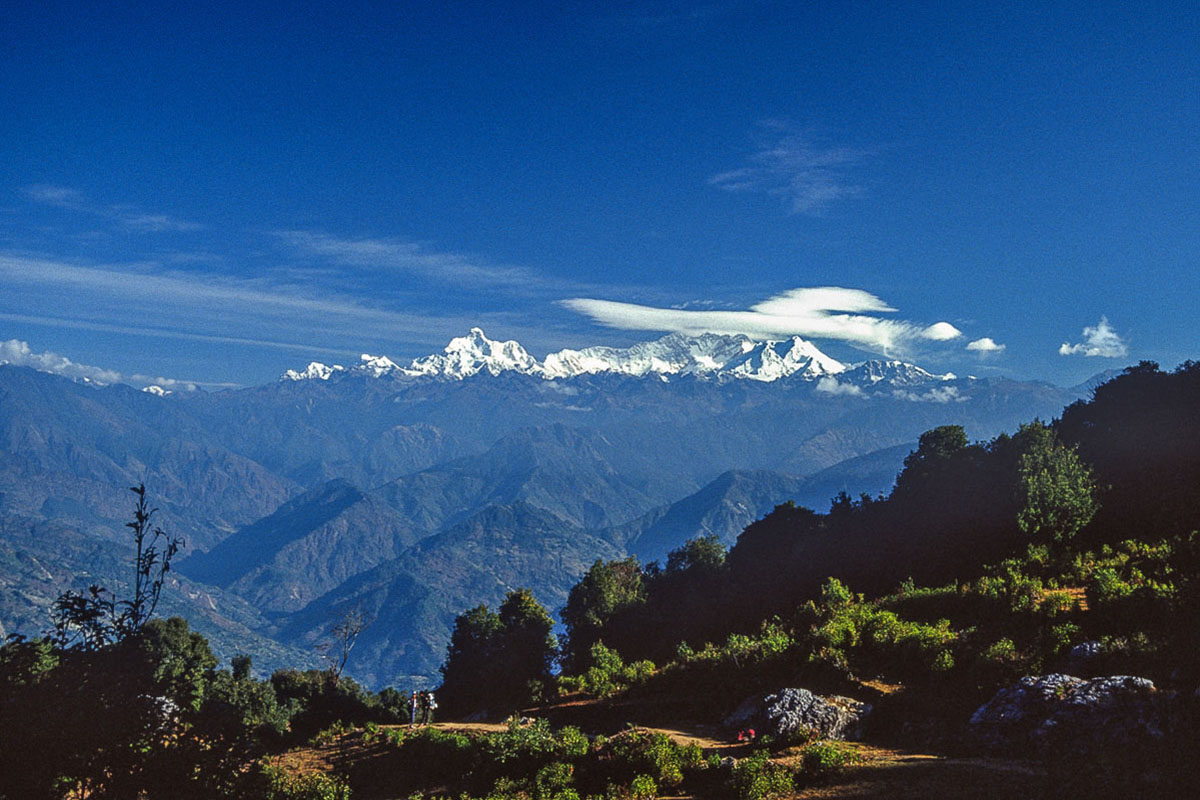
Kangchenjunga from Gopetar
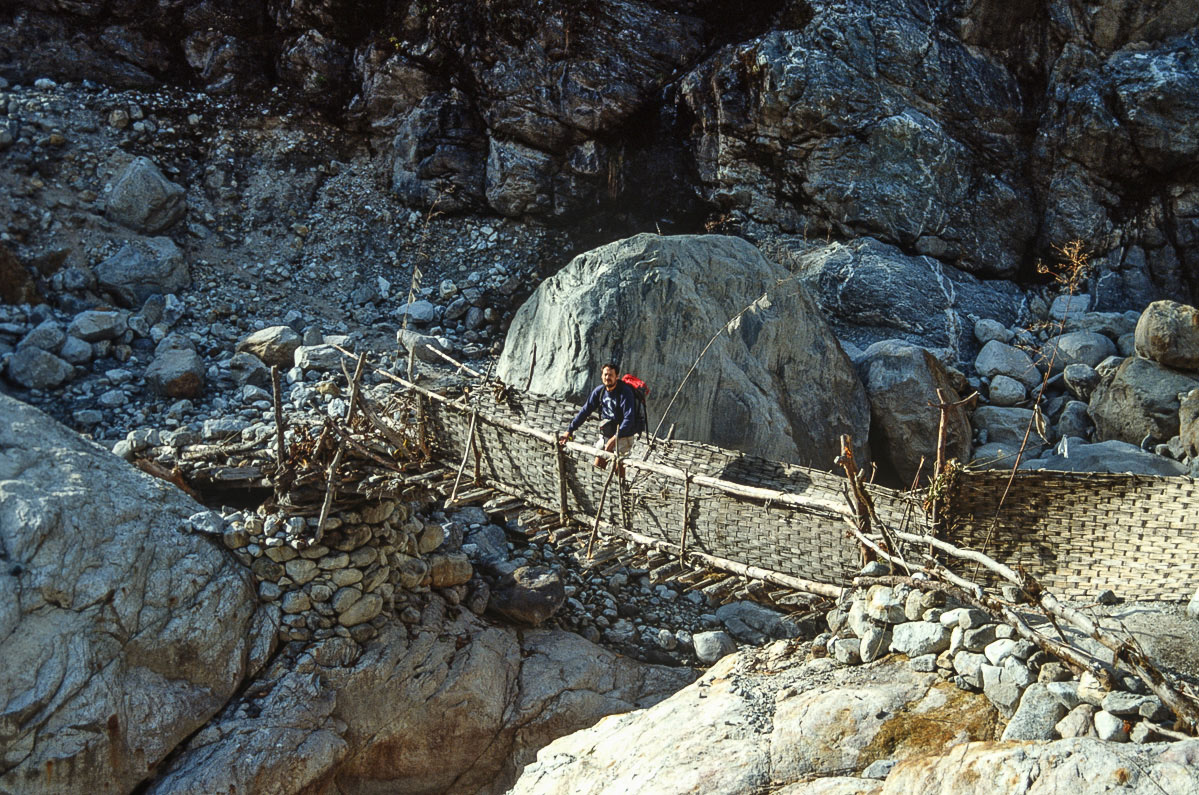
The Bridge below Tseram
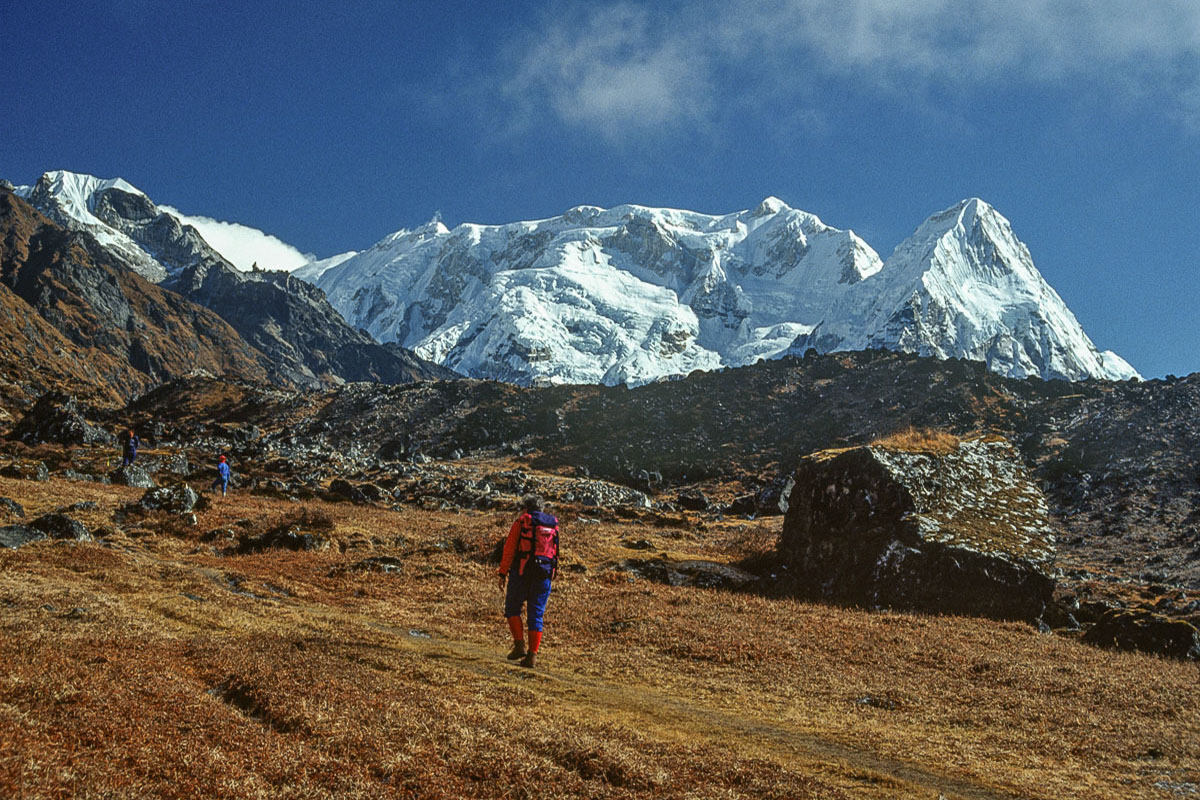
Rathong and Kabru peaks from Lapsang

Rathong and Koktang peaks from Lapsang

The Yalung Glacier at Lapsang
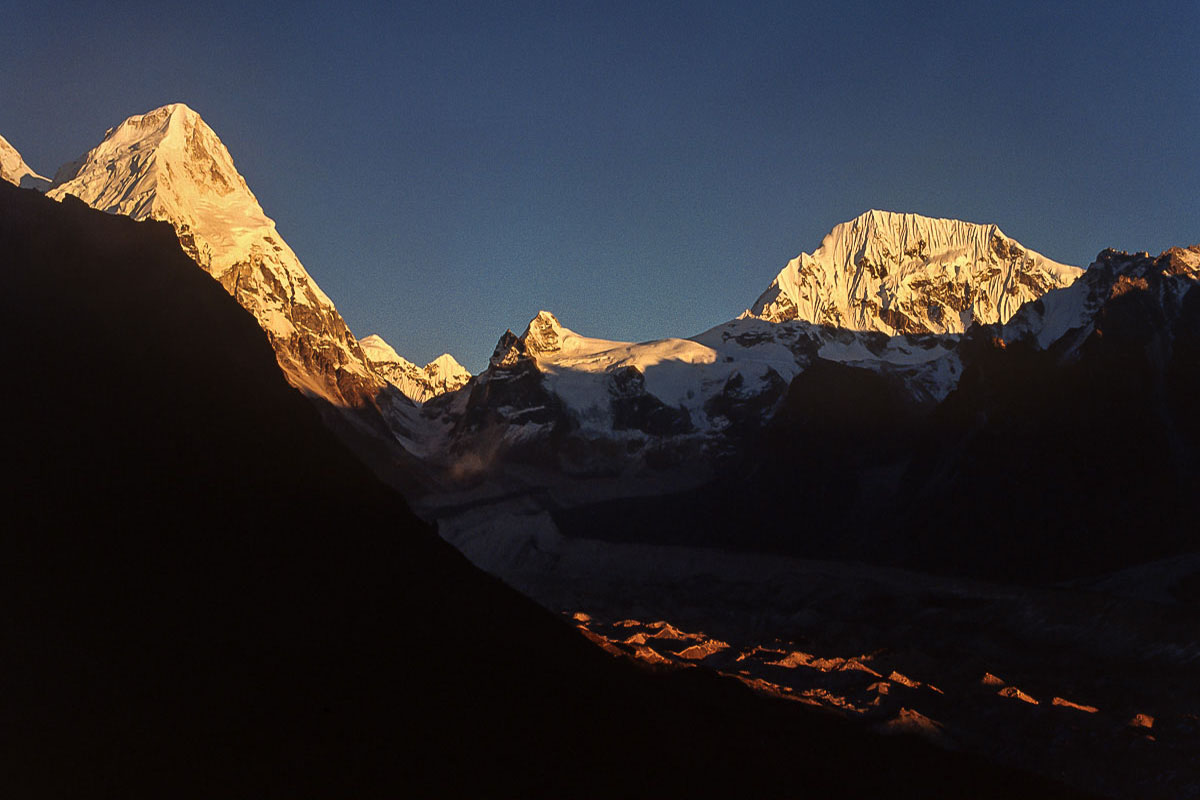
Sunset above Lapsang
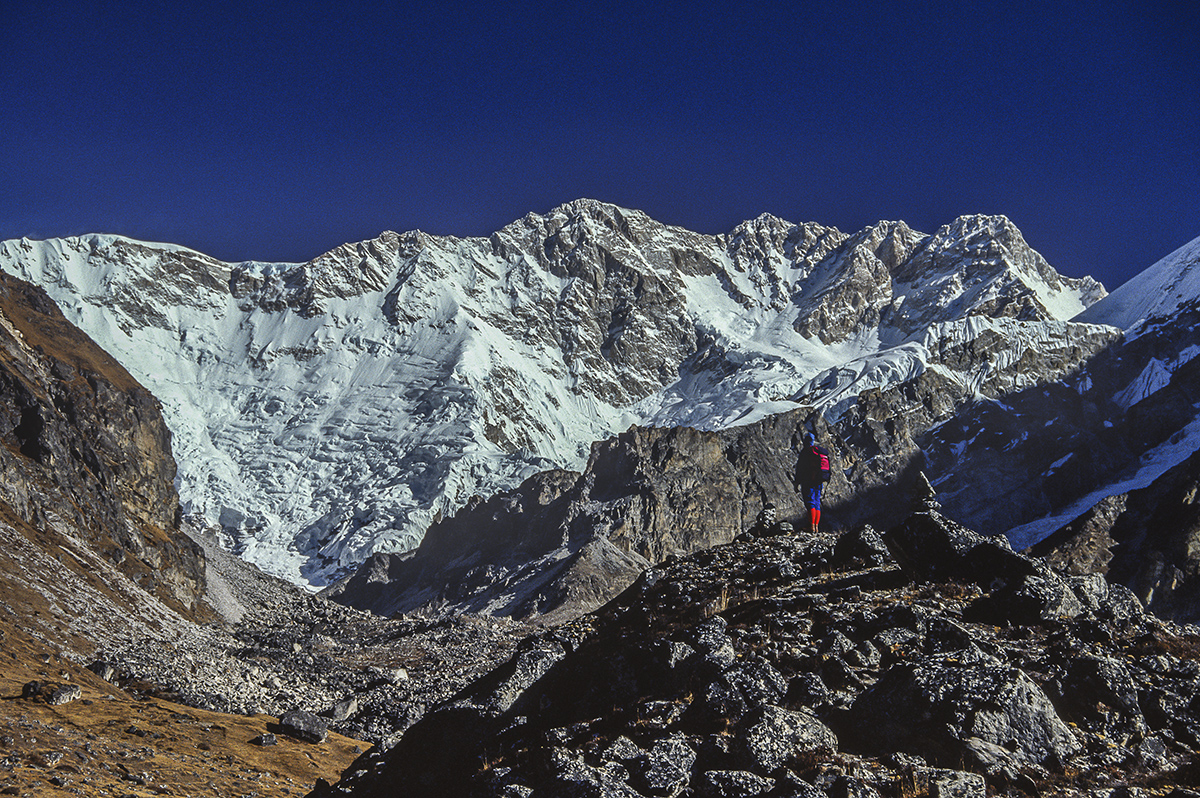
Kangchenjunga Yalung Face
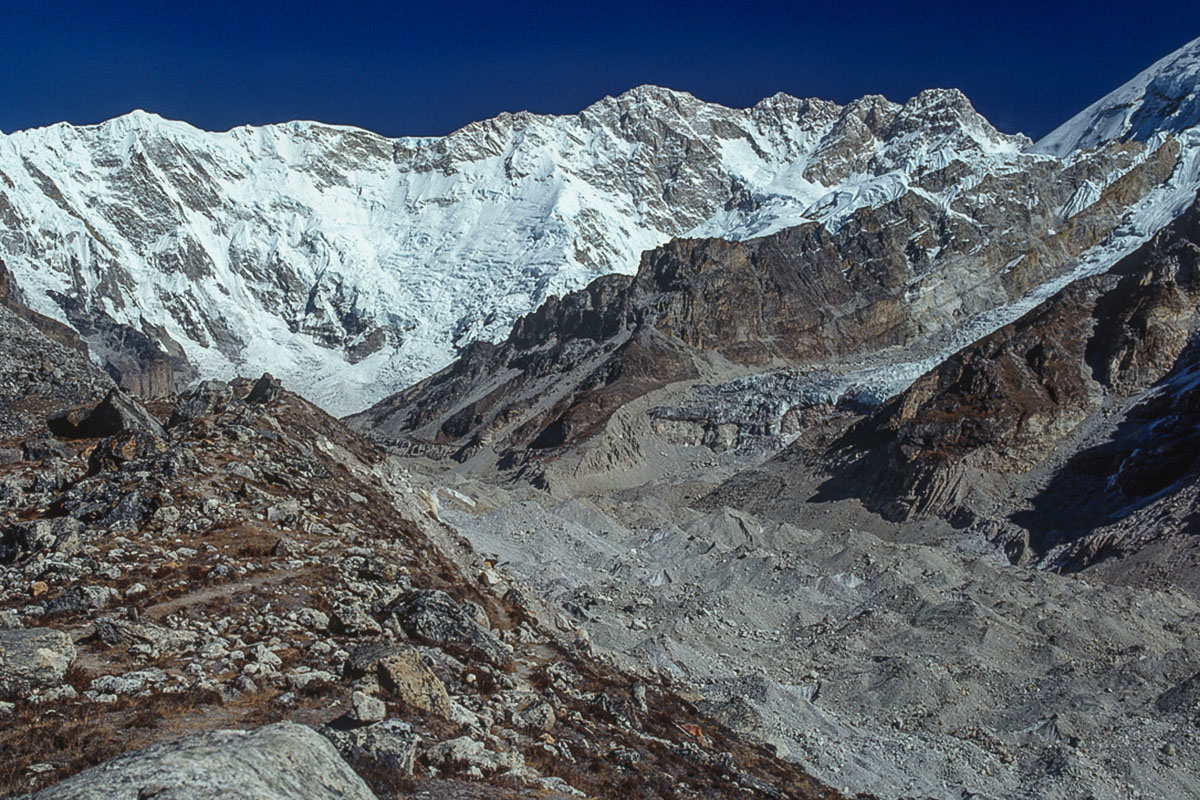
Kangchenjunga Yalung Face from Oktang
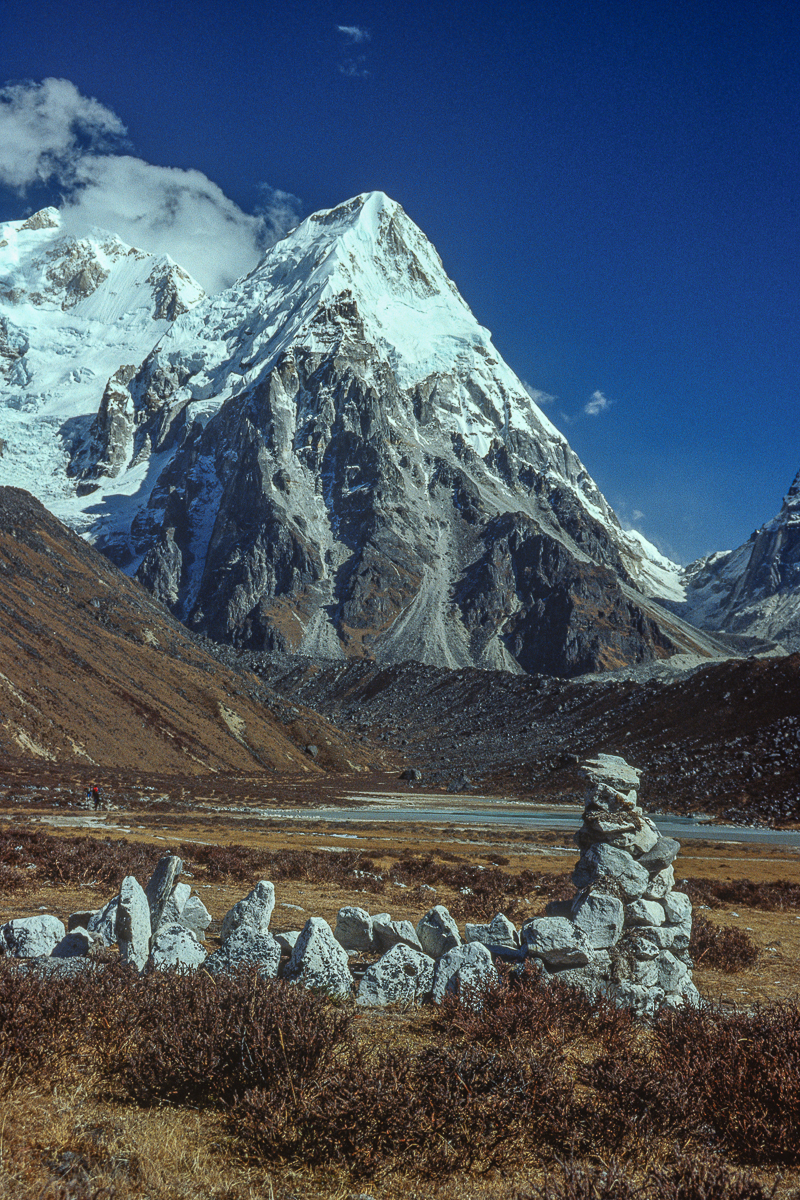
Rathong Peak from Lapsang
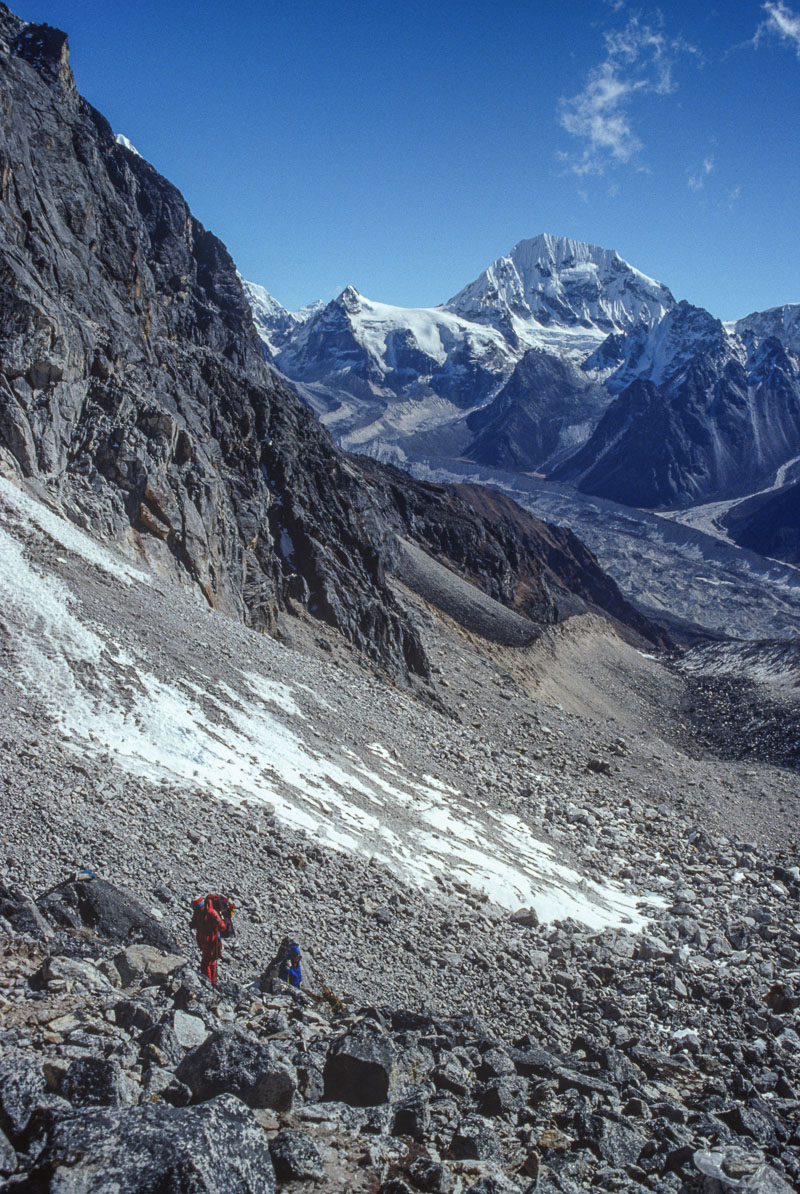
Ascending the east side of the Lapsang La Pass
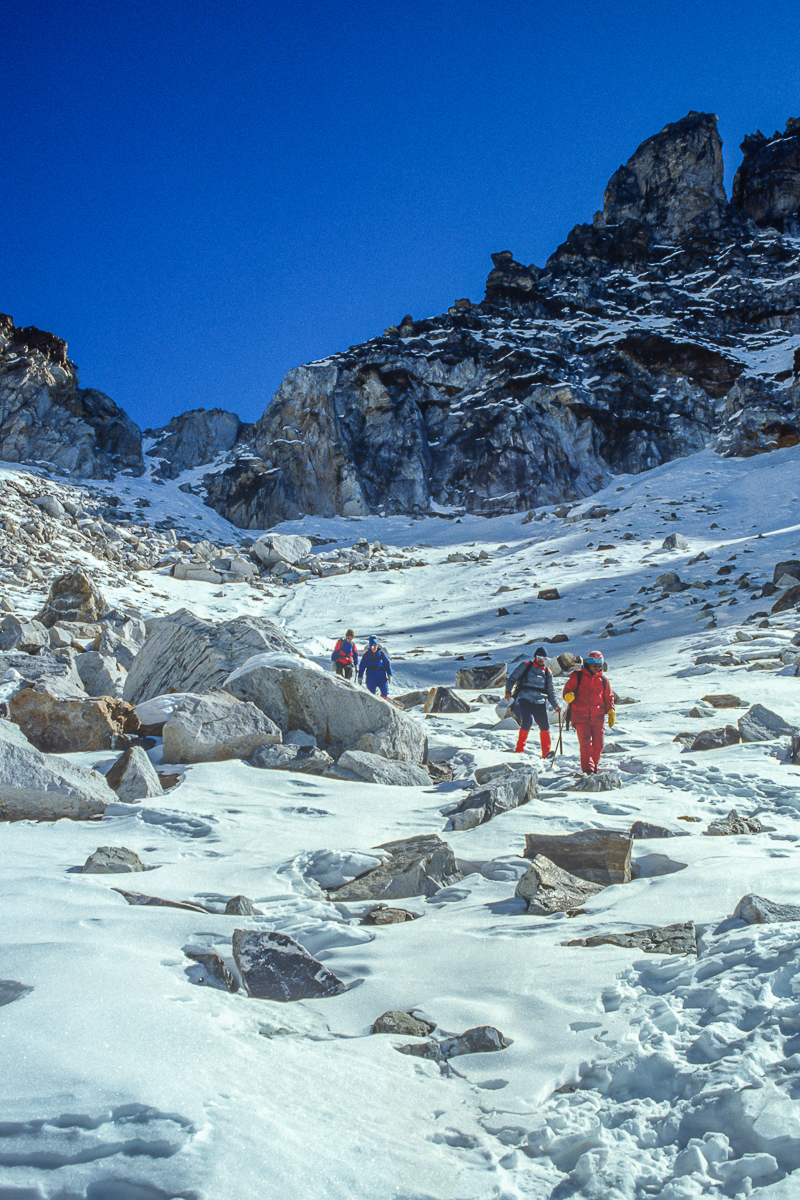
Descending the west side of the Lapsang La Pass
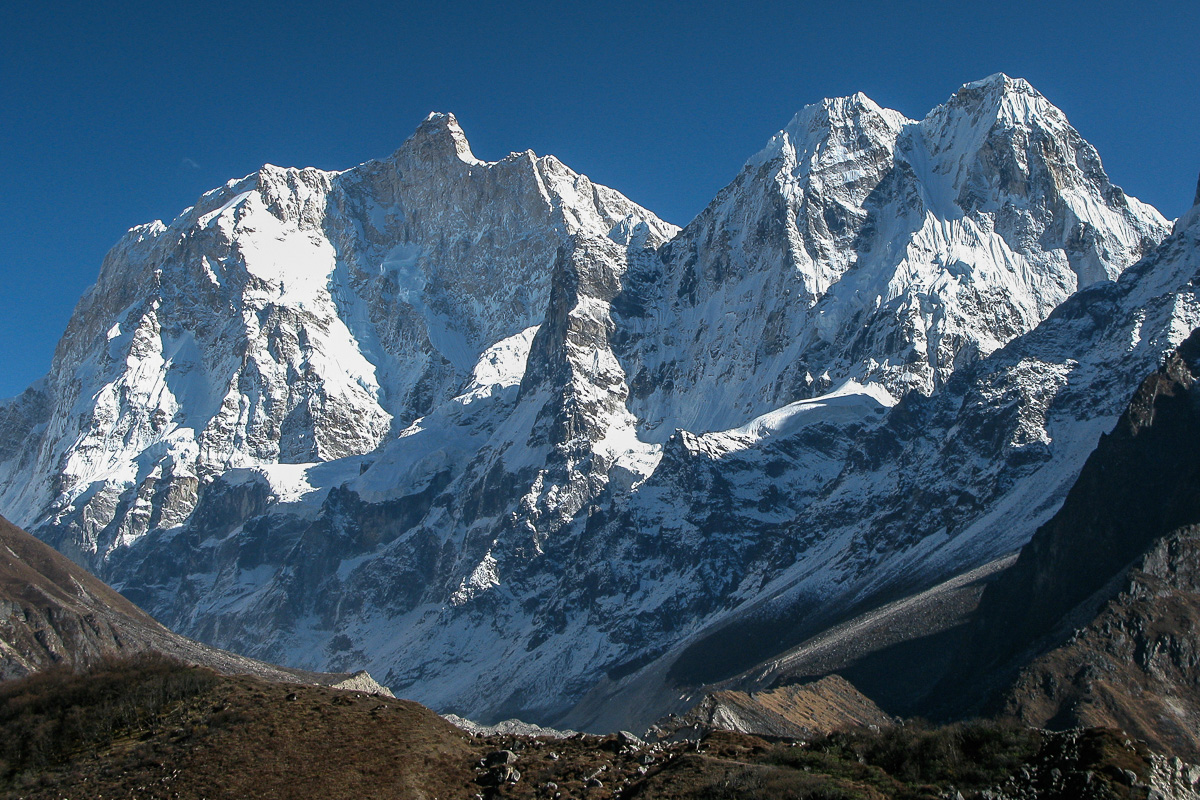
Jannu and Sobithongie from Kambachen
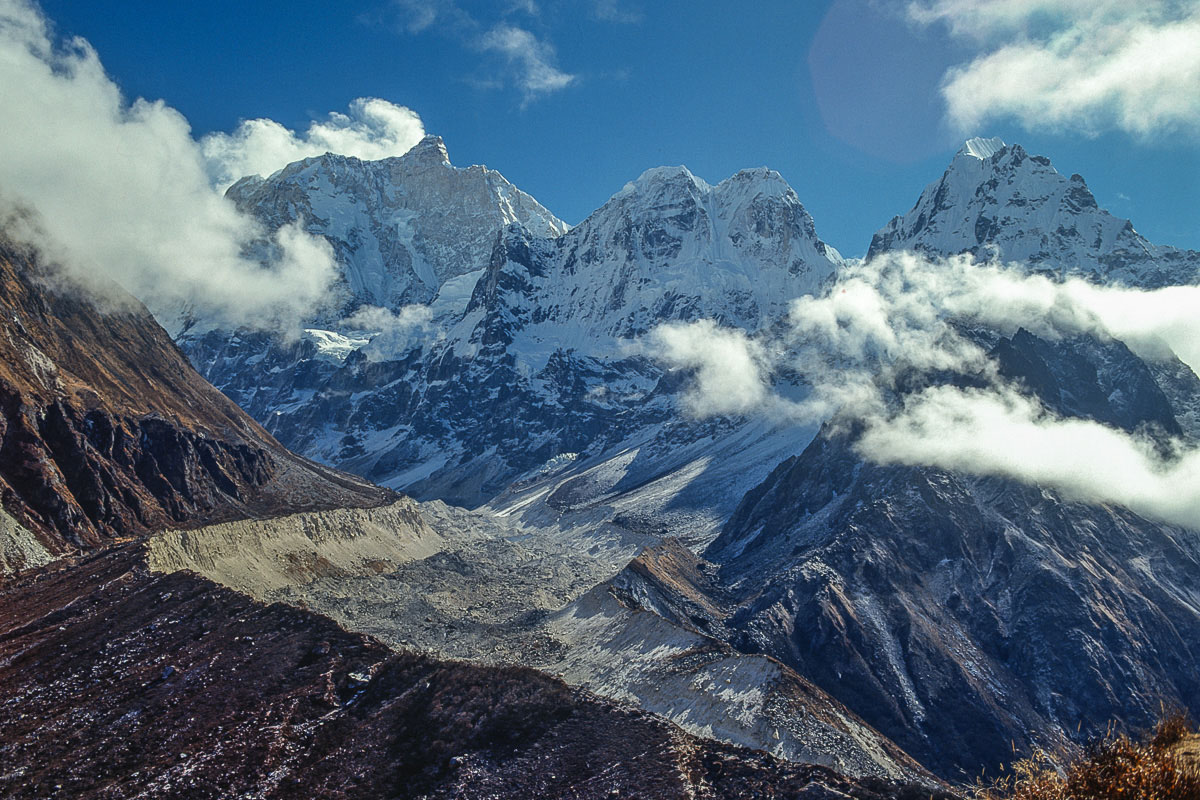
Jannu and Sobithongie from Kambachen
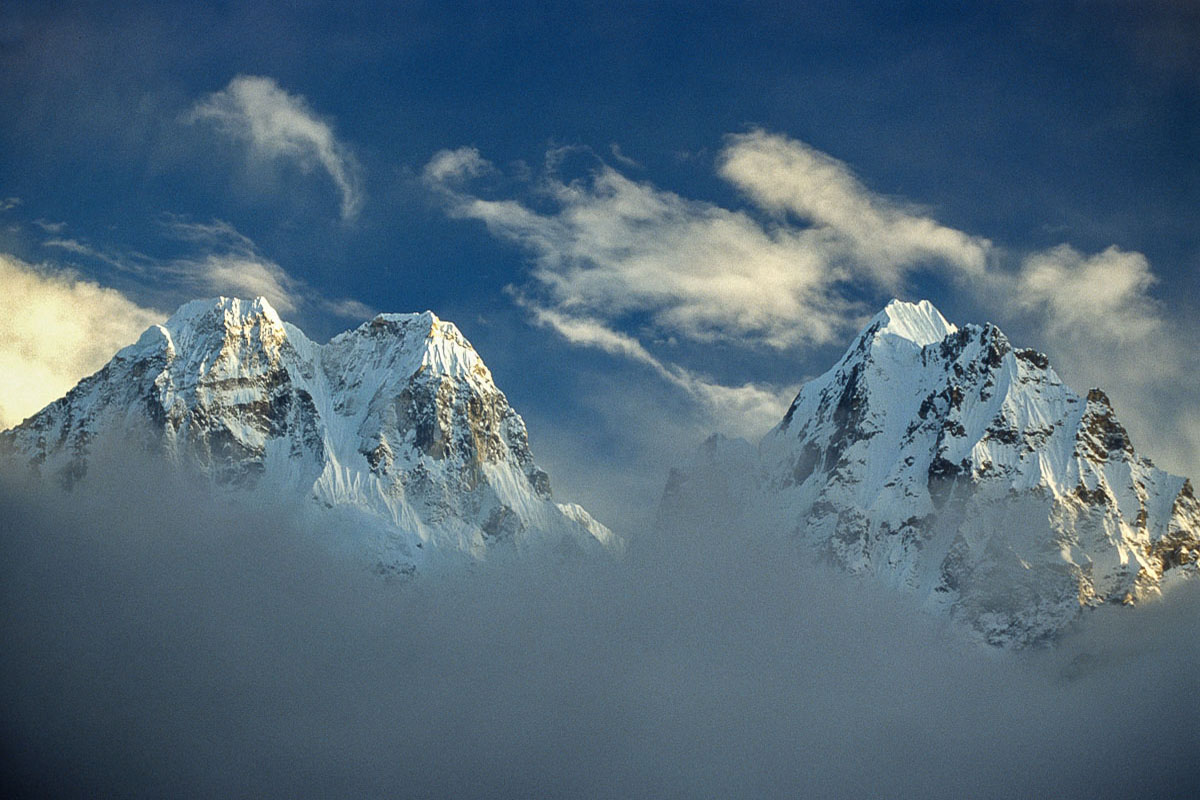
Sobithongie and Phole from Kambachen
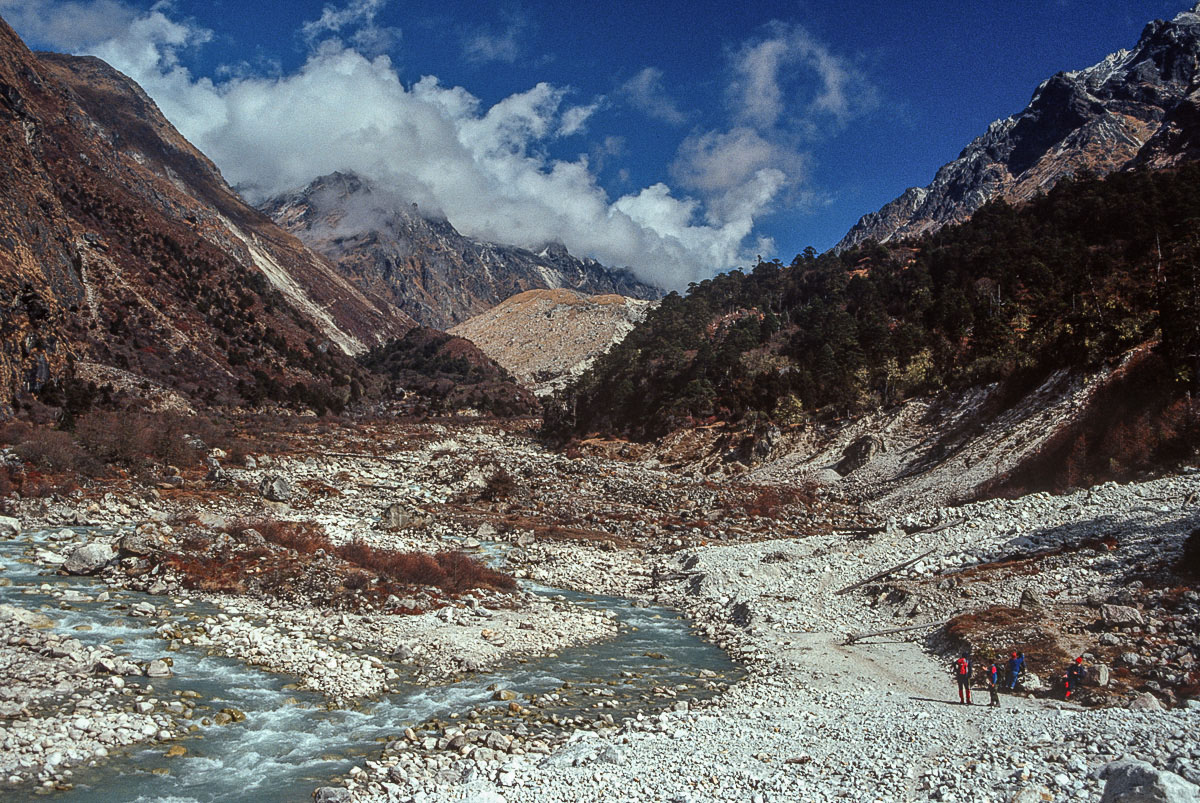
The Ghunsa Valley
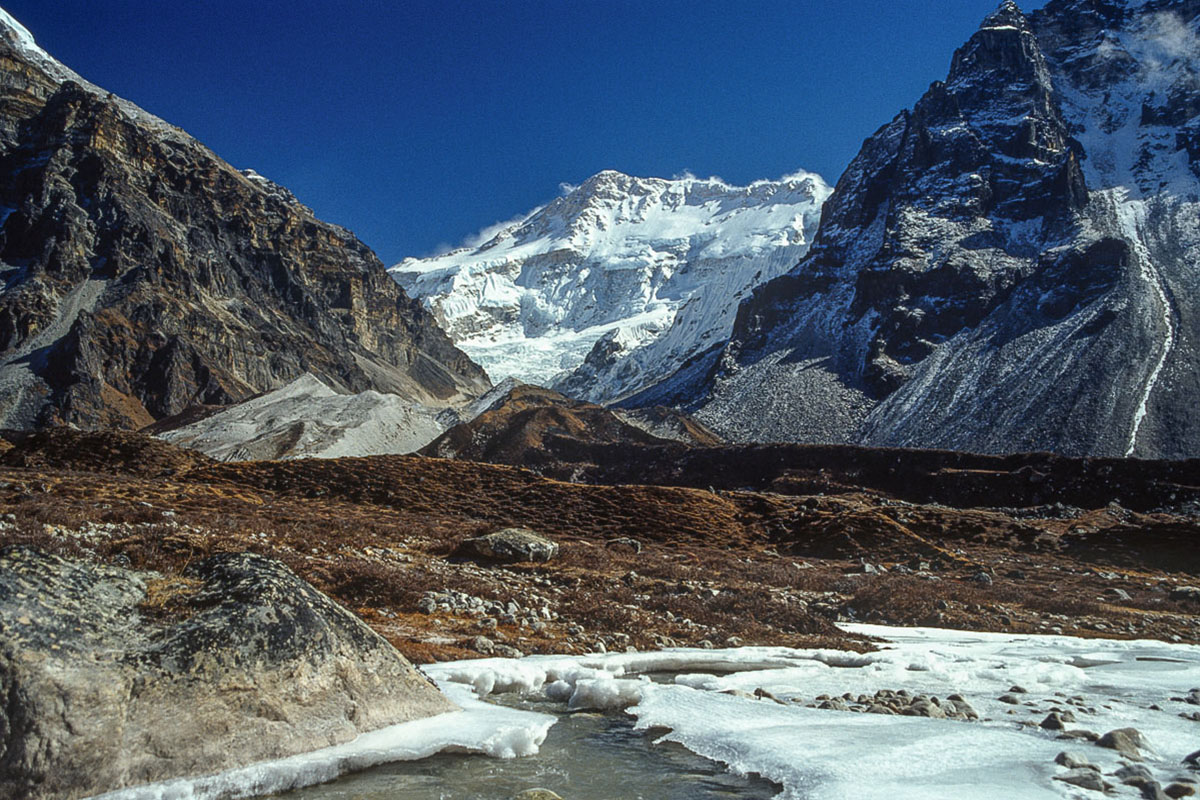
Kambachen peak from Ramtang
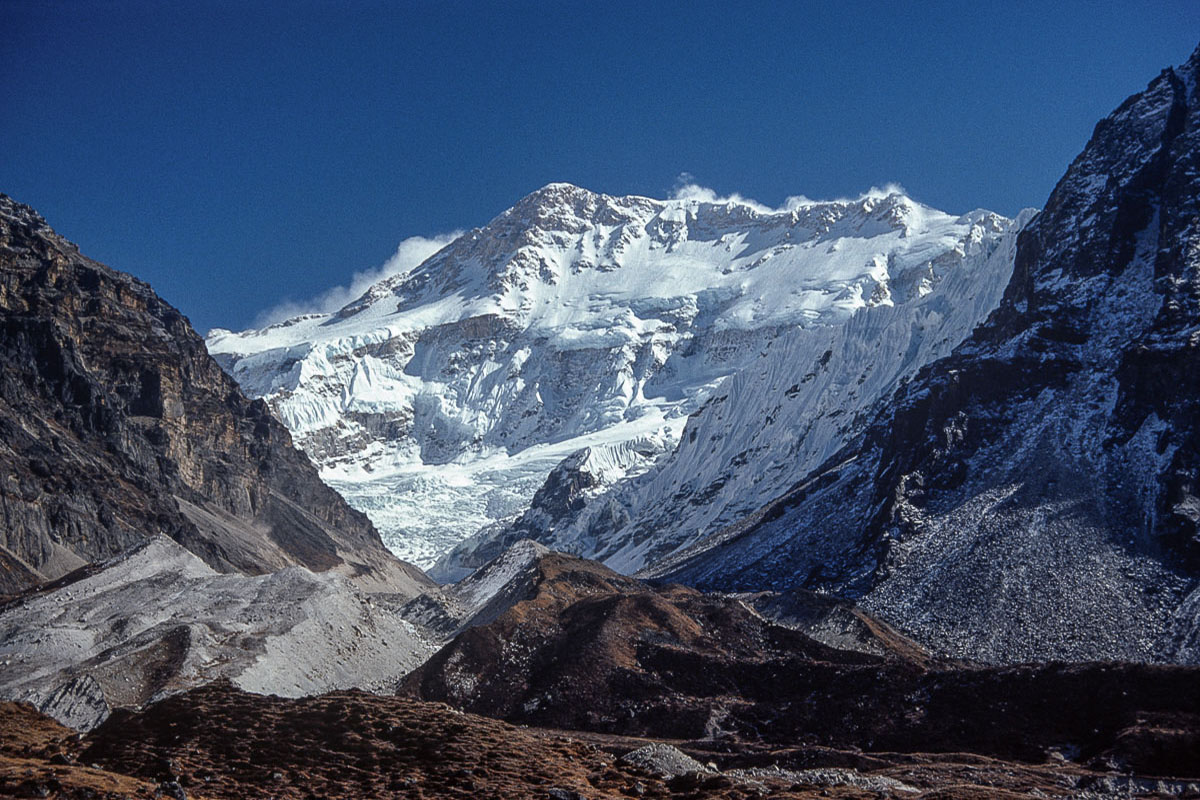
Kambachen peak from Ramtang
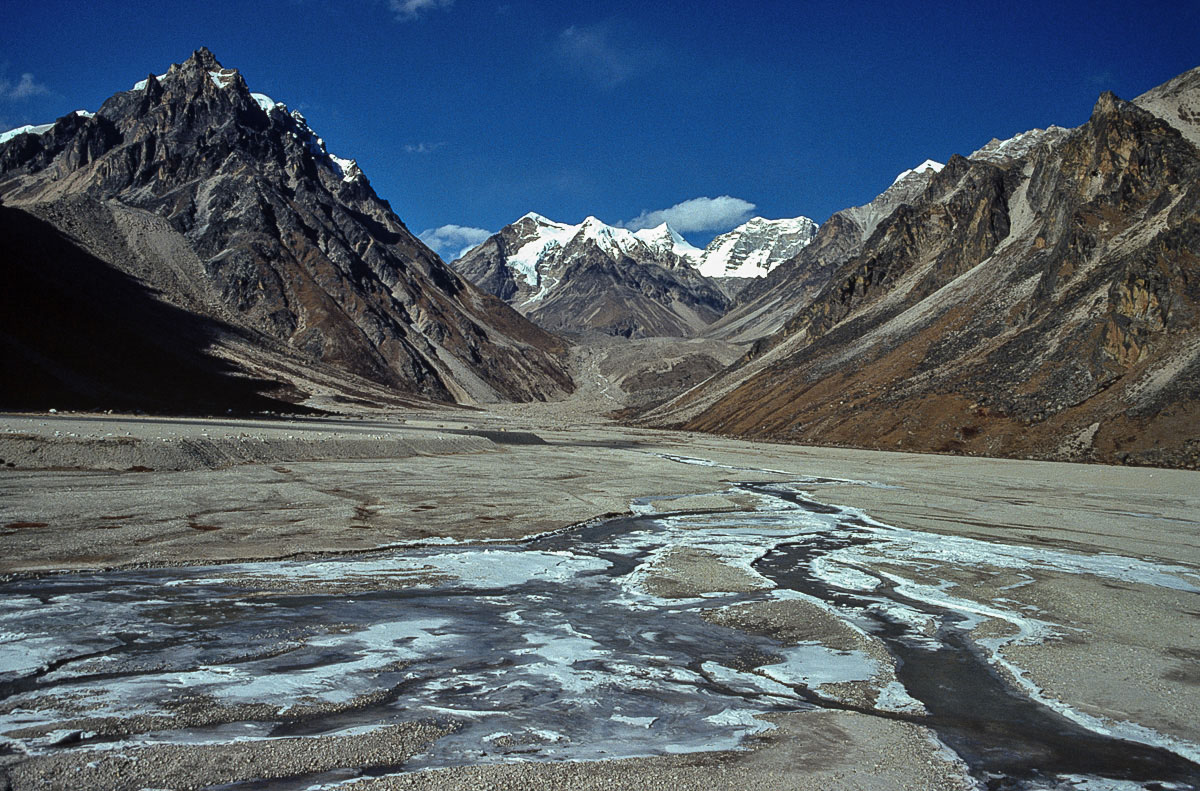
Lhonak
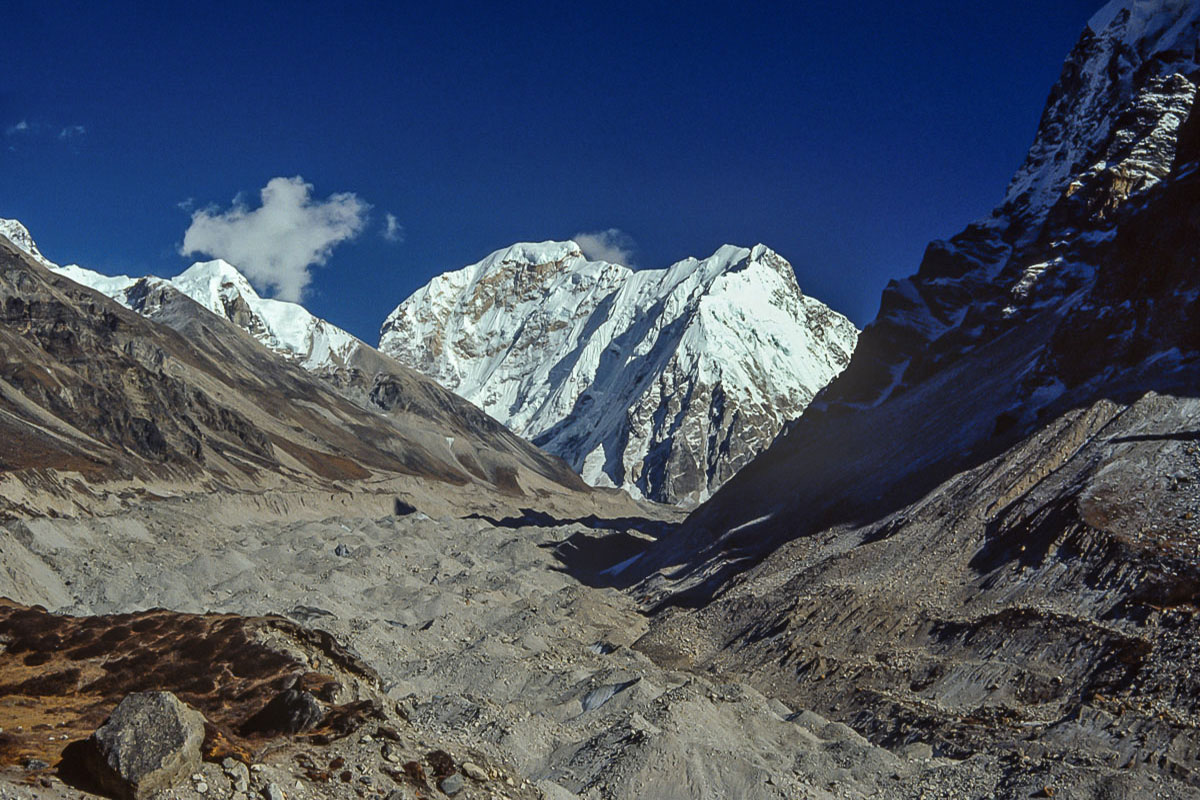
Nepal Peak from Lhonak
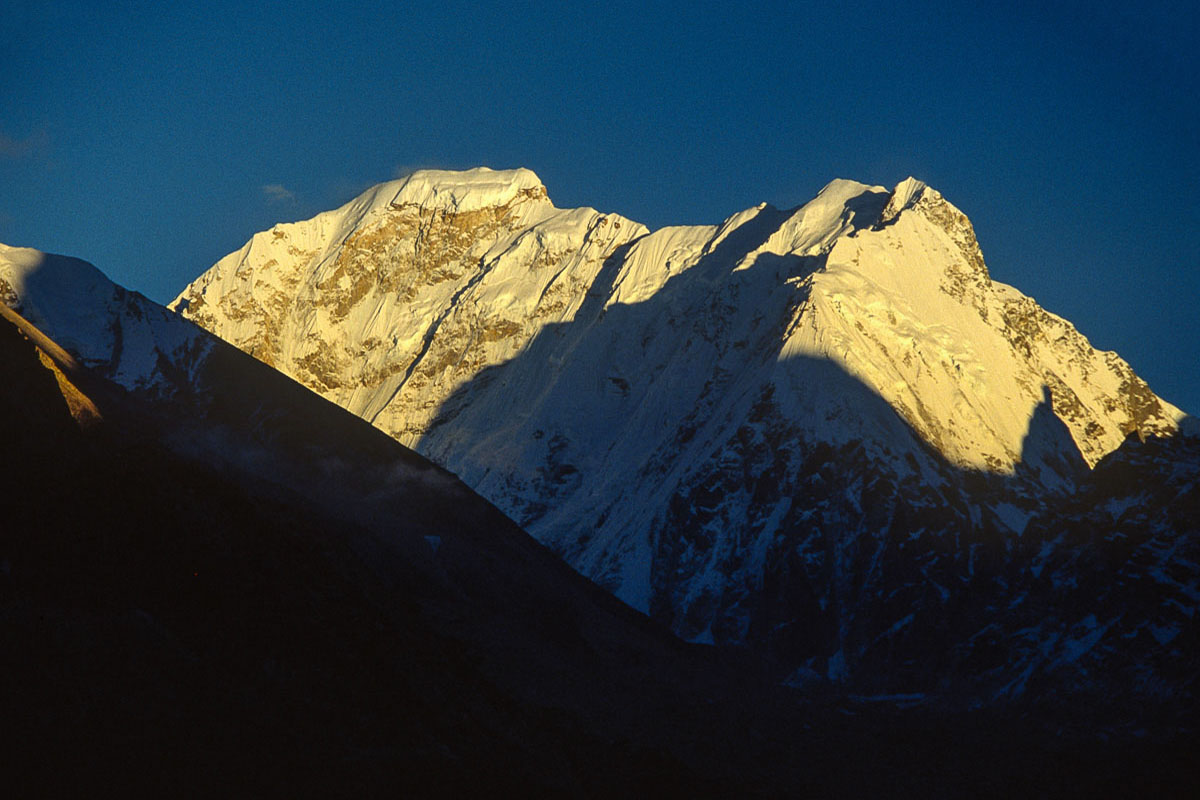
Sunset on Nepal Peak from Lhonak
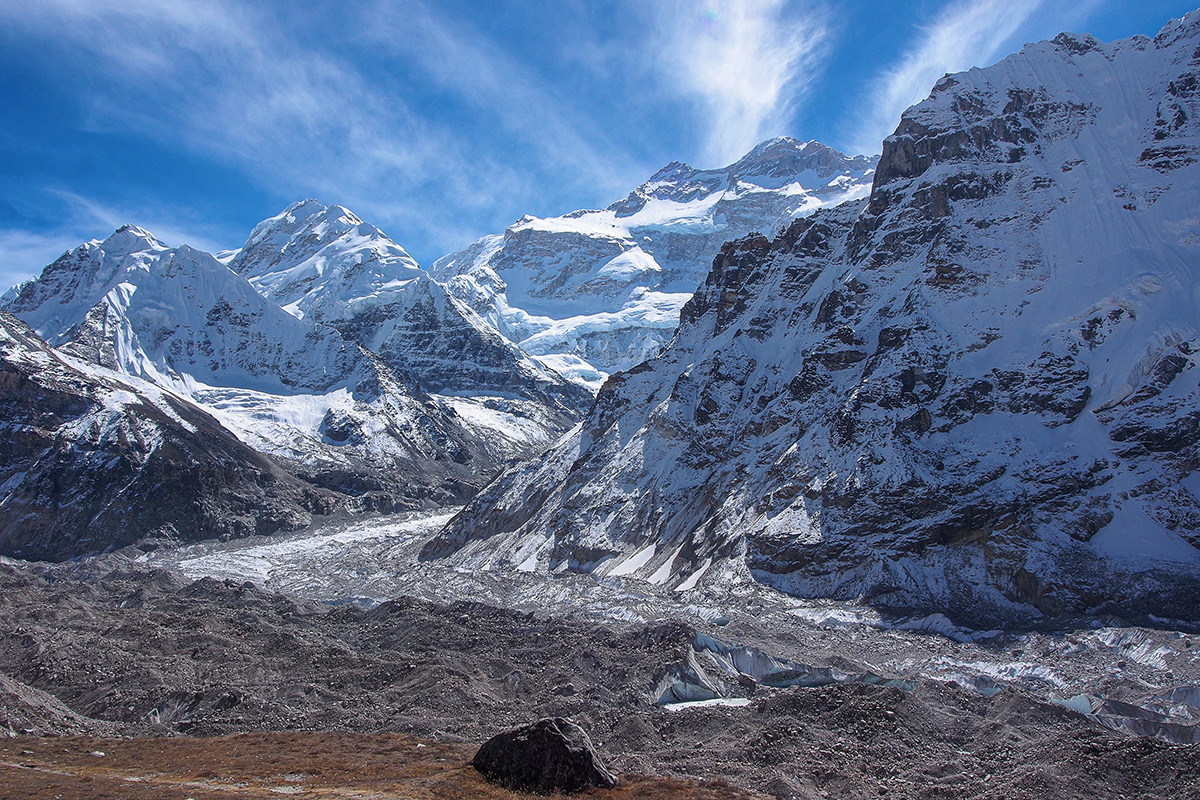
Kangchenjunga from Pangpema
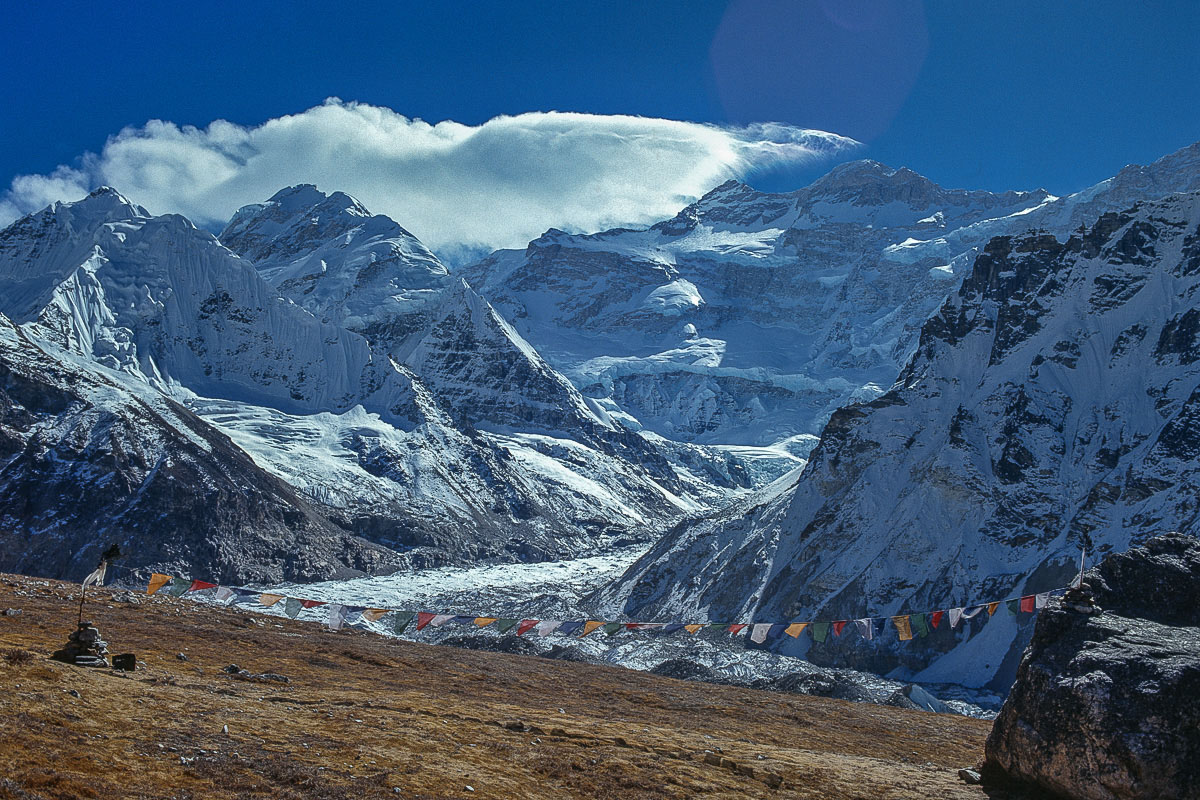
Kangchenjunga from Pangpema
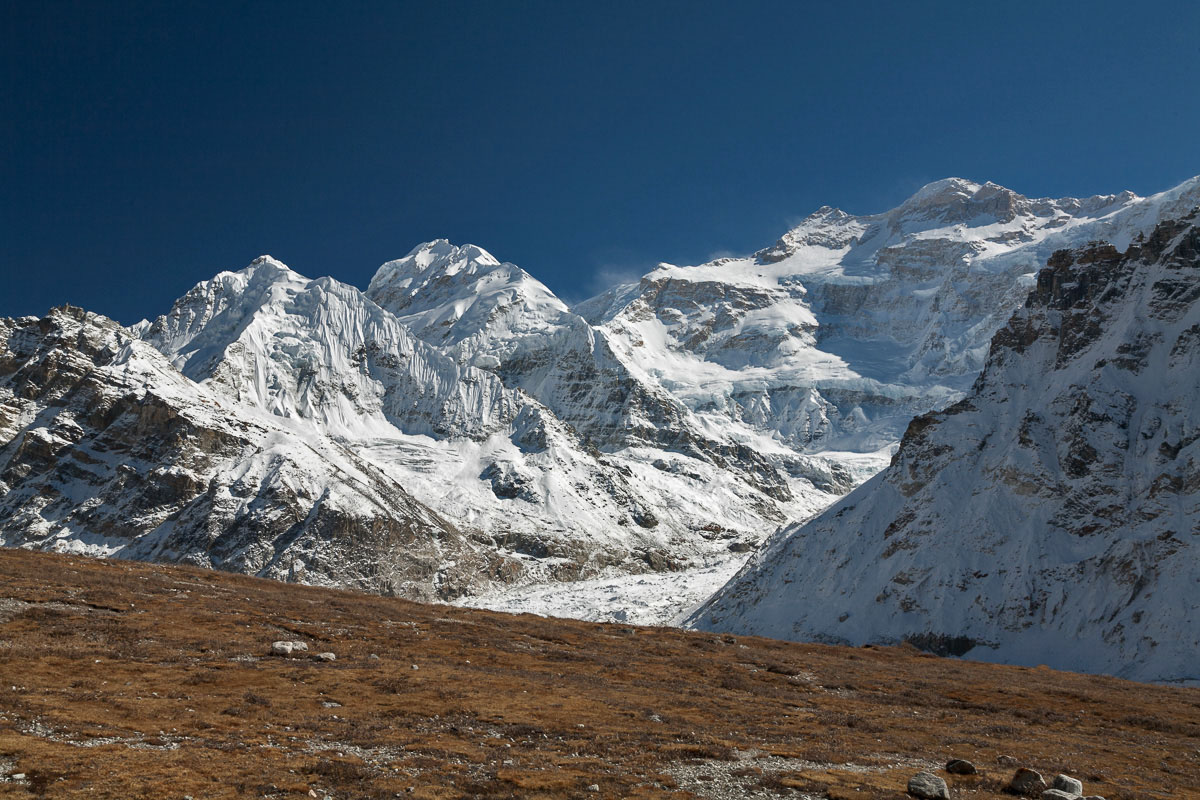
Kangchenjunga from Pangpema
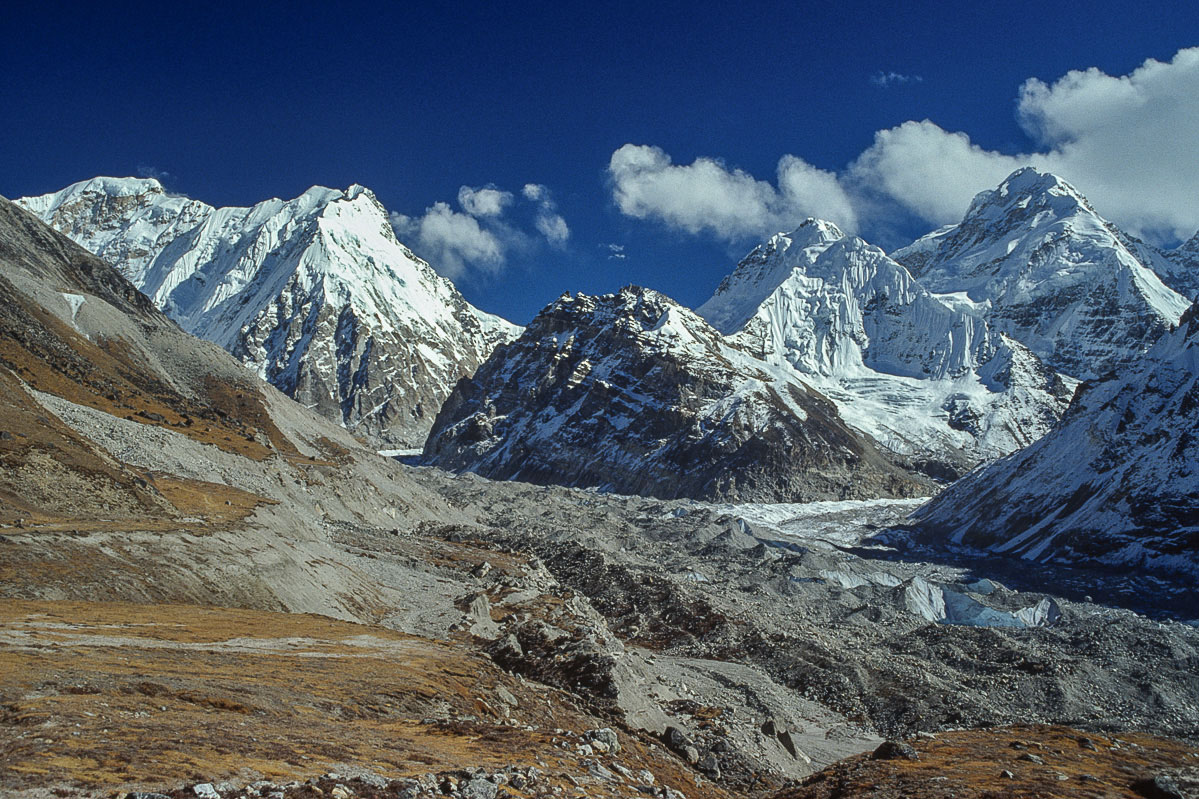
Nepal Peak and 'The Twins' Peak
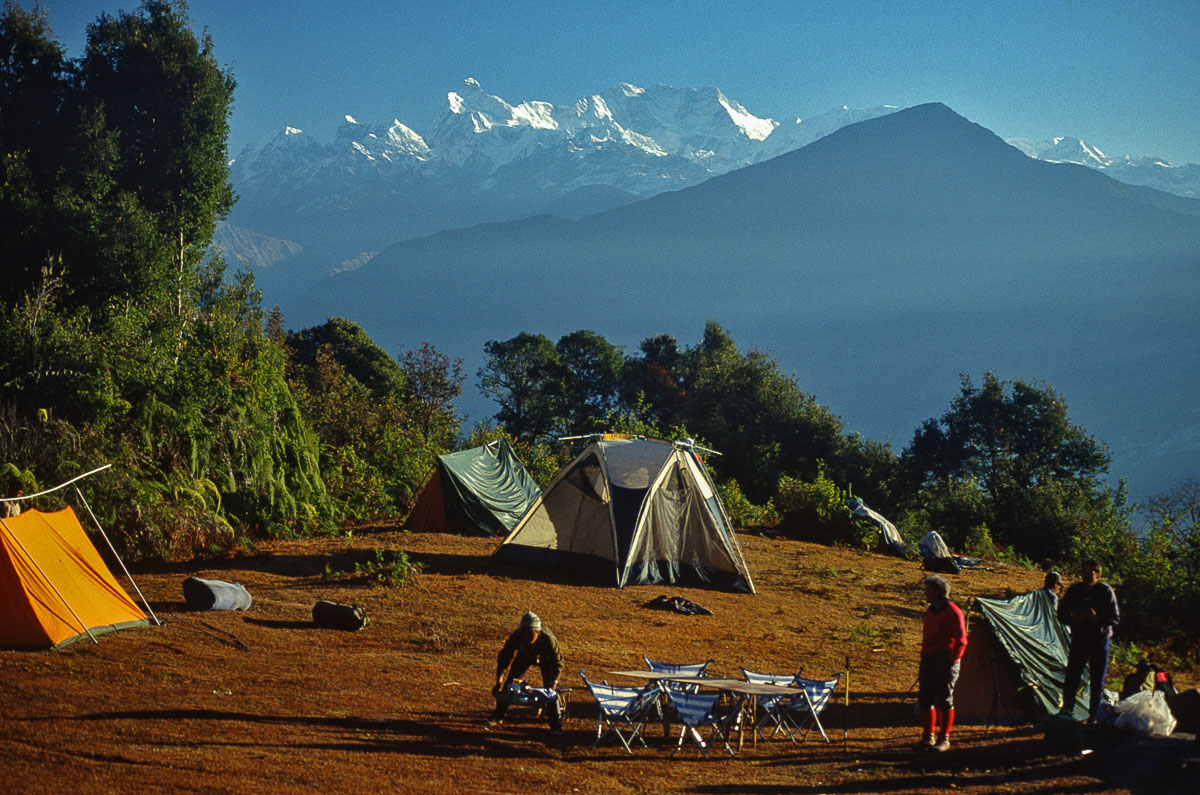
Kangchenjunga from above Dobhan
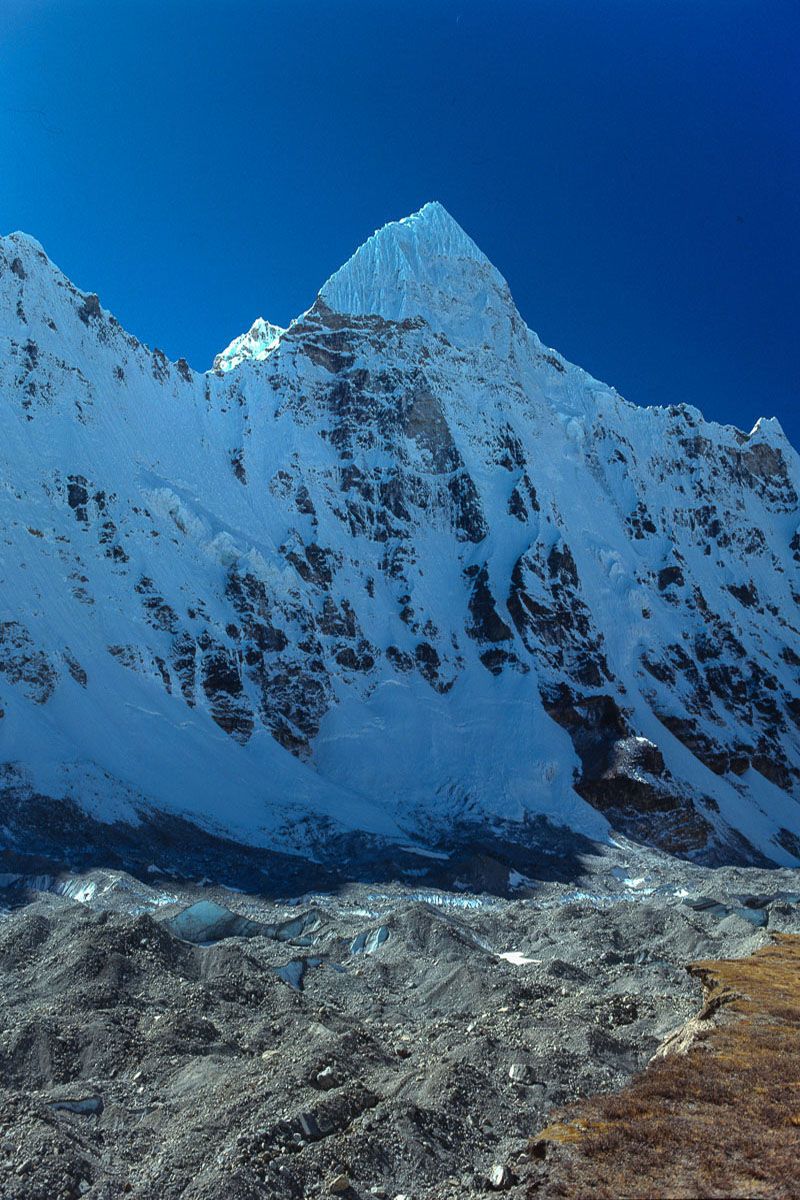
Wedge Peak from Pangpema
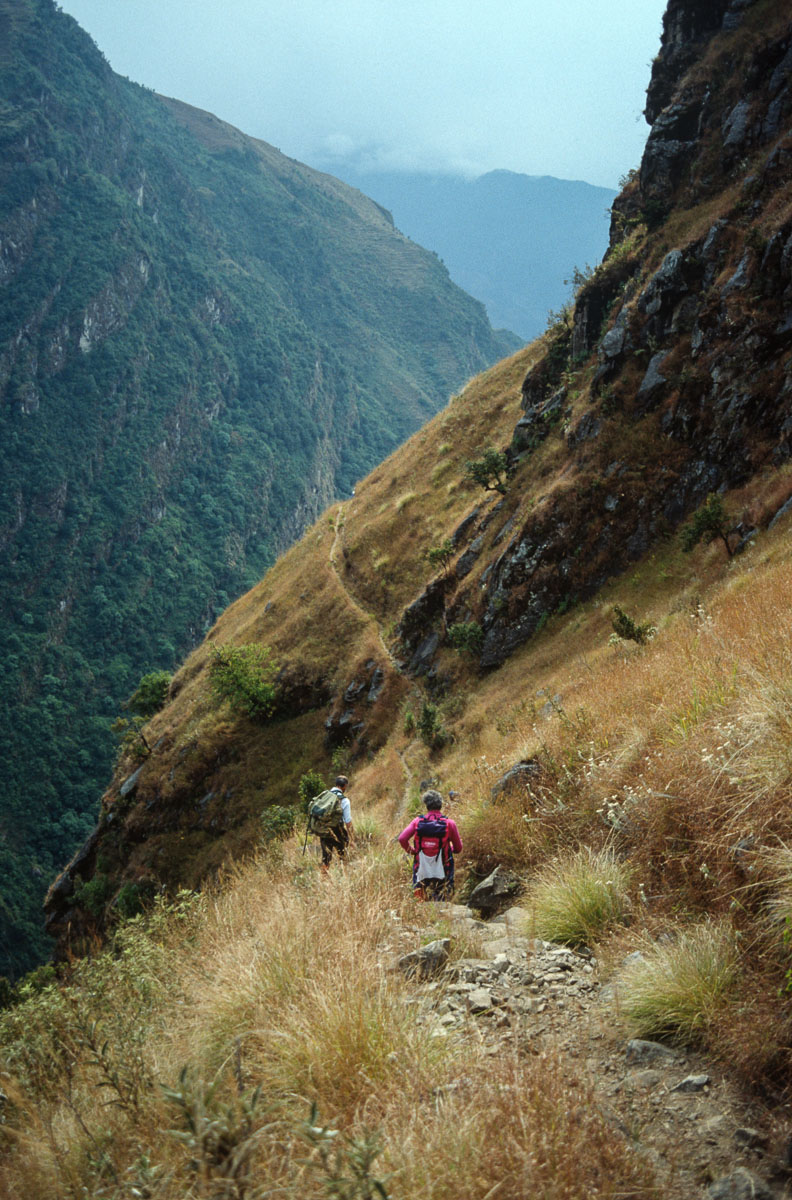
The Ghunsa Valley at Amjilassa
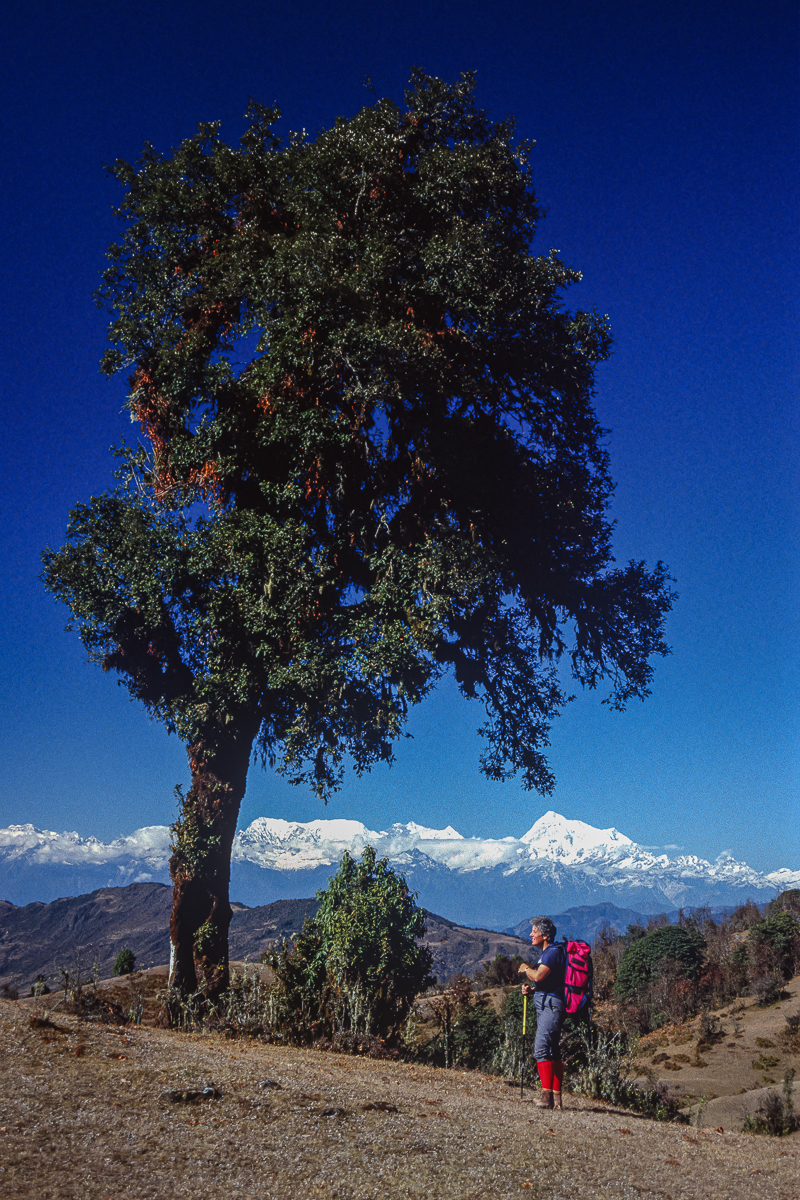
Makalu from the Milke Danda Ridge
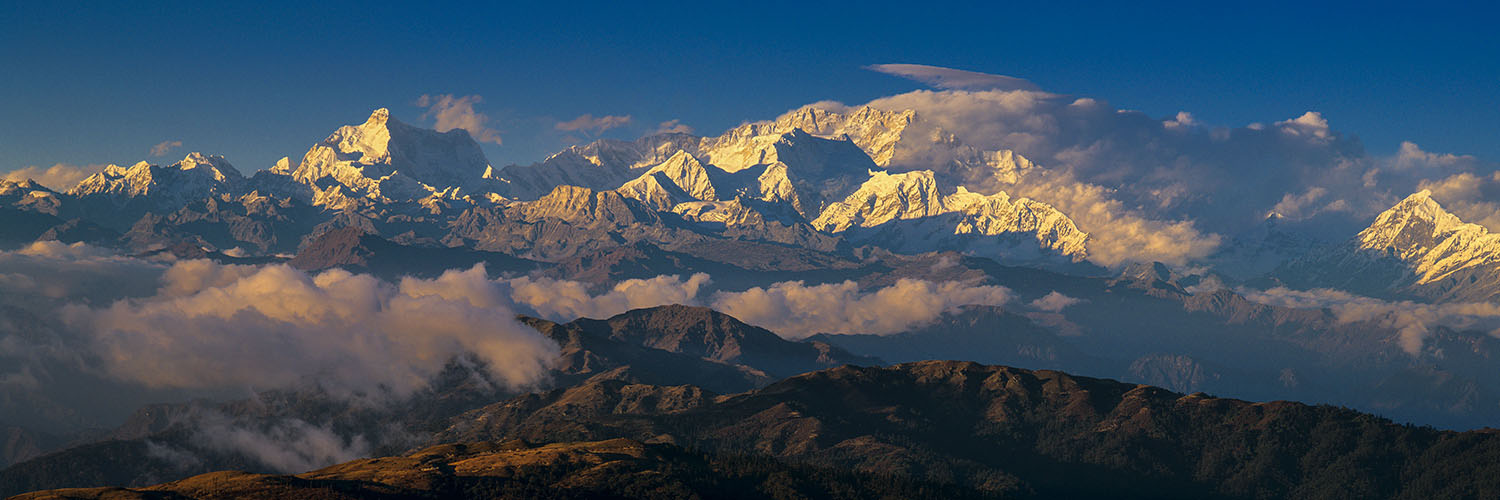
Kangchenjunga Sunset from the Singalila Ridge
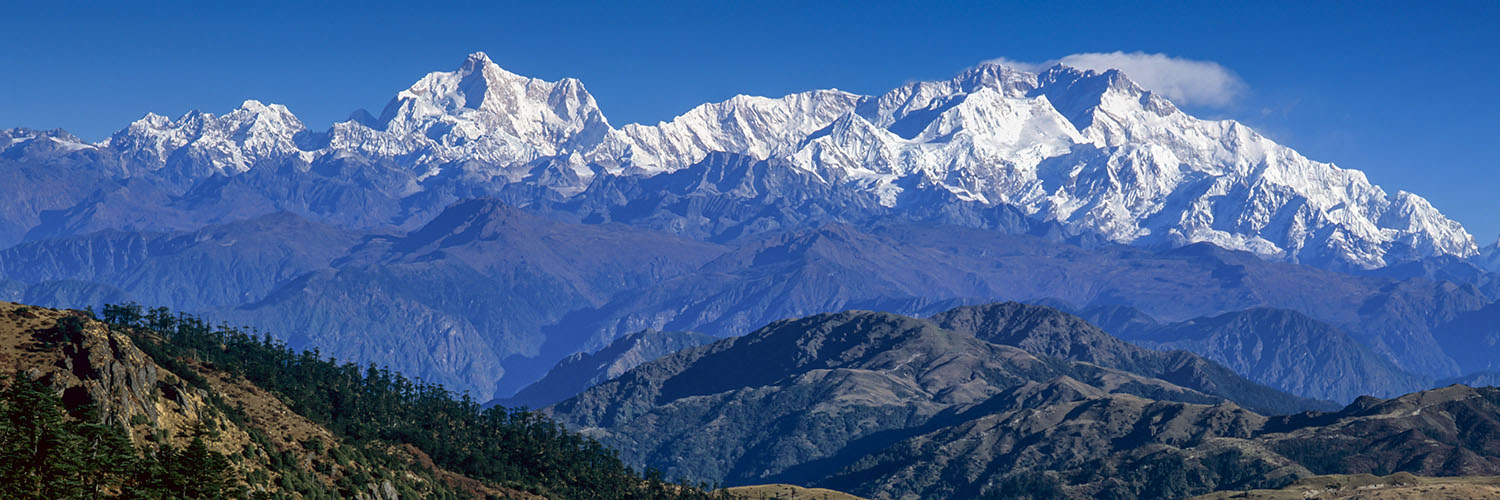
Kangchenjunga from the Singalila Ridge
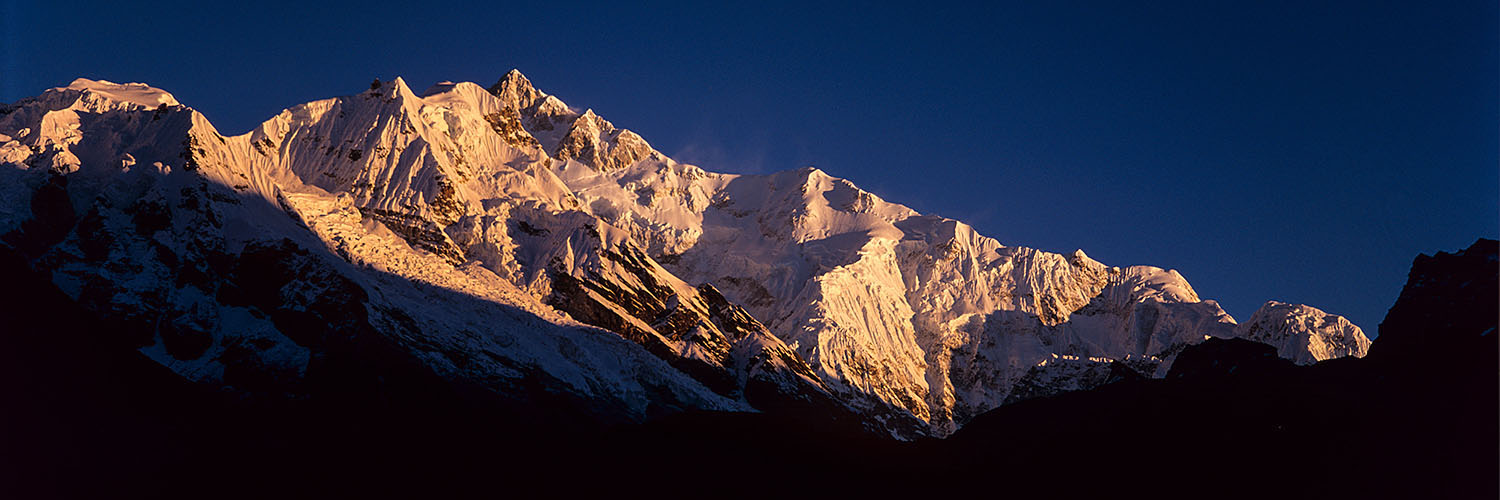
Kangchenjunga Sunrise
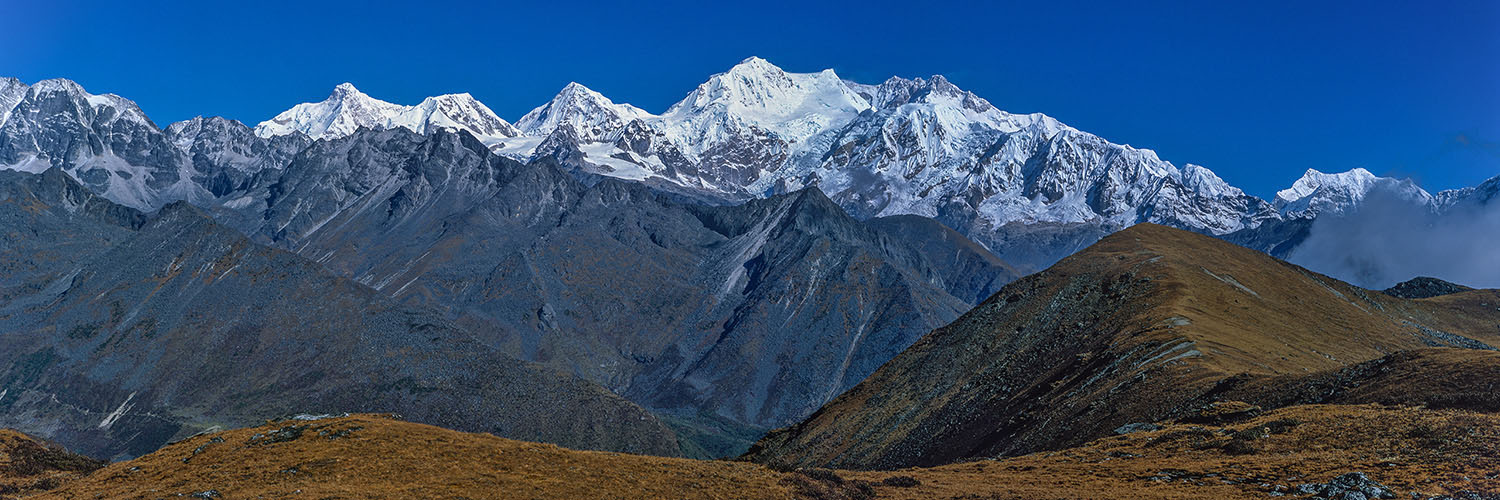
Kangchenjunga from Sikkim
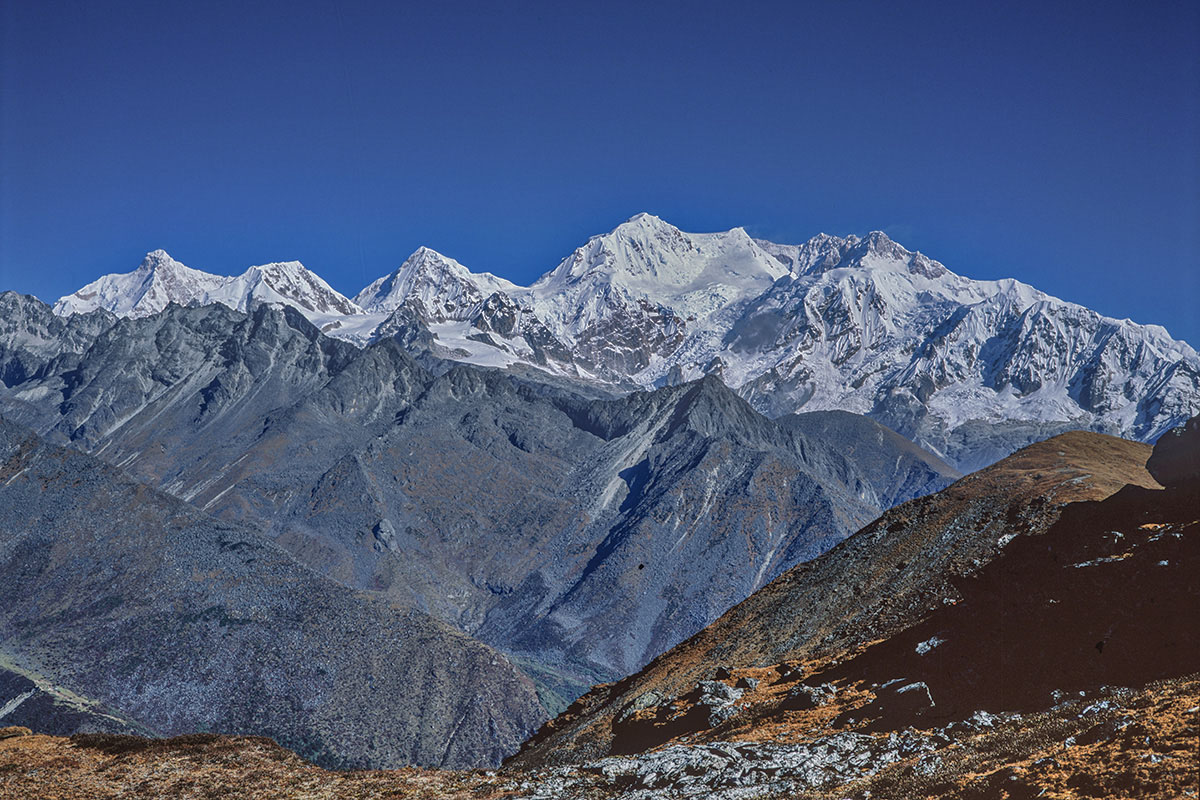
Kangchenjunga from the Daphe-Bir Pass Sikkim
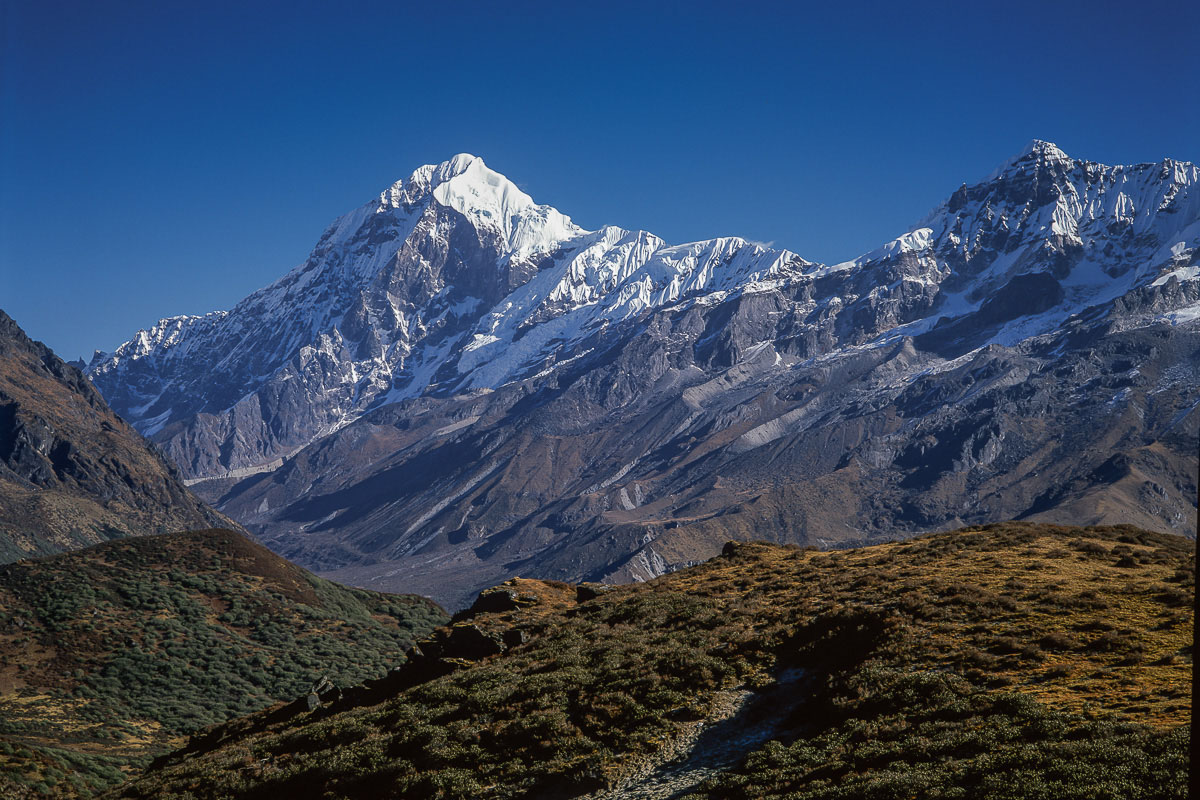
Pandim Peak from Dzongla, Sikkim
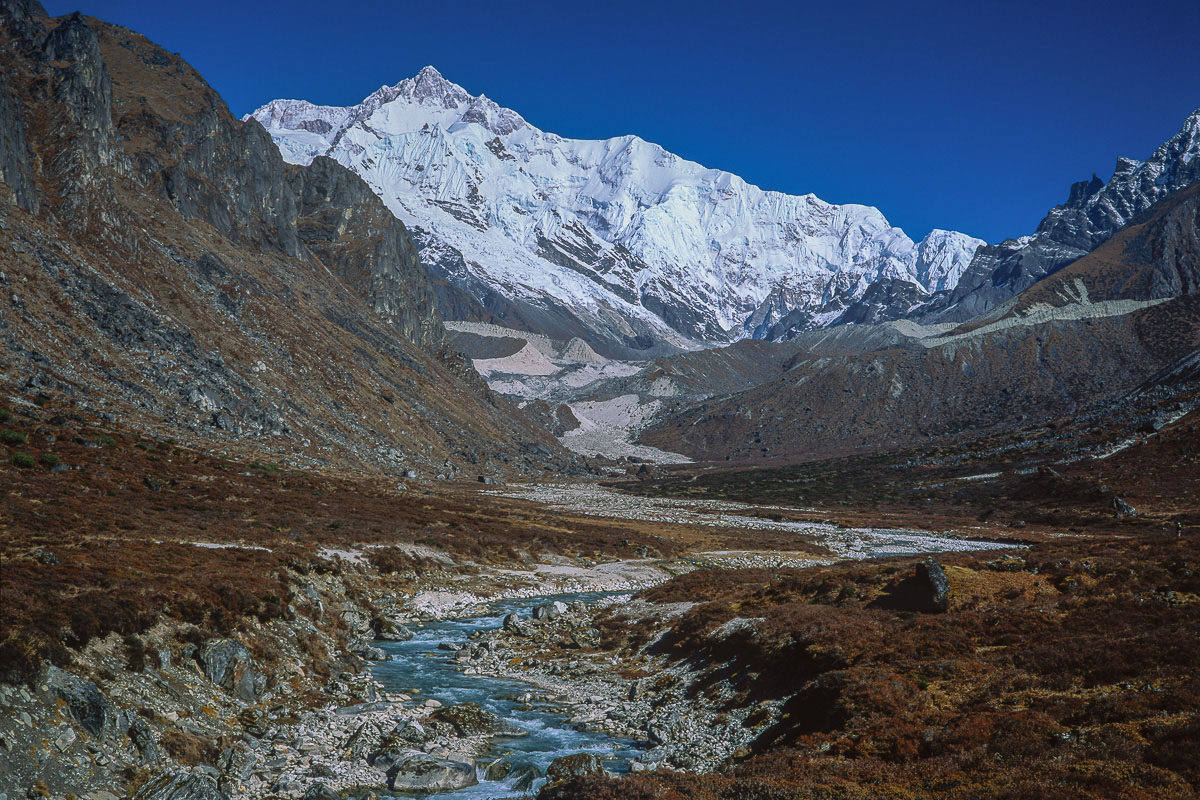
Yalung Kang from the Prek Chhu